How Vinyl Siding Updates Increase Home Value and Efficiency

180 Contractors • May 22, 2025
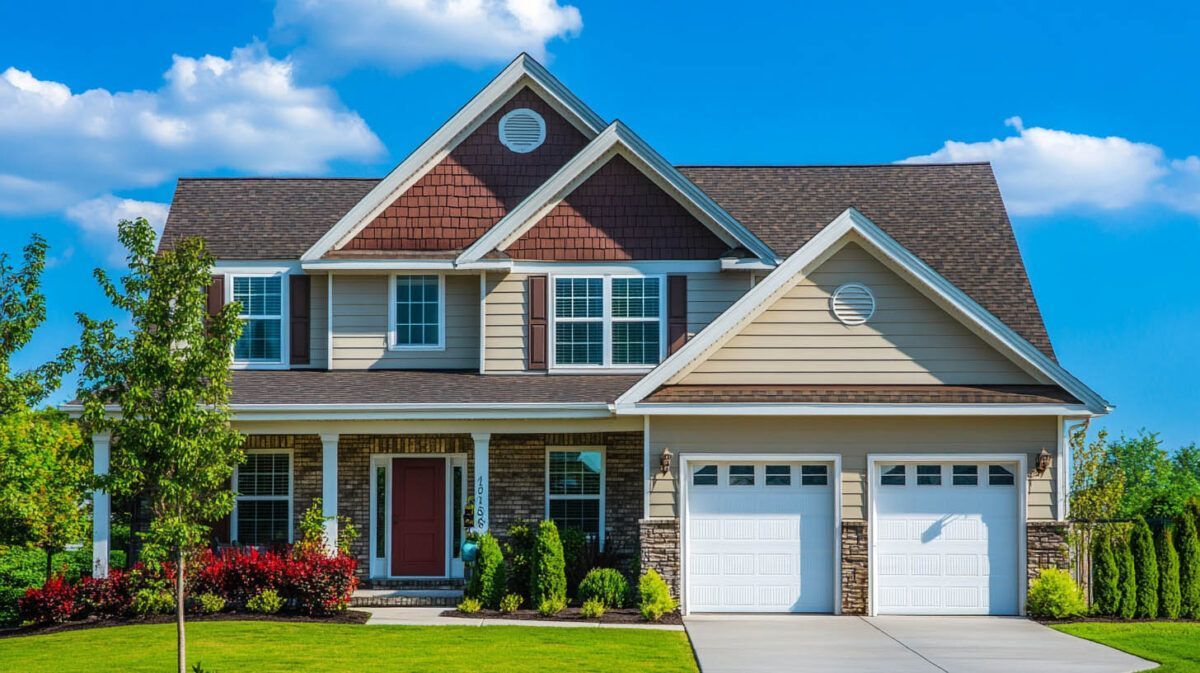
Suburban two-story house with red brick and beige siding, white garage doors, and a green lawn

The Lasting Benefits of Vinyl Siding Upgrades

Vinyl siding is a cost-effective and low-maintenance way to improve a home’s exterior, enhance energy efficiency, and increase resale value. Homeowners looking for a long-term investment in their property will find that modern vinyl siding provides durability, insulation benefits, and curb appeal without the ongoing maintenance required by wood or aluminum siding.


Longevity of Vinyl Siding

A properly installed vinyl siding system can last 60 to 100 years, according to the National Association of Home Builders (NAHB) and the International Association of Certified Home Inspectors (InterNACHI). This exceptional lifespan makes vinyl siding one of the most durable and cost-effective exterior upgrades for homeowners. Unlike wood, which is susceptible to rot, pests, and weathering, vinyl siding retains its appearance and performance for decades with minimal upkeep.


Factors That Extend Vinyl Siding Lifespan

  1. Professional Installation: Proper siding installation ensures panels are securely fastened and able to expand and contract with temperature fluctuations.
  2. High-Quality Materials: Thicker, impact-resistant vinyl siding lasts longer and withstands extreme weather conditions.
  3. Routine Maintenance: Simple cleaning with a garden hose and mild detergent helps remove dirt and mildew, keeping the siding looking new.


Enhanced Energy Efficiency with Insulated Vinyl Siding

Replacing old siding is an opportunity to improve a home’s energy efficiency. Installing rigid foam insulation beneath the siding increases the home’s R-value, a measure of thermal resistance. Higher R-values mean better insulation, resulting in lower heating and cooling costs.


The Role of House Wrap in Energy Savings

A house wrap acts as an additional protective barrier beneath vinyl siding, preventing drafts and moisture infiltration. This improves:

  • Indoor comfort by reducing temperature fluctuations
  • Energy efficiency by limiting heat loss in winter and heat gain in summer
  • Protection against mold and water damage


Return on Investment (ROI) for Vinyl Siding Upgrades

Increased Home Resale Value

According to Remodeling Magazine’s Cost vs. Value Report, a vinyl siding replacement project recoups 78% of its cost upon resale. This return on investment (ROI) is higher in neighborhoods where curb appeal plays a significant role in home valuations.


Aesthetic Appeal and Market Competitiveness

Vinyl siding is available in a variety of colors, textures, and styles, including designer shake siding that mimics the look of cedar without the high maintenance costs. Homes with updated siding stand out in the market, attracting buyers and increasing property values.


Low Maintenance and Long-Term Cost Savings

Vinyl siding eliminates the need for painting, caulking, and sealing, unlike wood and aluminum options that require frequent upkeep. With resistance to moisture, pests, and fading, homeowners save thousands of dollars on maintenance over the years.


Advantages Over Other Siding Materials

Feature Vinyl Siding Wood Siding Aluminum Siding
Lifespan 60-100 years 20-40 years 30-50 years
Maintenance Low High Medium
Energy Efficiency High with insulation Moderate Moderate
Weather Resistance Excellent Prone to rot and pests Prone to dents and corrosion
Cost Affordable Expensive Moderate

Choosing the Right Vinyl Siding for Your Home

Color and Style Options

Vinyl siding comes in a wide range of colors, from neutral earth tones to bold, modern hues. Advances in manufacturing ensure that colors remain vibrant for decades without fading. Textured finishes, such as wood grain or shake-style panels, provide an upscale appearance without the maintenance drawbacks of traditional materials.


Thickness and Durability

  • Standard-grade vinyl siding (0.040 inches thick) is cost-effective but may not withstand extreme weather.
  • Premium vinyl siding (0.046 inches or thicker) offers greater impact resistance and longevity.
  • Insulated vinyl siding adds a layer of foam insulation for improved energy efficiency and soundproofing.


Certified Installation by Trusted Professionals

Proper installation is key to maximizing the benefits of vinyl siding. 180 Contractors Roofing & Siding, located in Rochester Hills, MI, has earned recognition for exceptional workmanship and customer satisfaction.


Our certifications include:

  • BBB A+ accredited
  • Guildmaster (GuildQuality) Award
  • INC 5000
  • Google Guaranteed
  • Qualified Remodeler Top 100 Satisfaction


We work with leading brands such as James Hardie, Alside, and Everlast, ensuring homeowners receive top-tier siding solutions built for long-term performance.


Conclusion

Vinyl siding is one of the best investments homeowners can make, offering durability, energy efficiency, and a high return on investment. With its long lifespan, low maintenance requirements, and ability to enhance curb appeal, vinyl siding remains a top choice for exterior home upgrades. Choosing a professional contractor ensures a seamless installation that maximizes the benefits of this cost-effective home improvement.


Frequently Asked Questions

1. How often does vinyl siding need to be replaced?

With proper maintenance, high-quality vinyl siding can last 60 to 100 years, making it one of the most durable exterior options available.


2. Does vinyl siding fade over time?

Modern vinyl siding is manufactured with UV-resistant coatings that prevent fading, ensuring colors remain vibrant for decades.


3. Can vinyl siding improve my home’s insulation?

Yes, insulated vinyl siding adds a layer of thermal protection, reducing heat loss in winter and keeping interiors cooler in summer.


4. How much does vinyl siding installation cost?

Costs vary depending on siding quality, insulation type, and labor rates, but vinyl remains one of the most affordable siding options.


5. Is vinyl siding environmentally friendly?

Vinyl siding is a sustainable choice due to its long lifespan, recyclability, and ability to improve a home’s energy efficiency.


Read also our blog: Essential Questions and Tips for Hiring a Siding Contractor
GET A FREE QUOTE

Share this article

Recent Posts

Aerial view of a large blue-gray house with dormer windows and a landscaped yard in autumn
By 180 Contractors May 14, 2026
Your roof works silently year after year, shielding your home from rain, wind, sun, and snow. But like every part of your home, it doesn’t last forever. The key is knowing when repair is no longer enough—and a full roof replacement is the smarter, safer move. For homeowners in Bloomfield Hills, MI, where intense season
Rainwater pouring from a house roof and gutter during a storm
By 180 Contractors April 13, 2026
Michigan weather can be tough on homes, especially when it comes to your roof. From heavy snow in the winter to strong thunderstorms in the summer, each season brings conditions that can wear down roofing materials over time. Knowing how these storms affect your roof can help you catch problems early and avoid more ser
Snow piled on a dark shingled roof, with scattered patches of snow across the surface.
By 180 Contractors March 3, 2026
If you’ve lived through a Michigan winter, you know your roof takes a beating. Between heavy snowfall, freezing rain, fluctuating temperatures, and strong winds, winter weather can quietly wear down even a well-built roofing system. By the time spring arrives, many homeowners are surprised to learn that damage has alre