Is James Hardie Siding Worth the Investment?

180 Contractors • July 3, 2025
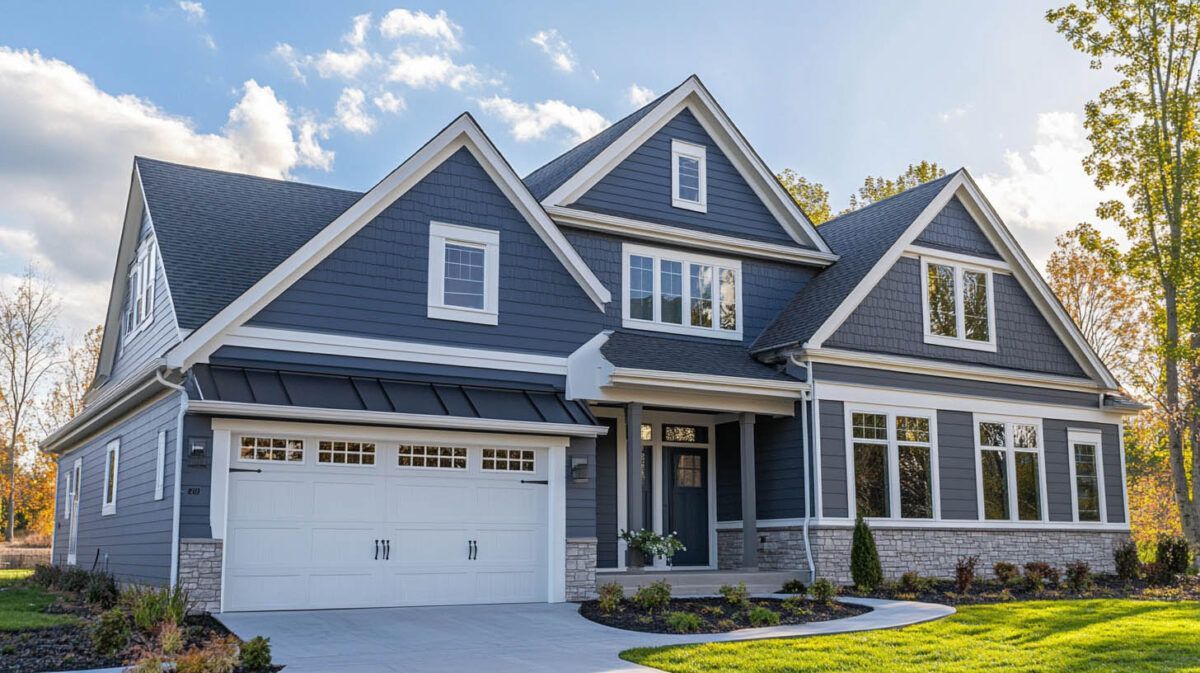
Gray suburban house with white trim, dormer windows, a two-car garage, and a front porch

Introduction

Choosing the right siding for a home involves balancing cost, durability, aesthetics, and long-term value. James Hardie siding, made from fiber cement, stands out as a premium choice known for its longevity, resilience, and curb appeal. While it is more expensive than traditional vinyl siding, its benefits often outweigh the initial investment, making it a preferred choice for homeowners seeking high-performance exterior solutions.


What Makes James Hardie Siding Stand Out?

1. Industry-Leading Warranty

James Hardie siding comes with a 30-year limited transferable warranty, one of the best in the industry. This comprehensive coverage ensures that homeowners receive protection against defects, giving them peace of mind. Unlike wood siding, which requires frequent upkeep, James Hardie siding maintains its integrity with minimal maintenance.


2. Superior Durability and Weather Resistance

James Hardie fiber cement siding is specifically designed to withstand harsh weather conditions, including:

  • Heavy rain and snow – Resists moisture damage, preventing warping and swelling.
  • Strong winds – Withstands extreme wind conditions better than vinyl or wood.
  • Temperature fluctuations – Maintains stability in both hot and cold climates.


Unlike wood, which can rot, or vinyl, which may crack in freezing temperatures, fiber cement siding maintains its structure and appearance for decades.


3. Low Maintenance Requirements

James Hardie siding requires significantly less maintenance than wood siding, which needs frequent staining or repainting. Homeowners only need to clean it once or twice a year using mild soap and water. The ColorPlus® Technology used in James Hardie siding ensures that the color lasts longer, reducing the need for frequent repainting.


4. Exceptional Curb Appeal

A home’s exterior greatly influences its resale value, and James Hardie siding provides a natural wood-like appearance with a variety of colors and textures. Homeowners frequently receive compliments from neighbors and visitors due to the siding’s high-end aesthetic. Its authentic look makes it a popular choice for both modern and traditional architectural styles.


5. Storm and Fire Resistance

James Hardie siding is designed to be fire-resistant and non-combustible, unlike vinyl, which can melt, or wood, which is highly flammable. Additionally, homes in storm-prone regions benefit from James Hardie siding’s ability to withstand hurricane-force winds. In many post-storm cases, homes with Hardie siding remain standing while others sustain significant damage.


6. Pest and Rot Resistance

Wood siding attracts termites, carpenter ants, and other pests that can cause structural damage. James Hardie fiber cement siding is resistant to insects and rodents, ensuring that homes remain protected against infestations. It also does not rot or develop mold like traditional wood siding, making it a long-lasting solution.


Comparing James Hardie Siding to Other Materials

Feature James Hardie Fiber Cement Vinyl Siding Wood Siding
Durability 50+ years 20-30 years 15-40 years
Maintenance Low Low High
Weather Resistance High Moderate Low
Fire Resistance Non-combustible Low Low
Pest Resistance High Moderate Low
Aesthetic Appeal High (wood-like finish) Moderate High
Cost Higher upfront Low High (due to upkeep)

Customization Options for James Hardie Siding

1. Variety of Textures and Styles

James Hardie offers a range of siding styles, allowing homeowners to choose the perfect design for their home:

  • HardiePlank® Lap Siding – Traditional and versatile, mimicking classic wood planks.
  • HardieShingle® Siding – Resembles cedar shingles, ideal for Cape Cod and cottage-style homes.
  • HardiePanel® Vertical Siding – Provides a contemporary or rustic look, depending on trim choices.


2. Extensive Color Selection

With ColorPlus® Technology, James Hardie siding offers pre-finished colors that resist fading. Homeowners can select from neutral tones, bold hues, and earthy colors to complement their property’s design.


3. Eco-Friendly and Sustainable

James Hardie siding is made from sustainable materials, including cement, sand, and cellulose fibers. Unlike vinyl, which is petroleum-based, Hardie siding is an environmentally responsible choice for homeowners looking to reduce their carbon footprint.


Is James Hardie Siding Worth the Cost?

1. Higher Upfront Cost but Long-Term Savings

While James Hardie siding is initially more expensive than vinyl, its durability and low maintenance requirements lead to long-term cost savings. Homeowners spend less on repairs, repainting, and replacements over the years.


2. Return on Investment (ROI)

James Hardie siding offers one of the highest returns on investment in home renovations. According to Remodeling Magazine’s Cost vs. Value Report, homeowners can recoup up to 76% of the cost upon resale. Its ability to enhance curb appeal and increase property value makes it a smart financial decision.


3. Protection Against Costly Home Repairs

Homes with deteriorating siding often suffer from moisture infiltration, leading to expensive structural repairs. Hardie siding acts as a barrier against water damage, saving homeowners from future renovation costs.


Frequently Asked Questions

1. How long does James Hardie siding last?

James Hardie siding lasts 50 years or more when properly installed and maintained. It outperforms vinyl and wood in longevity and durability.


2. Does James Hardie siding need to be painted?

If using ColorPlus® Technology, James Hardie siding does not need repainting for 15 years or more. If painted after installation, it may require repainting every 8-10 years.


3. Is fiber cement siding better than vinyl?

Fiber cement siding is more durable, weather-resistant, and fireproof compared to vinyl siding. While vinyl is more affordable, Hardie siding offers superior long-term value.


4. Can James Hardie siding be installed over existing siding?

No, it is recommended to remove old siding before installation to ensure a proper fit and prevent moisture issues.


5. Is James Hardie siding good for cold climates?

Yes. James Hardie siding is engineered to withstand extreme cold, resisting cracks and brittleness caused by freezing temperatures.


Conclusion

James Hardie siding is a premium investment that enhances a home’s durability, aesthetics, and value. With its superior resistance to weather, fire, and pests, along with minimal maintenance requirements, it remains one of the most cost-effective exterior solutions available. Homeowners seeking long-term benefits and high resale value will find that James Hardie siding is well worth the investment.


180 Contractors Roofing & Siding, located in Rochester Hills, MI, specializes in expert James Hardie siding installation. As a company recognized for excellence, we hold industry-leading certifications, including BBB A+ accreditation, Guildmaster (GuildQuality), INC 5000 recognition, Google Guaranteed status, and a position in the Qualified Remodeler Top 100 Satisfaction list. Our partnerships with trusted brands like James Hardie, Alside, and Everlast ensure that homeowners receive the highest quality siding solutions available.


Read also our blog: How to Mix and Match Siding and Stone for a Stunning Home Exterior
GET A FREE QUOTE

Share this article

Recent Posts

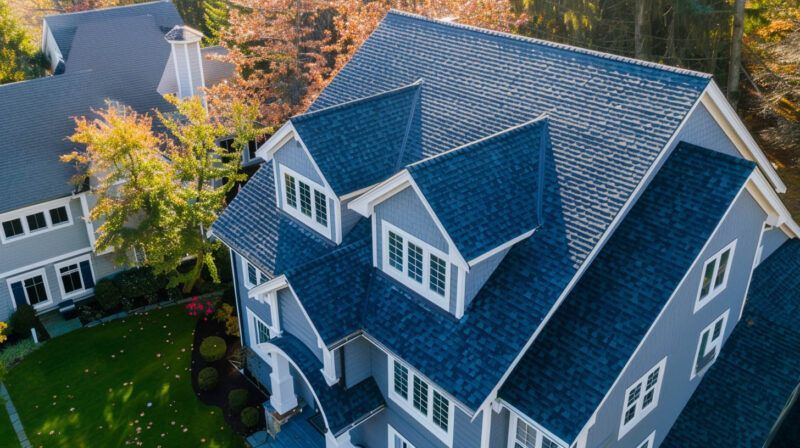
Aerial view of a large blue-gray house with dormer windows and a landscaped yard in autumn
By 180 Contractors May 14, 2026
Your roof works silently year after year, shielding your home from rain, wind, sun, and snow. But like every part of your home, it doesn’t last forever. The key is knowing when repair is no longer enough—and a full roof replacement is the smarter, safer move. For homeowners in Bloomfield Hills, MI, where intense season
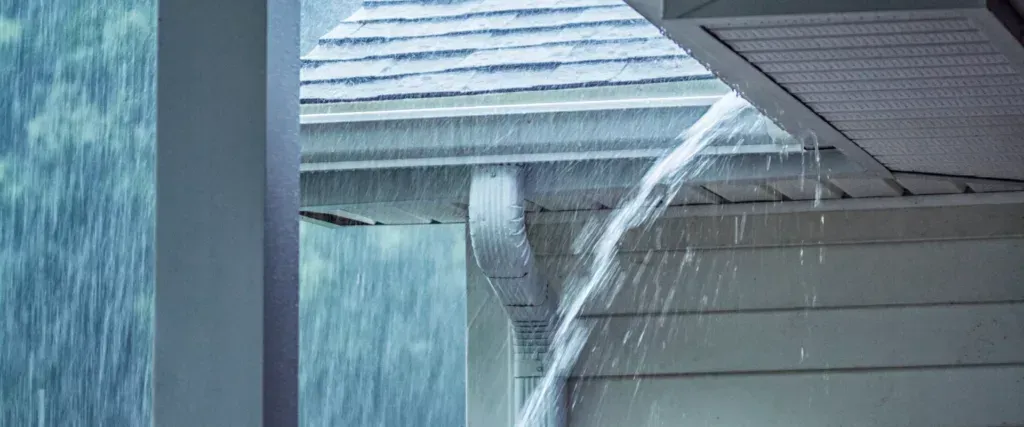
Rainwater pouring from a house roof and gutter during a storm
By 180 Contractors April 13, 2026
Michigan weather can be tough on homes, especially when it comes to your roof. From heavy snow in the winter to strong thunderstorms in the summer, each season brings conditions that can wear down roofing materials over time. Knowing how these storms affect your roof can help you catch problems early and avoid more ser
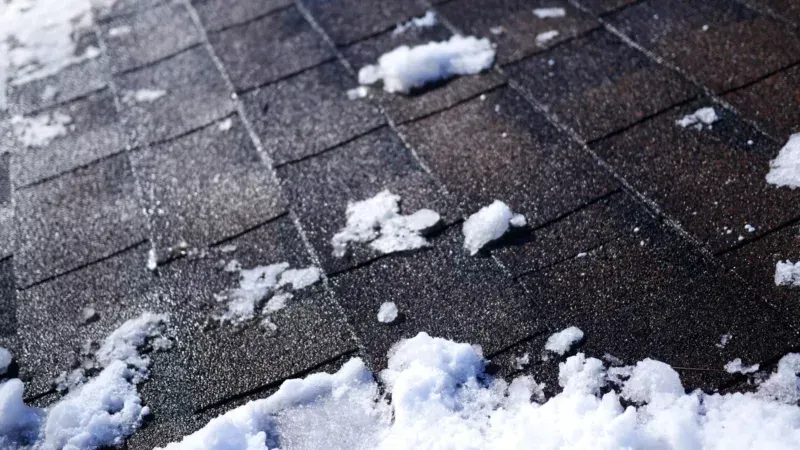
Snow piled on a dark shingled roof, with scattered patches of snow across the surface.
By 180 Contractors March 3, 2026
If you’ve lived through a Michigan winter, you know your roof takes a beating. Between heavy snowfall, freezing rain, fluctuating temperatures, and strong winds, winter weather can quietly wear down even a well-built roofing system. By the time spring arrives, many homeowners are surprised to learn that damage has alre