James Hardie Siding: The Ultimate Choice for Durability and Aesthetic Appeal

180 Contractors • May 29, 2025
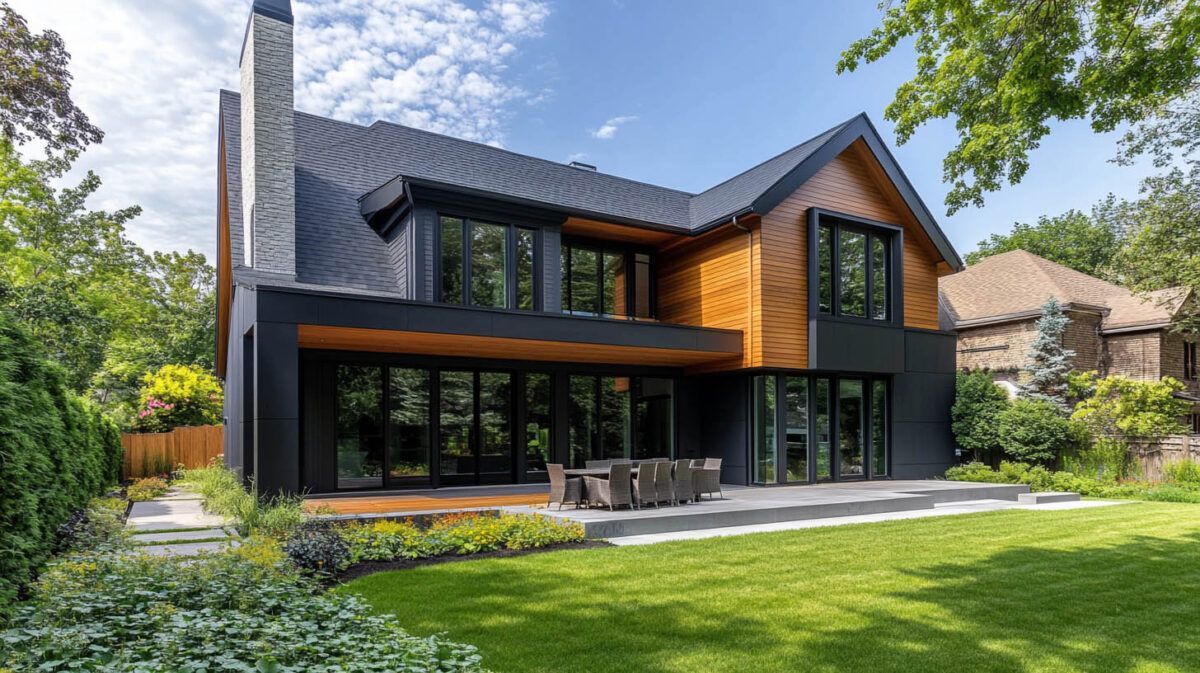
Modern two-story house with dark siding, wood accents, and a large green lawn under a blue sky

James Hardie siding has revolutionized the exterior home improvement industry, offering homeowners a superior alternative to traditional siding materials. Known for its strength, longevity, and aesthetic versatility, James Hardie fiber cement siding has become the preferred choice for millions of homeowners. This guide explores its benefits, installation process, and long-term value.


The History and Innovation Behind James Hardie Siding

James Hardie Industries was founded in 1888 in Australia and became a pioneer in fiber cement technology in the 1980s. Since then, it has dominated the North American siding market, with over 8 million homes featuring James Hardie products. The company’s innovative approach to exterior protection has set a new industry standard for siding materials.


The Evolution of Fiber Cement Siding

  • Early Development: James Hardie developed fiber cement as a more durable and fire-resistant alternative to wood siding.
  • Climate-Specific Engineering: The company introduced the HardieZone® system, tailoring its siding products to withstand regional weather conditions.
  • Sustainability and Efficiency: James Hardie siding is made from a blend of cement, sand, cellulose fibers, and water, reducing environmental impact and increasing durability.


Key Benefits of James Hardie Fiber Cement Siding

1. Exceptional Durability and Weather Resistance

James Hardie siding is engineered to withstand extreme weather conditions, including hail, high winds, freezing temperatures, and intense heat. Unlike wood, it does not rot, warp, or expand due to moisture exposure.

  • Resistant to Moisture and Mold: Unlike wood, fiber cement does not absorb water, preventing mold and mildew growth.
  • Impact Resistance: Up to five times thicker than vinyl, it provides better protection against dents and cracks.


2. Fire Resistance and Safety

James Hardie siding is non-combustible and can withstand direct flame exposure for up to an hour without igniting. Compared to vinyl and wood, which can catch fire quickly, fiber cement siding offers homeowners peace of mind.


3. Pest and Termite Protection

Traditional wood siding attracts termites, carpenter ants, and rodents. James Hardie fiber cement siding is pest-resistant, eliminating the risk of infestation and structural damage.


4. Low Maintenance and Longevity

With a 30-year, non-prorated warranty, James Hardie siding outlasts most other materials. The ColorPlus® Technology ensures fade-resistant finishes, reducing the need for frequent repainting.


5. Energy Efficiency and Sustainability

James Hardie siding contributes to energy efficiency when paired with proper insulation. It also qualifies as a “green” building product due to its long lifespan and sustainable manufacturing process.


Comparing James Hardie Siding to Other Materials

James Hardie vs. Vinyl Siding

Feature James Hardie Siding Vinyl Siding
Durability High – resistant to impact and weather Prone to cracking and warping
Fire Resistance Non-combustible Melts and ignites easily
Aesthetics Mimics real wood with deep textures Thin plastic appearance
Maintenance Low, requires occasional cleaning Prone to fading and requires replacement
Lifespan 30+ years 10-20 years

James Hardie vs. Wood Siding

Feature James Hardie Siding Wood Siding
Moisture Resistance 100% water-resistant Prone to rot and mold
Pest Resistance Not a food source for termites Attracts termites and pests
Fire Resistance Resists fire exposure Highly flammable
Maintenance Minimal upkeep Requires frequent staining or painting
Lifespan 30+ years 15-25 years

The HardieZone® System: Climate-Specific Siding Solutions

James Hardie siding is engineered for regional climate conditions, ensuring optimal performance in varying environments.

  • HZ5® Products: Designed for cold, wet climates with freezing temperatures and snow.
  • HZ10® Products: Built to resist intense heat, humidity, and UV exposure in warmer regions.


The Installation Process: Ensuring Maximum Performance

Proper installation is essential to achieving the full benefits of James Hardie siding. Certified contractors follow strict guidelines to ensure longevity and performance.


1. Site Preparation

  • Remove old siding if necessary.
  • Inspect for moisture damage or structural issues.
  • Install weather-resistant barriers to prevent water infiltration.


2. Cutting and Fitting

  • Use specialized fiber cement cutting tools to prevent chipping.
  • Allow for proper spacing and expansion gaps.


3. Fastening and Sealing

  • Secure panels with corrosion-resistant nails.
  • Apply caulking and flashing to prevent moisture penetration.


4. Finishing with ColorPlus® Technology

James Hardie’s baked-on color finish provides long-lasting vibrancy, superior to traditional paint applications.


Return on Investment: Why James Hardie is a Smart Financial Decision

James Hardie siding delivers a 78% return on investment (ROI) upon resale, making it the top-ranked exterior renovation according to the Remodeling Magazine Cost vs. Value Report.

  • Higher Home Value: Prospective buyers recognize the durability and appeal of James Hardie siding.
  • Reduced Repair Costs: Unlike wood and vinyl, fiber cement requires fewer replacements and repairs.
  • Energy Savings: Improved insulation contributes to lower heating and cooling expenses.


Why Work with a Certified James Hardie Installer?

Choosing an Elite Preferred James Hardie contractor ensures compliance with best practices and manufacturer warranties. 180 Contractors Roofing & Siding, located in Troy, MI, is a top-tier provider of James Hardie siding installation. As a BBB A+ accredited, Guildmaster (GuildQuality), INC 5000, Google Guaranteed, and Qualified Remodeler Top 100 Satisfaction contractor, we guarantee expert craftsmanship and exceptional customer service. We partner with leading brands, including James Hardie, Alside, and Everlast, to deliver premium siding solutions.


Frequently Asked Questions

1. How long does James Hardie siding last?

James Hardie siding comes with a 30-year limited warranty but can last 50 years or more with proper maintenance.


2. Can James Hardie siding be repainted?

Yes, while ColorPlus® Technology provides long-lasting color, James Hardie siding can be repainted after 15-20 years if desired.


3. Is fiber cement siding expensive?

James Hardie siding is more expensive than vinyl but less costly than natural wood. Its durability and low maintenance make it a cost-effective investment.


4. Does James Hardie siding increase home value?

Yes, James Hardie siding provides one of the highest ROIs of any home improvement project.


5. How does James Hardie compare to LP SmartSide?

James Hardie siding offers superior fire resistance, moisture protection, and longevity, making it a more durable option than LP SmartSide.


Conclusion

James Hardie fiber cement siding is the gold standard in exterior home protection. With unmatched durability, fire resistance, pest resistance, and aesthetic appeal, it remains the top choice for homeowners. Investing in James Hardie siding ensures a long-lasting, low-maintenance, and high-value exterior solution.


Read also our blog: A New Standard in Roofing and Siding Excellence
GET A FREE QUOTE

Share this article

Recent Posts

Aerial view of a large blue-gray house with dormer windows and a landscaped yard in autumn
By 180 Contractors May 14, 2026
Your roof works silently year after year, shielding your home from rain, wind, sun, and snow. But like every part of your home, it doesn’t last forever. The key is knowing when repair is no longer enough—and a full roof replacement is the smarter, safer move. For homeowners in Bloomfield Hills, MI, where intense season
Rainwater pouring from a house roof and gutter during a storm
By 180 Contractors April 13, 2026
Michigan weather can be tough on homes, especially when it comes to your roof. From heavy snow in the winter to strong thunderstorms in the summer, each season brings conditions that can wear down roofing materials over time. Knowing how these storms affect your roof can help you catch problems early and avoid more ser
Snow piled on a dark shingled roof, with scattered patches of snow across the surface.
By 180 Contractors March 3, 2026
If you’ve lived through a Michigan winter, you know your roof takes a beating. Between heavy snowfall, freezing rain, fluctuating temperatures, and strong winds, winter weather can quietly wear down even a well-built roofing system. By the time spring arrives, many homeowners are surprised to learn that damage has alre