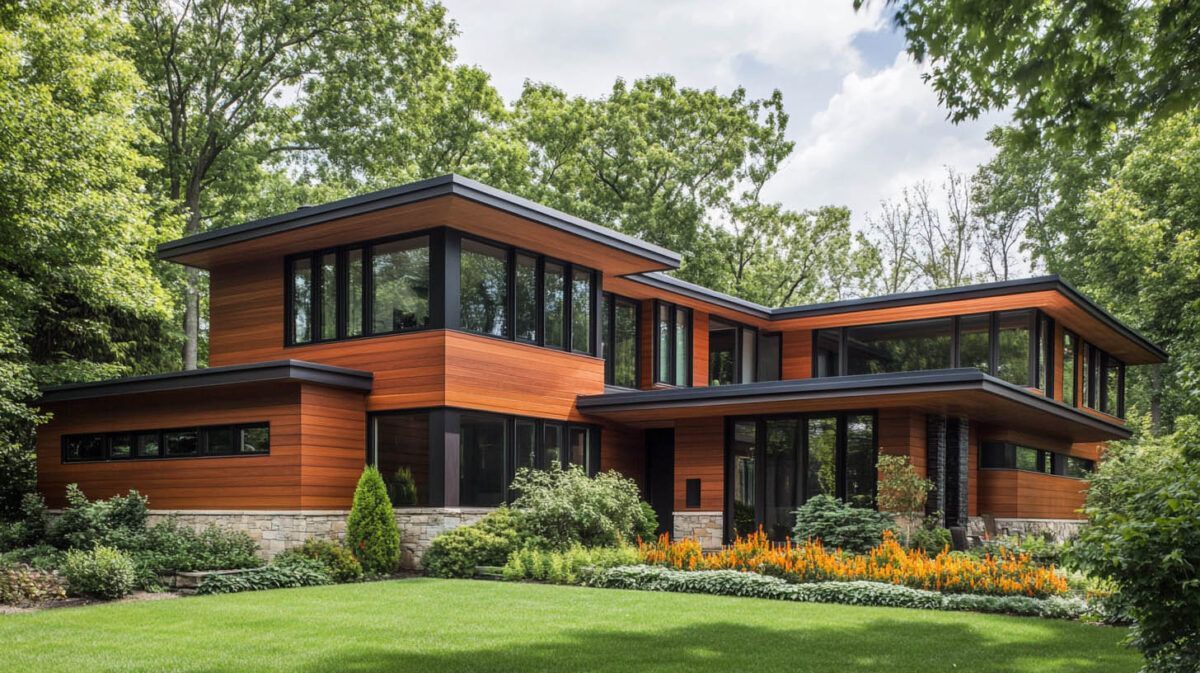
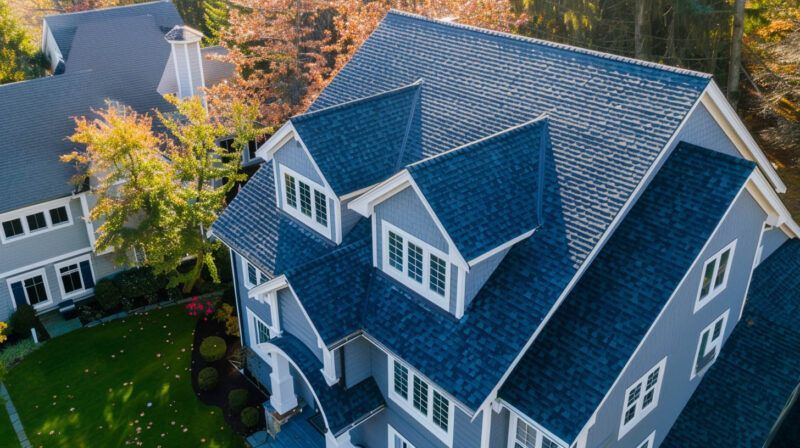
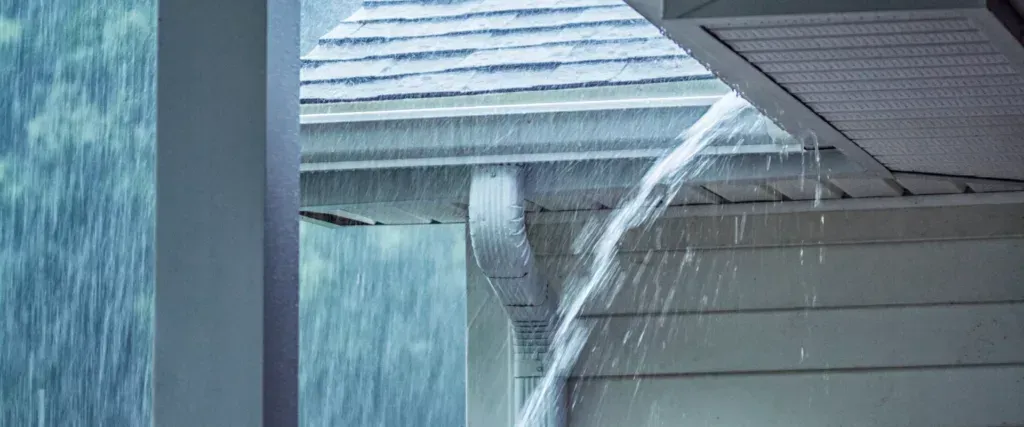
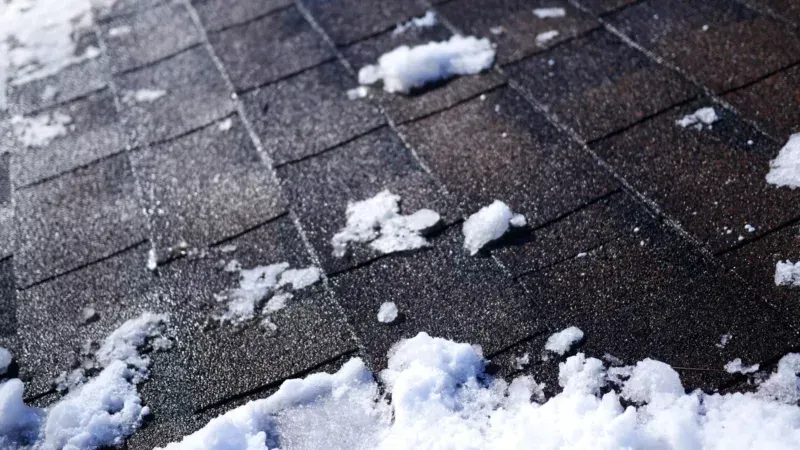
A well-designed home exterior reflects personal style while enhancing curb appeal and increasing property value. Homeowners today seek siding styles that are not only visually appealing but also durable, energy-efficient, and easy to maintain. Contemporary siding trends focus on bold color contrasts, textured surfaces, eco-friendly materials, and architectural accents that elevate a home’s aesthetic.
Emerging Trends in Siding Styles
1. Mixing and Matching Siding Patterns
Blending different siding styles creates dimension and visual intrigue. Homeowners are increasingly incorporating multiple materials and designs to add character and sophistication to their home’s exterior. Common ways to achieve this look include:
- Board-and-batten with lap siding:
Wide vertical panels contrast with horizontal siding for a classic yet modern farmhouse appeal.
- Contrasting gable designs:
Using vertical siding on gables and horizontal siding on lower walls emphasizes height and adds a refined touch.
- Shingle accents:
Placing shingle siding on dormers or entryway sections introduces texture and depth.
2. Emphasizing Texture and Depth
Texture plays a crucial role in modern siding aesthetics, as homeowners seek styles that create shadows and depth. Options include:
- Woodgrain-textured fiber cement siding, which mimics the warmth of real wood while offering superior durability.
- Stucco-look fiber cement panels, providing a Mediterranean or Southwestern architectural appeal.
- Brick-style siding accents, combining traditional charm with modern durability.
3. Statement Accent Siding
Architectural features like dormers, bay windows, and front-facing garage walls stand out when paired with distinctive siding styles. Homeowners are adding contrasting siding materials or colors to highlight these areas, making their homes look unique and custom-designed.
4. Eco-Friendly and Sustainable Choices
Siding materials that reduce environmental impact continue to rise in popularity. Fiber cement siding is a top choice due to its long lifespan, energy efficiency, and resistance to decay. Manufactured using a blend of cement, cellulose fibers, and water, it requires fewer resources to produce than traditional wood siding and lasts longer than vinyl alternatives.
5. Indoor-Outdoor Integration
A growing trend involves using exterior siding elements inside the home to create a seamless transition between indoor and outdoor spaces. Horizontal planks or shiplap accents in entryways, living rooms, and kitchen backsplashes add warmth and continuity to the design.
Trending Siding Colors for Contemporary Homes
1. Off-White and Soft Neutral Tones
Classic white siding remains a favorite, but warm off-white and creamy beige shades are gaining popularity. These softer hues offer a timeless look while adding a welcoming touch. Popular shades include:
- Snow Owl – A warm white that pairs well with dark trim.
- Moonflower White – A soft, subtle shade that enhances modern aesthetics.
2. High-Contrast Color Combinations
Bold contrasts elevate exterior designs by making architectural details more prominent. Effective combinations include:
- Bright white siding with black trim, creating a crisp, modern farmhouse aesthetic.
- Charcoal gray siding with a lighter trim, offering a dramatic yet elegant appearance.
- Deep navy blue paired with crisp white, adding coastal-inspired sophistication.
3. Moody and Dark Color Palettes
Rich, deep hues bring a striking, contemporary look to home exteriors. Black and dark gray siding create a bold statement while maintaining a sleek and modern vibe. Some trending dark shades include:
- Inky Indigo – A deep blue with a sophisticated, refined finish.
- Black Walnut – A dark, rich brown that adds warmth and elegance.
4. Earthy and Nature-Inspired Tones
Warm earth tones are making a strong comeback, offering a sense of serenity and blending seamlessly with outdoor environments. Shades like moss green, bark brown, and sandy beige harmonize with natural landscapes and stone accents. Notable colors include:
- Heather Moss –
A muted green that pairs well with wood and stone.
- Cobble Stone –
A taupe-toned neutral that complements various architectural styles.
Choosing the Best Siding for Your Home
1. Assessing Climate Considerations
Siding should withstand regional weather conditions. Fiber cement siding is an ideal option for homes in areas with:
- Heavy rainfall, as it resists moisture damage and rot.
- Extreme temperatures, since it does not expand or contract like vinyl.
- High winds, due to its impact-resistant durability.
2. Evaluating Long-Term Maintenance Needs
Selecting siding with minimal upkeep requirements ensures long-lasting beauty and functionality. Fiber cement siding requires:
- Occasional washing to remove dirt and mildew.
- Periodic repainting (if not pre-finished with ColorPlus® Technology).
- Regular inspections to check for minor cracks or caulking issues.
3. Considering Energy Efficiency
Siding materials with insulating properties help regulate indoor temperatures and reduce energy costs. Options like insulated fiber cement siding contribute to improved thermal performance, making homes more energy-efficient.
Why Homeowners Trust 180 Contractors Roofing & Siding
At 180 Contractors Roofing & Siding, we specialize in premium siding installations that enhance curb appeal and durability for homeowners in Waterford, MI. Our commitment to craftsmanship and customer satisfaction is backed by industry-leading certifications:
- BBB A+ Accredited –
Recognized for outstanding service and reliability.
- Guildmaster (GuildQuality) Award – Celebrating excellence in customer satisfaction.
- INC 5000 –
Recognized as one of the fastest-growing home improvement companies.
- Google Guaranteed – Verified for quality and professionalism.
- Qualified Remodeler Top 100 Satisfaction – Ranked among the best in the industry.
We work with James Hardie, Alside, and Everlast, ensuring that every siding installation meets the highest standards of quality, durability, and aesthetic appeal.
FAQs
1. What is the most popular siding color for modern homes?
Warm off-whites, deep grays, and rich earth tones are among the top trending colors for contemporary homes.
2. Can I mix different siding styles on my home?
Yes, combining horizontal, vertical, and shingle siding creates a dynamic, custom look that enhances architectural features.
3. How long does fiber cement siding last?
With proper maintenance, fiber cement siding can last 30-50 years, significantly outlasting vinyl and wood options.
4. Is dark siding harder to maintain than lighter colors?
Dark siding can show dust and dirt more easily, but with regular cleaning and a durable finish, maintenance remains manageable.
5. What is the best low-maintenance siding material?
Fiber cement siding requires minimal upkeep, resists weather damage, and maintains its color longer than wood or vinyl alternatives.
Conclusion
Modern siding trends focus on bold color choices, varied textures, and sustainable materials that enhance both beauty and durability. By selecting the right combination of siding styles and colors, homeowners can achieve a visually stunning and long-lasting exterior. Investing in high-quality siding solutions ensures lasting protection, increased property value, and a home exterior that remains stylish for years to come.
Read also our blog:
Best Practices for Cleaning and Maintaining James Hardie Siding