Few things cause as much frustration for homeowners as an unexpected roof leak. What begins as a minor drip can rapidly escalate into widespread water damage, mold growth, and expensive repairs. In Bloomfield Hills, MI, where the weather can shift from heavy rain to snow within days, keeping your roof in top condition is crucial. At
180 Contractors Roofing & Siding, we’ve uncovered the most common causes of roof leaks—and how to fix them before they spiral out of control.
1. Broken or Missing Shingles
Shingles are your roof’s first defense against the elements. When they’re damaged, cracked, or missing altogether, rainwater can slip underneath and cause leaks. Shingles can deteriorate due to age, hail, or strong winds—especially during Michigan’s storm season. Replacing affected shingles promptly prevents water from finding a way in.
2. Worn or Cracked Flashing
Flashing seals the joints around chimneys, skylights, vents, and valleys. Over time, flashing can corrode, crack, or pull away from the surface, leaving gaps for water to enter. Improper installation is also a frequent cause of flashing failure. Our certified installers ensure flashing is securely fastened and sealed using top-tier materials like those from Owens Corning.
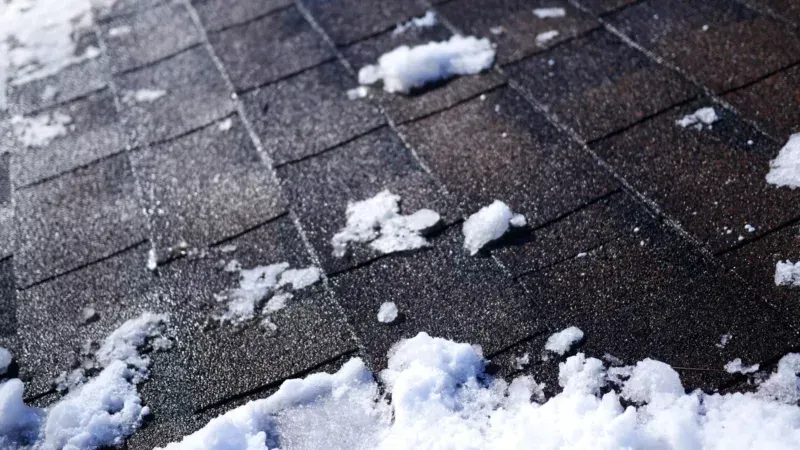
3. Ice Dams
In the winter months, ice dams form when snow melts on your roof and refreezes near the eaves, creating a blockage. Water then backs up under the shingles and leaks into the attic. Preventing ice dams involves proper attic ventilation, insulation, and sometimes installing heating cables to promote snow melt-off.
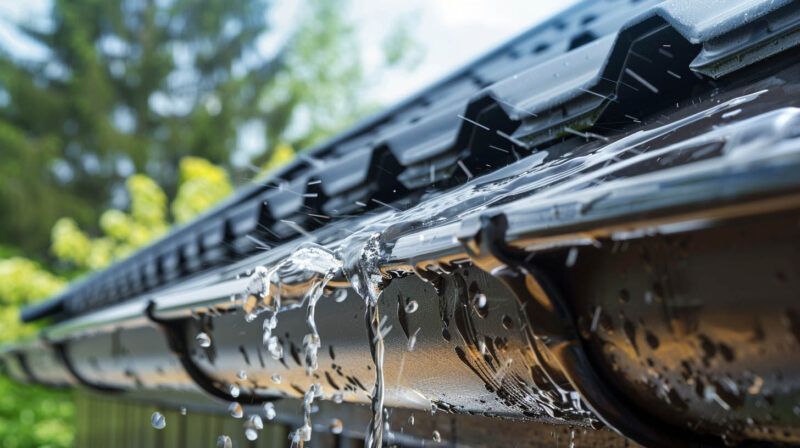
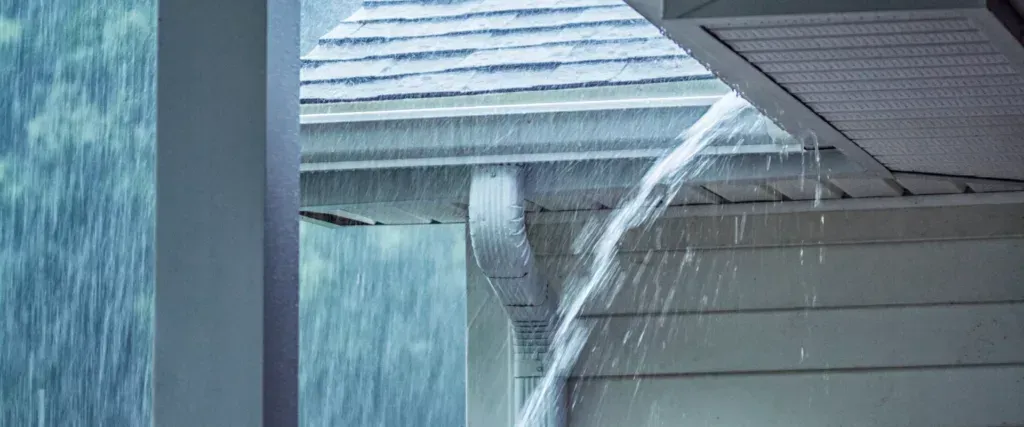
4. Clogged Gutters
Gutters filled with leaves, sticks, and shingle granules can’t channel water away from your roof properly. Instead, water pools on the roof edge, increasing the chance of seepage under shingles and into your soffits. Gutter cleaning is an easy, affordable task that makes a major difference.
5. Skylight Failures
Skylights offer natural light and style—but when seals wear out or flashing fails, they can be a leak magnet. Poor installation is often the root cause of leaks around skylights. At 180 Contractors Roofing & Siding, we inspect skylight flashing and re-seal or replace faulty components for a watertight finish.
6. Vent Boot Damage
Vents that allow air flow through your attic also present leak opportunities if not sealed correctly. Vent boots (the rubber or metal seals around vent pipes) can crack or dry out over time, especially with temperature fluctuations. Replacing worn vent boots is a quick repair that can prevent major water intrusion.
7. Poorly Installed Roof Valleys
Valleys—the troughs where two roof slopes meet—channel a lot of water during storms. If these areas weren’t installed or sealed properly, they become one of the most common entry points for leaks. We ensure roof valleys are tightly sealed with underlayment and flashing that can handle high water flow.
8. Improper Attic Ventilation
You might not associate leaks with airflow—but poor attic ventilation causes condensation buildup, which mimics the effects of a roof leak. Moisture accumulates inside the attic and drips onto ceilings, causing mold and rot. Balanced ventilation and insulation go hand-in-hand with leak prevention.
9. Aging Roofing Materials
Even with great installation and care, all roofs have a lifespan. If your asphalt shingles are 15–20 years old, or if you’re seeing bald spots or excessive granule loss, your roof may simply be at the end of its life. A comprehensive inspection can determine whether repairs are enough—or if a replacement is needed.
10. DIY Repairs Gone Wrong
Attempting to fix a roof without the right tools or knowledge often makes things worse. Homeowners who apply sealant in the wrong places or nail down shingles incorrectly can accidentally create new leak paths. Always call a certified roofing professional for repairs that last.
Why Early Detection Matters
A small roof leak can cause enormous damage behind the scenes. Water finds paths through insulation, drywall, and framing, leading to hidden rot, mold, and structural deterioration. The longer you wait, the more extensive—and expensive—the repairs will be.
Routine inspections, especially after storms or in seasonal transitions, are essential for catching these issues before they escalate.
Final Thoughts
Knowing what triggers roof leaks—and how to spot the early signs—can save you thousands in damage and stress. Whether you’ve noticed discoloration on your ceiling or simply want peace of mind before winter, scheduling a professional inspection is the smartest move.
At 180 Contractors Roofing & Siding, we specialize in leak detection and repair, offering expert service, transparent advice, and high-performance solutions that protect your home year-round.
Read also our blog:
10 Times You Should Call a Roofing Contractor