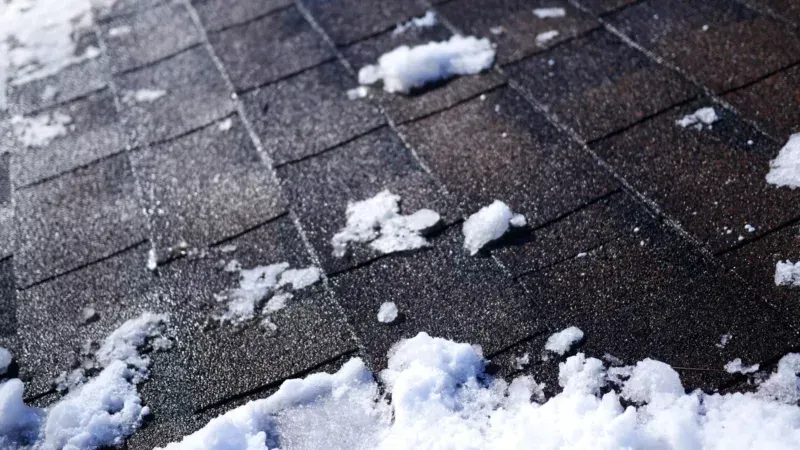
If you’re preparing for a roof repair or full replacement, you’re likely hearing a lot of unfamiliar terms. Understanding the basics of roofing vocabulary will empower you to make better decisions, communicate effectively with your contractor, and ensure you’re getting exactly what your home needs. In this blog, we’ll break down essential roofing terminology that every homeowner should know before starting a project.
Why Roofing Terminology Matters
Roofing isn’t just shingles and nails—it’s a complex system designed to protect your home from the elements. Knowing the right terms can help you avoid miscommunications, spot inconsistencies in estimates, and ask smarter questions when hiring a contractor.
In Waterford, MI, where seasonal storms and snow accumulation can take a toll on rooftops, it’s especially important to understand how your roof works and what materials are best suited for the local climate.
Key Parts of a Roofing System
Shingles
These are the visible, outermost layer of a roof, designed to protect against weather. Asphalt shingles are most common, but they come in three basic types: 3-tab, architectural (also called dimensional), and luxury.
Underlayment
Placed beneath the shingles, underlayment is a water-resistant or waterproof barrier that protects the roof deck from moisture intrusion.
Flashing
Usually made of metal, flashing is installed around joints, chimneys, and roof penetrations to divert water away and prevent leaks.
Roof Decking (Sheathing)
This is the base layer of the roof, usually made of plywood or OSB (oriented strand board), to which all other roofing materials are attached.
Soffit and Fascia
The soffit covers the underside of the roof’s overhang, and the fascia is the board that lines the roof’s edge. Together, they help provide ventilation and shield the structure from pests and water damage.
Ridge Cap
This is the trim installed along the roof’s peak. It helps keep water out and provides a finished look to the roof.
Ventilation
Roof vents are essential for airflow in your attic. Good ventilation helps regulate temperature and moisture, which extends the life of your roof.
Common Roofing Materials
Asphalt Shingles
Affordable and versatile, these are the most popular roofing option in the U.S.
Metal Roofing
Known for durability and longevity, metal roofs are becoming increasingly popular in Michigan’s variable climate.
Tile and Slate
These are high-end materials with long lifespans but also require stronger structural support due to their weight.
Roof Pitch and Slope
The pitch refers to the steepness of your roof. It’s important because it affects how water drains and which materials can be used. For example, flat roofs require different waterproofing techniques compared to steep-pitched ones.
Ice and Water Shield
A self-adhesive waterproof membrane installed along roof valleys and eaves to protect against damage caused by ice dams and wind-driven rain.
Warranties
There are generally two types: manufacturer warranties (covering materials) and workmanship warranties (covering installation). It’s essential to understand the coverage and duration of each.
Trust the Experts
Understanding roofing terminology is only the first step. You still need a qualified, trustworthy contractor to execute the work properly. 180 Contractors Roofing & Siding
offers expert roofing services for homeowners across Waterford, MI, with transparency and professionalism at the core of everything they do. Learn more at 180 Contractors Roofing & Siding.
Certified Materials You Can Rely On
The best roofing outcomes come from using trusted brands like Owens Corning, known for high-quality shingles and components. When installed by certified professionals, these materials offer enhanced durability and extended warranty options.
Final Thoughts
Being fluent in roofing terms gives you a huge advantage during roof repairs or replacements. You’ll be more confident in your choices, more secure in negotiations, and better prepared to protect your investment. Knowledge is power—and when it comes to your roof, it’s also peace of mind.
Read also our blog:
Tips for Navigating Roofing Insurance Negotiations