Importance of Vinyl Siding Color in Home Design
Choosing the right vinyl siding color significantly impacts curb appeal, home value, and overall aesthetics. A well-selected color can enhance architectural details, complement landscaping, and harmonize with the surrounding neighborhood. With the vast array of color options available, selecting the perfect shade requires careful consideration of various factors, including resale value, personal preferences, and environmental influences.
Factors to Consider When Choosing a Vinyl Siding Color
1. Home Resale Value and Market Trends
Neutral colors such as beige, gray, and off-white remain the most popular choices for homeowners looking to maximize their property’s resale value. These colors appeal to a broad range of buyers and blend seamlessly with different architectural styles. According to real estate studies, homes with neutral siding colors tend to sell faster and at higher prices than those with bold or unconventional hues.
2. Climate and Weather Considerations
Siding color selection should factor in regional climate conditions:
- Warm Climates: Lighter colors reflect sunlight, reducing heat absorption and helping keep interiors cool. White, cream, and soft grays are ideal choices.
- Cold Climates:
Darker shades absorb heat, aiding in insulation during winter. Deep browns, forest greens, and dark blues can enhance energy efficiency.
- Humid Regions:
Colors with a matte or textured finish hide dirt, moisture stains, and mildew better than glossy or very light-colored options.
3. Architectural Style and Home Design
Different home styles favor particular siding colors:
- Traditional Homes (Colonial, Victorian):
Whites, soft blues, and pastels create a classic look.
- Modern Homes (Contemporary, Mid-Century): Dark grays, blacks, and sleek monochrome palettes emphasize clean lines.
- Rustic Homes (Farmhouse, Craftsman): Earth tones, such as brown, taupe, and olive green, enhance the natural elements of wood and stone.
4. Neighborhood and HOA Guidelines
Matching or complementing surrounding homes ensures aesthetic harmony and maintains property values. Many homeowners’ associations (HOAs) have predefined color palettes that residents must adhere to, making it essential to check guidelines before finalizing siding colors.
5. Compatibility with Existing Features
Permanent elements like roofs, brickwork, stone accents, and landscaping should guide color selection. A cohesive exterior enhances visual appeal:
- Dark-colored roofs pair well with lighter siding for contrast.
- Brick or stone homes should use complementary siding colors that enhance natural tones.
- Bold landscaping benefits from neutral siding to avoid overwhelming the aesthetic balance.
Popular Vinyl Siding Color Trends
1. Classic Neutrals for Timeless Appeal
Beige, light gray, taupe, and off-white remain enduringly popular due to their versatility and universal appeal. These colors complement various architectural styles and are widely recommended by real estate professionals for boosting home value.
2. Bold and Dark Colors for a Contemporary Look
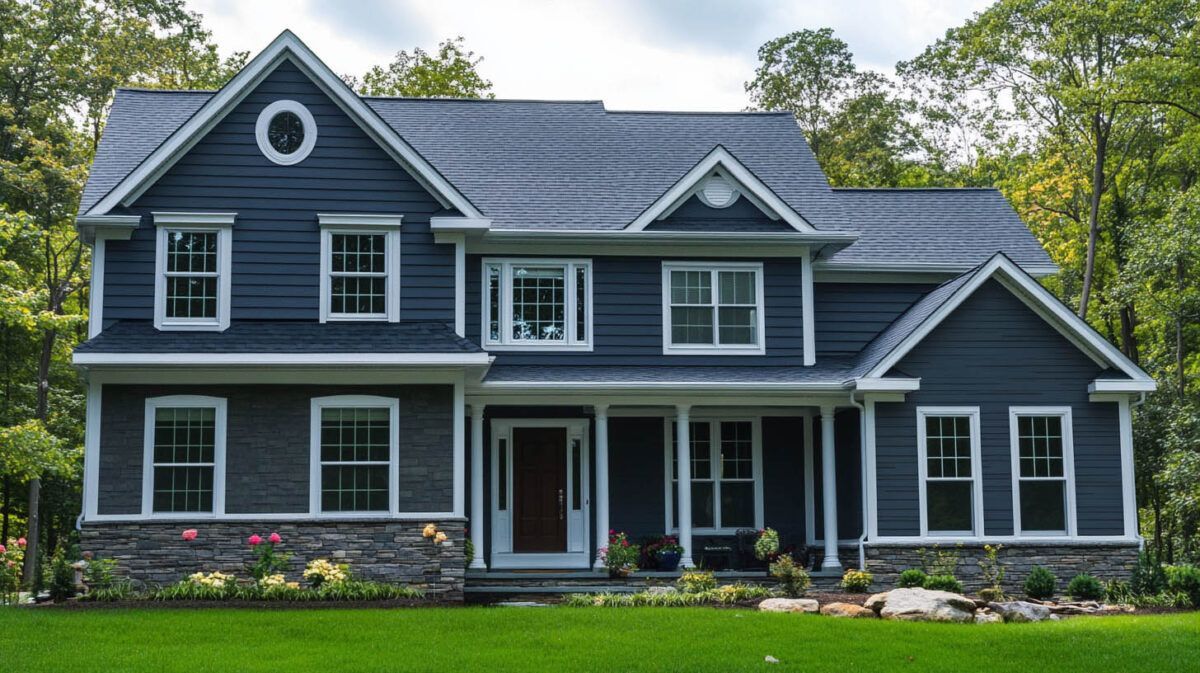
Deep charcoal, navy blue, forest green, and black are becoming increasingly popular in modern home design. These colors create striking contrasts and give homes a sophisticated, high-end appearance.
3. Earth Tones for Natural Harmony
Shades like olive green, terracotta, and warm browns blend seamlessly with outdoor elements, making them ideal for homes in wooded or rural areas. They provide a warm, welcoming aesthetic that enhances a home’s connection with nature.
4. Two-Tone and Accent Color Combinations
Using a second color for trim, shutters, or gables adds depth and character to a home’s exterior. Some effective combinations include:
- Light gray siding with dark gray or navy blue trim
- White siding with black or dark green shutters
- Beige siding with deep brown or red brick accents
Tips for Choosing the Perfect Vinyl Siding Color
1. Use Sample Boards and Digital Visualization Tools
Viewing physical samples in natural light provides a more accurate representation of how a color will appear on your home. Many manufacturers and contractors offer digital visualization tools that allow homeowners to preview siding colors on a model of their house.
2. Consider Lighting Conditions
Colors can appear differently depending on lighting:
- South-facing homes receive more direct sunlight, which may cause some colors to appear brighter.
- Shaded homes may make light colors appear duller, requiring slightly darker hues for contrast.
3. Coordinate with Trim and Roofing
Trim, shutters, and roofing materials should contrast yet complement the primary siding color. For example:
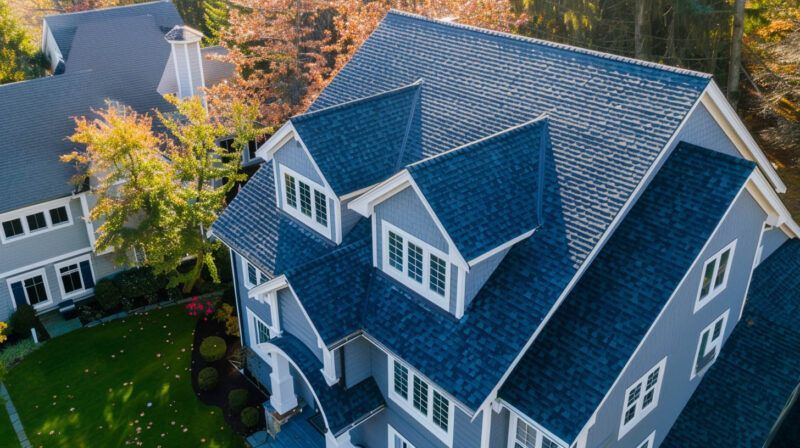
- Dark roofing pairs well with soft neutral siding.
- Light-colored siding benefits from darker trim to create depth.
4. Think Long-Term
Trendy colors may not age well or may decrease resale value. Choosing a classic color ensures longevity and prevents the need for early replacements.
The Importance of Professional Installation
Proper installation is essential for ensuring siding longevity and durability. Professional siding contractors can provide expert guidance on color selection, material quality, and insulation benefits. They also ensure precise installation, preventing issues such as warping, water infiltration, and color fading.
180 Contractors Roofing & Siding, located in Rochester Hills, MI, offers expert siding installation services using premium brands such as James Hardie, Alside, and Everlast. With BBB A+ accreditation, Guildmaster (GuildQuality), INC 5000 recognition, Google Guaranteed status, and a place in Qualified Remodeler’s Top 100 Satisfaction, we provide homeowners with top-tier craftsmanship and industry-leading materials.
Conclusion
Selecting the right vinyl siding color enhances curb appeal, increases property value, and complements architectural features. By considering factors such as climate, neighborhood aesthetics, and long-term maintenance, homeowners can make informed decisions that provide lasting beauty and functionality. With professional guidance and high-quality materials, the perfect siding color can transform any home into a visually appealing and energy-efficient masterpiece.
Frequently Asked Questions (FAQs)
1. What vinyl siding color increases home value the most?
Neutral tones like beige, light gray, and white have the highest resale value due to their broad appeal and timeless look.
2. Does dark-colored vinyl siding fade faster?
Yes. Dark colors absorb more UV rays, making them more prone to fading over time. Choosing siding with UV-resistant coatings helps maintain color vibrancy.
3. Can I paint my vinyl siding if I want to change the color later?
Yes, but it requires high-quality exterior paint designed for vinyl surfaces. Painting siding may also void manufacturer warranties, so checking guidelines is essential.
4. How do I match my vinyl siding color with my roof?
For contrast, pair dark roofs with lighter siding and vice versa. Consider undertones and existing exterior elements for a cohesive look.
5. What is the most low-maintenance vinyl siding color?
Mid-tone colors like tan, light gray, and soft greens hide dirt, stains, and sun exposure effects better than very dark or very light shades.
Read also our blog: The Benefits of Hiring a James Hardie Elite Preferred Siding Contractor