Your home’s siding plays a critical role in safeguarding the structure against weather elements, pests, and moisture while also enhancing curb appeal and energy efficiency. Over time, even the most durable siding materials deteriorate, leading to costly repairs if not replaced in time. Recognizing the warning signs of failing siding can help homeowners make timely decisions before significant damage occurs.
Fading, Peeling, or Chipping Paint
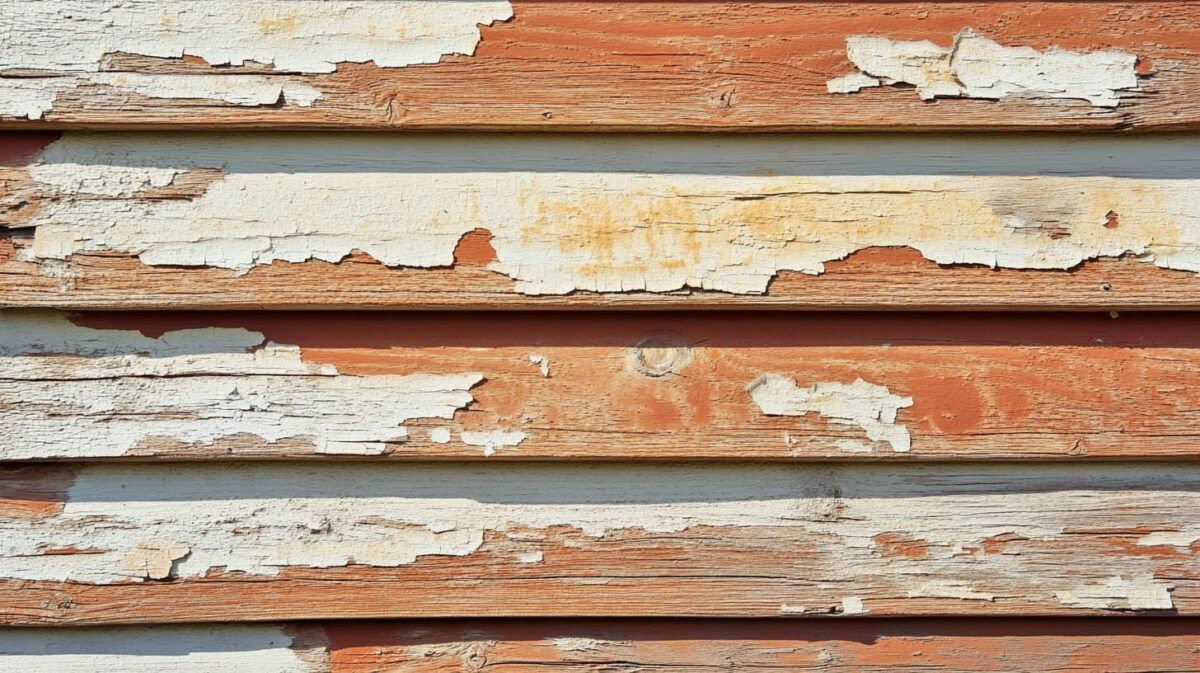
If your siding’s color has significantly faded or the paint has started to peel, it indicates that the protective layer is breaking down. While minor fading can be normal due to sun exposure, excessive discoloration suggests that the material is no longer effectively shielding your home from harsh weather conditions. In some cases, interior paint peeling or wallpaper bubbling can also be signs of moisture infiltration through deteriorating siding.
Cracks, Gaps, or Warping
Cracked or warped siding panels compromise your home’s insulation and structural integrity. These issues can allow water, insects, and even rodents to enter your home, causing further damage. If pressing on a siding panel causes it to feel soft or spongy, underlying moisture damage is likely present, requiring immediate attention.
Blisters and Bubbles on the Surface
Blisters or bubbles forming on the siding surface indicate that moisture has become trapped underneath. Since siding is meant to prevent water from penetrating the home, the presence of bubbles suggests that it has failed. Over time, trapped moisture can lead to rot, mold growth, and weakened structural components.
Presence of Mold, Mildew, or Fungus
Mold, mildew, or fungal growth on siding—especially near the seams—suggests that water is seeping in. While some surface mold can be removed with cleaning, its recurring presence is a red flag that moisture is accumulating within the walls. Left untreated, mold can spread inside the home, leading to health concerns and structural damage.
Increased Frequency of Repairs and Painting
Most siding materials require periodic maintenance, but if you find yourself repainting or repairing sections frequently, it may be time for a full replacement. Quality siding should maintain its appearance and performance for at least 8-10 years. If your home requires new paint every few years or regular patchwork, the siding is no longer functioning properly.
Higher Energy Bills Due to Poor Insulation
A sudden increase in energy bills without a clear cause could indicate that your siding is no longer providing proper insulation. If you feel drafts near walls, notice temperature fluctuations, or struggle to maintain indoor comfort, it may be due to gaps or deterioration in the siding. Upgrading to modern, energy-efficient siding can significantly reduce heating and cooling costs.
Pest and Insect Infestation
Damaged or rotting siding can attract wood-boring insects such as termites, carpenter ants, and beetles. Once these pests infiltrate the home’s structure, they can cause extensive damage that requires expensive repairs. If you notice small holes, sawdust-like debris, or an increase in insects around your home’s exterior, your siding may need replacement.
Rotting or Soft Siding
Certain materials, such as wood siding, are prone to rot over time, especially if exposed to constant moisture. If sections of your siding feel soft, crumbly, or easily break apart when touched, this indicates decay. Rotted siding loses its ability to protect your home, making replacement the best option.
Outdated or Worn Appearance
While functionality is a priority, the visual appeal of your home also matters. If your siding looks outdated or worn out, replacing it can enhance curb appeal and increase property value. New siding materials come in a variety of styles and colors, allowing homeowners to update their exterior for a fresh, modern look.
Preparing for a Higher Resale Value
If you are planning to sell your home, investing in new siding can significantly improve its market value. Prospective buyers often judge a home by its exterior condition, and deteriorating siding can create a negative first impression. A well-maintained, updated exterior can attract buyers and lead to a higher selling price.
Choosing the Right Siding Material
Modern siding materials offer increased durability, energy efficiency, and aesthetic appeal. Some of the best options available today include:
- Vinyl Siding – A cost-effective, low-maintenance option that resists moisture and fading.
- Fiber Cement Siding – Highly durable, resistant to pests and fire, and can mimic the look of wood.
- Engineered Wood Siding – A strong, eco-friendly option that provides the natural appearance of wood.
- Metal Siding – Long-lasting, energy-efficient, and resistant to extreme weather conditions.
Why Choose Professional Siding Installation?
Replacing siding requires expertise to ensure proper insulation, weatherproofing, and long-term durability. Working with a certified contractor ensures that the job is done correctly, preventing future problems such as moisture infiltration and poor energy efficiency.
Certified Excellence in Siding Installation
At 180 Contractors Roofing & Siding, located in Waterford, MI, we take pride in delivering top-quality siding installation services. With certifications including BBB A+ accreditation, Guildmaster (GuildQuality), INC 5000, Google Guaranteed, and Qualified Remodeler Top 100 Satisfaction, we ensure superior workmanship and customer satisfaction. We work with industry-leading brands like James Hardie, Alside, and Everlast to provide durable, high-performance siding solutions.
Conclusion
Recognizing the signs of failing siding early can prevent costly damage and protect your home’s structural integrity. Whether you’re dealing with cracks, moisture damage, or rising energy costs, replacing old siding with modern, durable materials can enhance your home’s appearance, efficiency, and value. If you notice any of these warning signs, consulting a professional contractor is the best way to ensure a safe and long-lasting solution.
Frequently Asked Questions
1. How long does siding typically last?
Siding lifespan depends on the material. Vinyl siding lasts 20-40 years, fiber cement can exceed 50 years, and wood siding requires replacement every 15-30 years with proper maintenance.
2. What is the best time of year to replace siding?
Spring and fall are ideal seasons for siding replacement, as mild temperatures allow for proper installation and sealing. However, professional contractors can install siding year-round.
3. Can I replace siding myself, or should I hire a professional?
While DIY siding installation is possible, hiring a professional ensures proper insulation, weatherproofing, and warranty protection. Improper installation can lead to energy inefficiency and structural issues.
4. How much does siding replacement cost?
Costs vary based on material choice, home size, and labor. On average, homeowners spend between $5,000 and $15,000 for a complete siding replacement.
5. Will new siding increase my home’s value?
Yes, replacing old siding improves curb appeal, increases energy efficiency, and can raise property value, making it a worthwhile investment for homeowners planning to sell.
Read also our blog:
Understanding the Lifespan of Vinyl Siding: A Comprehensive Guide