A leaking roof can quickly escalate into a major issue, causing water damage, mold growth, and even structural instability. For homeowners in Troy, MI, where severe storms, snow buildup, and temperature fluctuations are common, learning how to identify the source of a roof leak is crucial. Even small leaks should never be ignored.
At
180 Contractors Roofing & Siding, we help homeowners uncover and fix leaks quickly before they become costly problems. This step-by-step guide will walk you through how to locate a roof leak and what to do once you’ve found it.
Step 1: Look for Interior Signs of a Leak
The first clues of a leak often appear inside the home. Here’s what to watch for:
- Water stains on ceilings or walls
- Discolored patches or bubbling paint
- Sagging drywall or plaster
- Damp insulation or attic floors
- Mold or mildew smell in confined spaces
These symptoms indicate that water has already made its way into your home—likely from a roof defect above.
Step 2: Check the Attic
Once you’ve identified the general area of interior damage, head into the attic with a flashlight. Look for the following:
- Wet or darkened wood
- Water trails or drip marks
- Mold or mildew on rafters
- Sunlight coming through the roof deck
If it hasn’t rained recently, wet areas may have dried, but water stains and residue usually remain visible.
Step 3: Examine the Roof Exterior
Carefully inspect your roof from the outside—preferably from the ground using binoculars or with the help of a roofing professional. Look for:
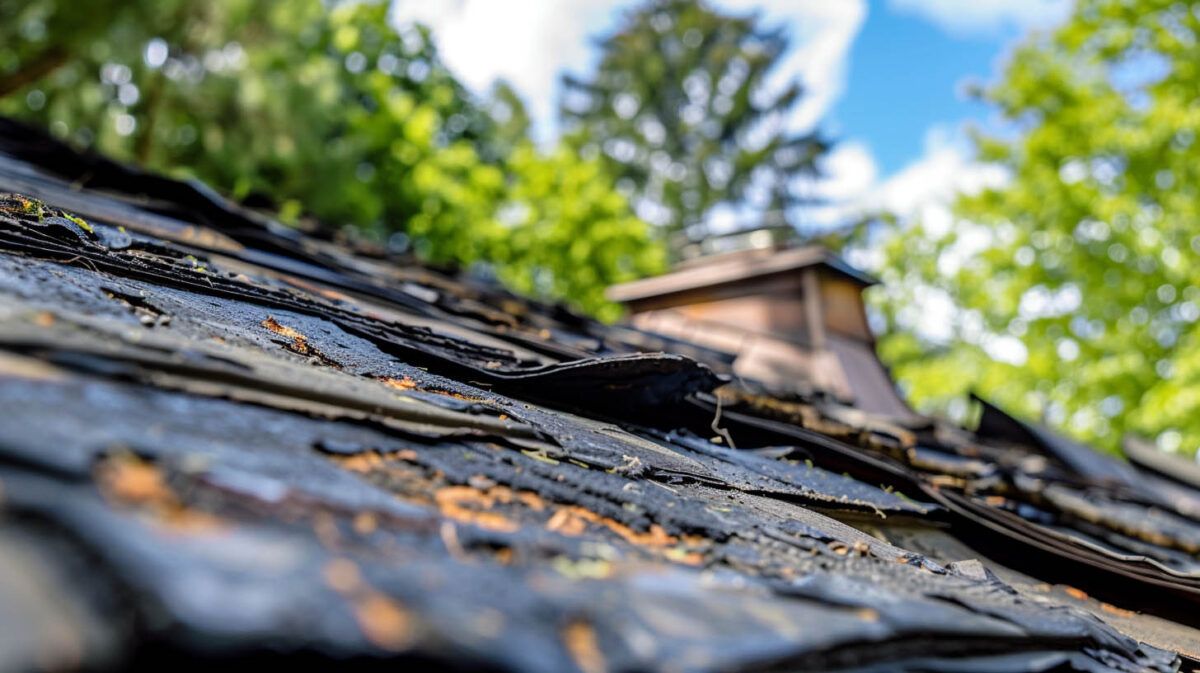
- Missing, curled, or cracked shingles
- Damaged or rusted flashing around chimneys, vents, or skylights
- Debris buildup in roof valleys
- Loose or exposed nails
- Sagging or uneven roof lines
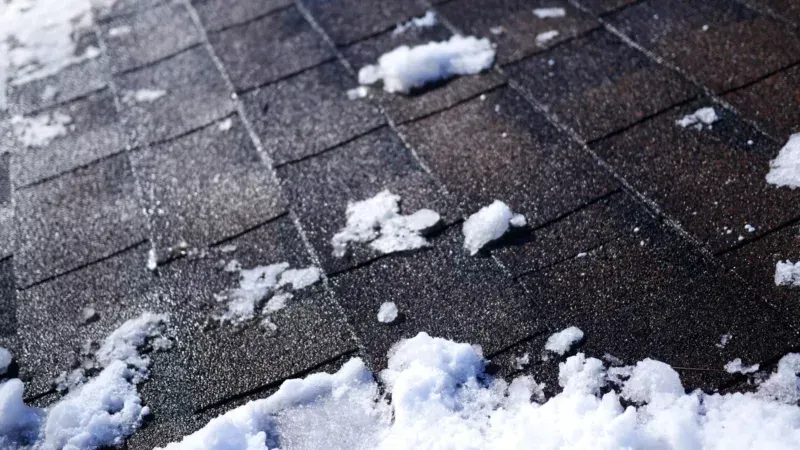
In Troy, MI, seasonal elements like snow and ice dams can push water under shingles and flashing, leading to leaks even if shingles appear intact.
Step 4: Simulate Rain With a Hose Test
If visual inspection doesn’t reveal the source, perform a controlled test. Have someone inside the attic while another person uses a garden hose to spray water over sections of the roof—starting low and gradually working upward.
Spray one section at a time for several minutes. When a drip appears inside, you’ve likely found the source. Be sure to mark the area for repair.
Caution: Avoid this test if your roof is steep, slippery, or damaged. Safety first—consider calling professionals like 180 Contractors Roofing & Siding to perform a leak assessment safely.
Step 5: Check Roof Penetrations and Flashing
Leaks frequently occur where roofing materials intersect with other features:
- Chimneys
- Vent pipes
- Skylights
- Dormers
These penetrations rely on flashing (thin metal pieces) to seal against moisture. Over time, flashing can corrode, crack, or become loose—especially under Michigan’s harsh weather. If flashing is damaged or missing, water can easily enter your home.
Step 6: Inspect Gutters and Downspouts
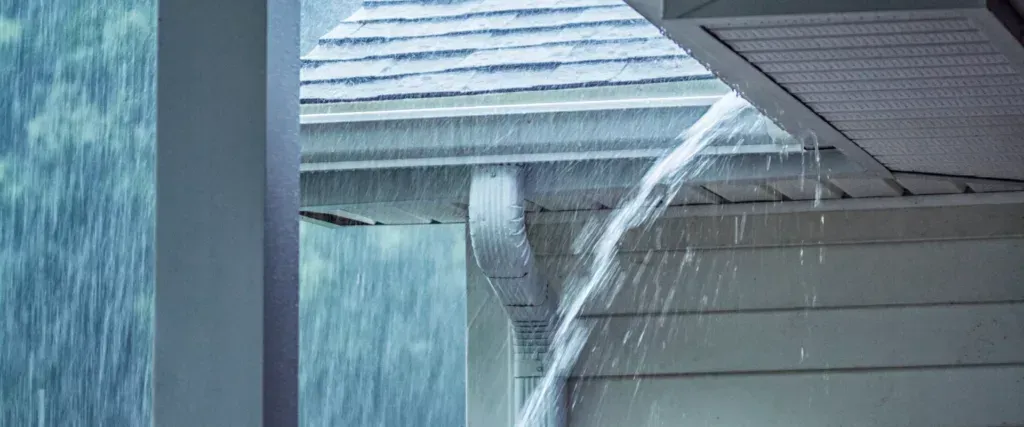
Clogged gutters prevent water from draining off the roof properly. Overflowing water can pool around fascia boards or under shingles, eventually making its way into your attic.
Make sure gutters are clear of leaves and debris and that downspouts are directing water at least 4–6 feet away from the foundation.
Step 7: Call a Professional for Confirmation
Finding a leak is just the first step—confirming its extent and planning repairs requires a professional. Leaks may travel several feet from the source, and what looks like a small issue on the surface may hide deeper structural damage.
180 Contractors Roofing & Siding provides thorough leak assessments, including moisture mapping and drone inspections when needed. We pinpoint the problem and offer honest, reliable repair recommendations.
Step 8: Address the Leak Promptly
Delaying repairs increases the risk of rot, mold, and expensive interior damage. Whether it’s replacing a few shingles, resealing flashing, or repairing underlayment, taking fast action protects your home’s structure and your family’s safety.
We use premium materials from brands like Owens Corning to ensure your repairs last and your roof performs reliably through all seasons.
Preventing Future Leaks
To avoid future issues:
- Schedule annual roof inspections
- Clean gutters regularly
- Ensure attic ventilation is sufficient
- Trim tree limbs away from your roof
Preventive care is your best defense against leaks and long-term roof damage.
Leak-Free Living Starts With Trusted Experts
Finding a roof leak doesn’t have to be a mystery. With the right steps—and the right team—you can identify problems early and resolve them efficiently. 180 Contractors Roofing & Siding has helped hundreds of Troy homeowners locate and fix leaks with speed and precision.
Read also our blog:
Top Reasons to Prioritize Roof Repairs