Living in Waterford, MI, you’re no stranger to extreme weather. From hailstorms and high winds to heavy snow and driving rain, Michigan’s unpredictable climate can wreak havoc on your roof. While some storm damage is obvious—like torn-off shingles or fallen tree limbs—other issues can go undetected until they lead to leaks, mold, or costly repairs.
At
180 Contractors Roofing & Siding, we’ve helped countless Michigan homeowners assess, repair, and recover from storm-related roof damage. In this blog, we’ll explain what storm damage really means for your roof, how to identify different types of damage, and what steps to take to protect your home and your insurance coverage.
The Big 3: Common Storm Threats to Michigan Roofs
Different types of storms cause different kinds of roof damage. In Michigan, three primary weather threats pose ongoing risks to residential roofing systems:
1. Hail
Hailstones as small as a quarter can dent shingles, break sealing strips, and knock off granules that protect asphalt from UV degradation. While damage may not always be visible from the ground, hail often leads to:
- Granule loss (seen as buildup in gutters)
- Soft spots or “bruising” on shingles
- Dented flashing, vents, or metal trim
- Accelerated aging and eventual leaks
2. Wind
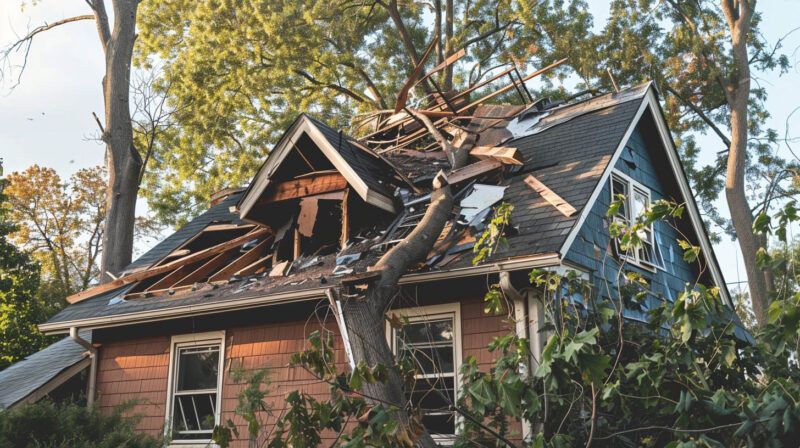
High winds are particularly common during thunderstorms and lake-effect weather systems. Wind damage includes:
- Lifted or missing shingles
- Creased shingle tabs
- Torn flashing or ridge vents
- Debris impact from nearby trees or objects
Wind doesn’t always rip shingles off entirely. Sometimes it loosens them just enough to allow water to seep beneath the surface—an issue that may not reveal itself until months later.
3. Heavy Rain and Snow
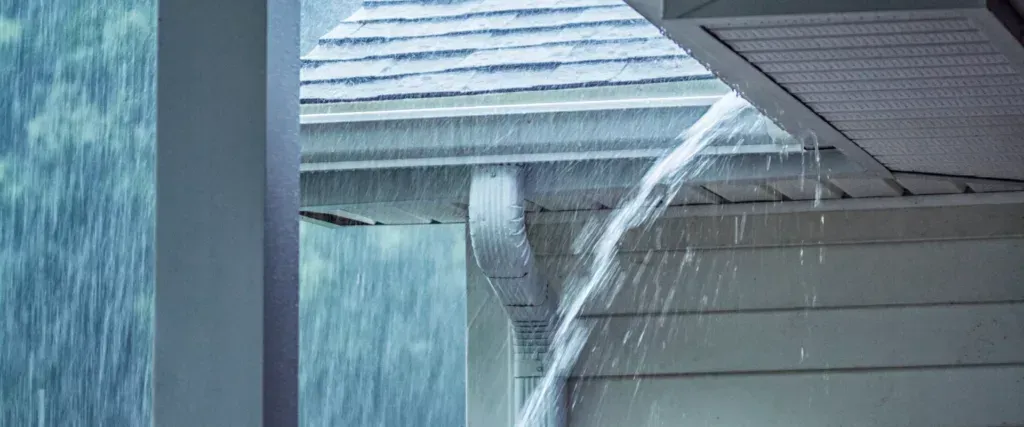
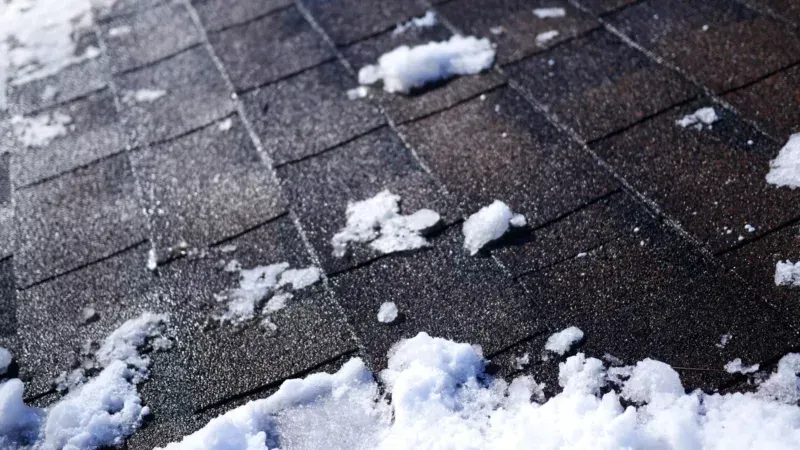
Michigan storms often bring torrential downpours or blizzards. Over time, this leads to:
- Saturated underlayment
- Ice dams that trap water on the roof
- Clogged gutters and water overflow
- Roof deck rot or mold growth in attics
These issues are especially dangerous because they’re cumulative. A roof weakened by past storms may not hold up under a sudden downpour or another layer of snow.
How to Tell If Your Roof Has Been Damaged
Storm damage isn’t always dramatic or obvious. The key to protecting your home is knowing what to look for—and when to bring in a professional.
Visual Signs to Check For:
- Shingles that are cracked, curled, or missing
- Granules accumulating at the base of downspouts
- Bent or dented gutters and metal flashing
- Water stains on ceilings or attic walls
- Damp insulation or musty odors in the attic
- Light shining through roof boards
If you notice any of the above after a storm, you should schedule a professional inspection right away. At 180 Contractors, we offer no-obligation storm damage evaluations that can help you catch problems early—before they become expensive.
Why Quick Action Matters
Storm damage doesn’t just affect your roof’s surface. Left unaddressed, it compromises the structural integrity of your entire roofing system. Water intrusion leads to:
- Rotted wood decking
- Mold growth in attic insulation
- Damaged drywall, flooring, and interior finishes
- Higher energy bills due to poor ventilation and moisture
Even worse, delaying inspection or repairs can jeopardize your insurance coverage. Most homeowner policies require damage to be reported within a certain window—usually 6 to 12 months after the storm.
Insurance Implications: What You Need to Know
When it comes to storm damage, your insurance policy is your first line of financial defense. But navigating claims can be tricky.
Key Insurance Tips:
- Document everything: Take clear photos of damage, both exterior and interior.
- Don’t make permanent repairs before your adjuster visits. Temporary tarp covering is okay.
- Review your policy to understand deductibles and exclusions.
- Get a trusted contractor involved early—your roofer can help you negotiate the claim process.
At 180 Contractors Roofing & Siding, we work directly with insurance adjusters and provide all necessary documentation to support your claim. Our goal is to ensure you get the coverage you deserve with minimal stress.
Why Local Expertise Matters
After a big storm, it’s common for out-of-town “storm chasers” to flood the area offering fast, cheap roof repairs. These contractors often leave behind poor-quality work and disappear before issues arise. That’s why choosing a local, reputable company is crucial.
With years of experience in Waterford and surrounding communities, 180 Contractors Roofing & Siding offers:
- In-depth knowledge of local weather patterns and code requirements
- Prompt, professional service
- Certified installers and fully insured crews
- Long-term warranties and dependable follow-up support
We also use premium roofing materials from Owens Corning, known for their impact resistance, wind durability, and industry-leading warranties.
When a Full Roof Replacement Is Necessary
While not every storm calls for a new roof, certain signs suggest full replacement is the better option:
- Your roof is over 15–20 years old
- Damage is widespread or affects multiple roof planes
- Shingles are lifting, curling, or showing bare patches
- Flashing, vents, and decking are also compromised
Our team will assess the extent of the damage and provide honest, no-pressure recommendations so you can make an informed choice.
Final Thoughts: Don’t Leave Your Roof to Chance
Storm damage in Michigan is a reality—and it’s not going away. But with the right partner and proactive steps, you can minimize risk, avoid unnecessary costs, and protect your home for years to come.
Let 180 Contractors Roofing & Siding help you weather the storm with professional inspections, expert repairs, and full guidance through the insurance process.
Read also our blog:
Understanding the Insurance Pros and Cons of Repair vs. Replacement