Choosing the right siding is one of the most important decisions for a home’s longevity, curb appeal, and overall value. James Hardie siding, also known as Hardie Board, is one of the most popular choices for homeowners looking for a balance of durability, aesthetics, and long-term value. Below, we provide an in-depth analysis of the advantages and disadvantages of James Hardie siding.
What Is James Hardie Siding?
James Hardie siding is a fiber cement siding product made from a blend of Portland cement, sand, water, and cellulose fibers. It is engineered to withstand harsh weather conditions while providing the look of traditional wood siding without the maintenance challenges. Hardie Board is available in a variety of styles, including lap siding, shingles, and vertical panels, making it a versatile option for many architectural designs.
Advantages of James Hardie Siding
Exceptional Durability and Weather Resistance
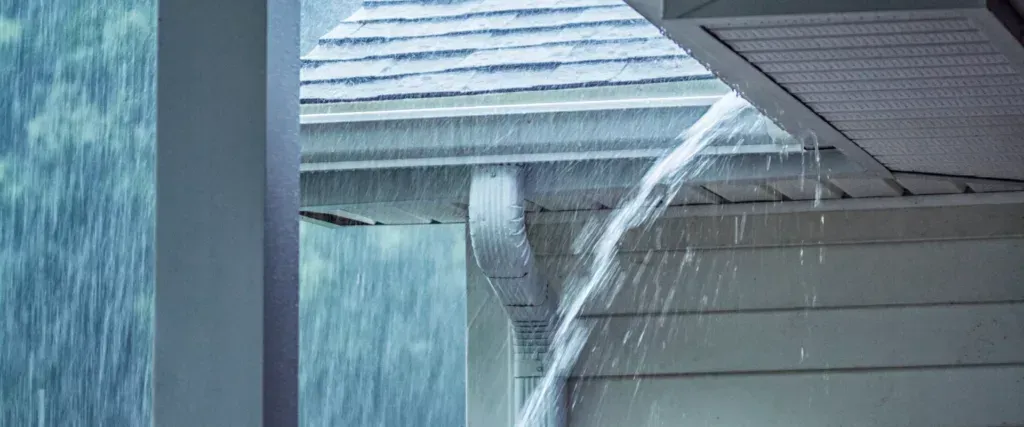
James Hardie siding is designed to withstand extreme weather conditions, including heavy rain, snow, hurricanes, and even wildfires. Its fiber cement composition prevents rotting, warping, and swelling—common issues with traditional wood siding.
- Moisture Resistance:
Unlike wood, Hardie Board does not absorb moisture, preventing mold, mildew, and rot.
- Impact Resistance:
More durable than vinyl or wood, it withstands hail, debris, and strong winds.
- Freeze-Thaw Protection: Unlike stucco or wood, it does not expand and contract significantly in fluctuating temperatures.
Authentic Wood Appearance Without the Maintenance
Hardie Board siding replicates the look of real wood with deep grain textures, making it an excellent alternative for homeowners who want the natural beauty of wood without the upkeep.
- No Wood Decay: Unlike cedar or other wood siding, fiber cement does not attract termites, carpenter ants, or woodpeckers.
- Minimal Upkeep: No need for frequent sanding, staining, or repainting.
- Resists Fading:
Factory-applied ColorPlus® Technology resists UV damage, keeping colors vibrant for years.
Fire Resistance and Safety Benefits
James Hardie siding is non-combustible and has the highest fire rating available for residential siding. Unlike wood, which is highly flammable, or vinyl, which melts under high heat, fiber cement does not contribute to the spread of fire. Many insurance companies offer discounts for homes with Hardie Board siding due to its fire-resistant properties.
Long-Term Cost Savings
Although the upfront cost of Hardie Board siding is higher than vinyl or traditional wood, the long-term savings make it a worthwhile investment.
- Longevity:
Hardie Board lasts 30-50 years with minimal maintenance, far exceeding the lifespan of wood or vinyl siding.
- Fewer Repairs: Resistant to warping, cracking, and pests, it requires fewer repairs over time.
- Higher Resale Value:
Homes with Hardie Board siding tend to have higher resale values due to its durability and premium appearance.
Eco-Friendly and Sustainable
James Hardie siding is made from sustainable materials and is considered an environmentally friendly siding option.
- Reduced Waste:
Long lifespan means fewer replacements, reducing landfill waste.
- Sustainable Manufacturing:
James Hardie uses up to four times less water in production compared to other fiber cement manufacturers.
- Low VOC Emissions:
ColorPlus® Technology reduces the need for on-site painting, limiting volatile organic compound (VOC) emissions.
Disadvantages of James Hardie Siding
Higher Initial Cost Compared to Other Siding Materials
James Hardie siding is more expensive upfront than vinyl and some wood siding options. The cost includes materials, specialized labor for installation, and necessary tools for cutting and securing fiber cement.
- Material Cost: Typically $3-$4 per square foot, more than vinyl but less than natural stone or brick.
- Installation Cost:
Requires skilled labor due to its weight and cutting requirements.
- Return on Investment: Although the initial cost is higher, the long lifespan and reduced maintenance offset the expense over time.
Longer and More Complex Installation Process
Hardie Board siding is significantly heavier than vinyl or wood siding, requiring additional labor and time for installation.
- Labor-Intensive: Requires a team of professionals for proper handling and secure attachment.
- Specialized Cutting Tools: Fiber cement dust can be hazardous, necessitating specialized cutting tools and protective gear.
- Installation Time: The process takes longer than vinyl siding, increasing labor costs.
Repainting Required After 15-20 Years
Although Hardie Board’s ColorPlus® Technology lasts much longer than traditional paint, it may still require repainting over time. However, the need for repainting occurs much less frequently than with wood siding, which requires repainting every 3-5 years.
How James Hardie Siding Compares to Other Siding Options