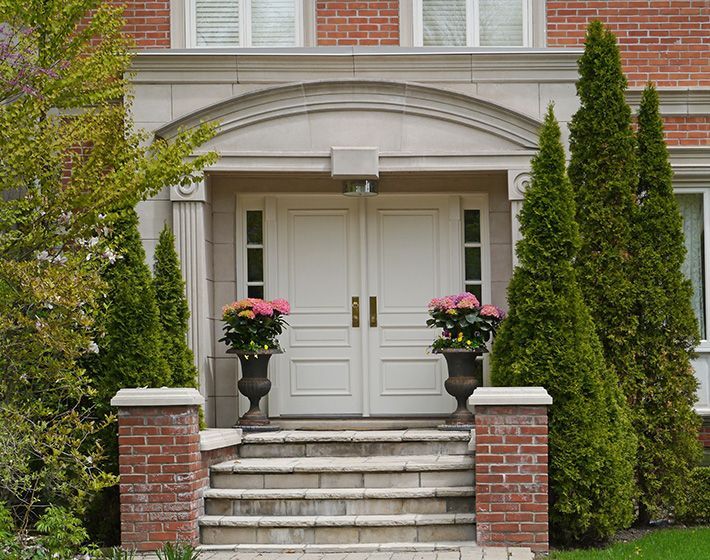
The Importance of Regular Roof Inspections and How to Schedule One

180 Contractors • June 30, 2023

The Benefits of an Annual Roof Inspection

Quick question, reader: have you had your roof inspection done lately? If the answer is no, you may want to get on that sooner rather than later.


See, that roof over your head isn’t just a passive feature. It’s a complex system that plays a crucial role in protecting your home from the elements, keeping it warm and dry, and allowing proper air circulation. To ensure your roof stays reliable and does its job effectively, you need to return the favor and give it the attention it deserves.


The best way to keep your roof in good health is to invest in an annual roof inspection. Not convinced yet? Let’s explore the nine main reasons why annual inspections are well worth your time and investment.


Fast Damage Detection:

Minor roof damage can be challenging to identify and fix without proper knowledge and experience. Left unaddressed, these issues can escalate and cause more significant problems over time. Additionally, certain roofing issues may not be directly related to the roof itself, such as problems with the chimney or skylight windows. A professional roof inspector has the expertise to identify and solve these issues promptly, preventing them from turning into costly and extensive repairs. They can also provide valuable tips to prevent future damage, saving you money in the long run.


Health and Safety:

Inspecting your roof yourself without the necessary roofing knowledge and experience can be risky. The potential for accidents, such as falls from loose shingles, poses a significant safety hazard. To ensure your safety and prevent accidents, it’s best to hire a qualified roofer for the job. They have the expertise to identify roof issues efficiently and use specialized equipment to navigate the roof without causing additional damage.


Proper Drainage:

The drainage system, including gutters, is a critical component of any roof. Its purpose is to divert water and debris away from the roof, preventing damage and leakage. If the drainage system is not functioning correctly, it can cause wear and tear on the roofing material and lead to potential leaks. Signs of drainage issues, such as standing water in gutters or loose downspouts, should not be ignored. Hiring a professional roofer for a thorough inspection can help identify and address these drainage issues effectively.

Increased Value:

While a DIY inspection may seem more cost-effective initially, it can lead to secondary damage and increased expenses in the long run. A licensed roofer can spot issues that may go unnoticed by an untrained eye. They conduct a comprehensive inspection of every aspect of the roof, including vents and flashing, and quickly determine the root cause of any problems. By addressing these issues early on, you can save money on potential future repairs and ensure the long-term value of your property.


Easier Maintenance:

Roofing maintenance involves various tasks, such as cleaning gutters, trimming trees, and removing moss. Falling behind on these tasks can result in a backlog of maintenance work. By consulting with a roofer during an inspection, they can provide guidance and help you create a maintenance schedule tailored to your roof’s specific needs. This approach makes it easier to stay on top of smaller tasks throughout the year, preventing them from piling up and becoming overwhelming.


Simplified Insurance Claims:

After extreme weather conditions like thunderstorms, roofing damage may not immediately reveal itself. Filing an insurance claim without proper documentation of the damage can be challenging. Having a professional inspect your roof after a storm allows them to provide a detailed report outlining the extent of the damage and the estimated repair costs. This report serves as valuable supporting evidence when filing an insurance claim, making the process smoother and increasing your chances of a successful claim.


Compliance with Insurance Requirements:

Some insurance policies require regular roof inspections as a condition of coverage. By scheduling annual inspections, you can ensure compliance with your insurance policy’s requirements, maintaining the validity of your coverage and avoiding any potential disputes or limitations in the event of a claim.


Performance Check: While roofing materials have estimated lifespans, other factors can influence a roof’s longevity, such as sun exposure and ventilation issues. Investing in an annual roof inspection allows you to understand your roof’s performance and the factors that impact its lifespan. With this knowledge, you can take proactive steps to address any issues and ensure your roof’s optimal performance and longevity.


Warranty Protection:

Even if your roof is relatively new, an annual inspection is necessary to maintain the validity of your roof warranty. Most warranties require homeowners to invest in regular inspections to ensure proper maintenance. It’s crucial to review your warranty for any specific requirements, such as recommended maintenance guidelines, to fulfill your obligations and preserve the warranty’s coverage.


Peace of Mind:

Dealing with roofing issues can be stressful, particularly during the storm season. Constantly worrying about leaks, broken shingles, and potential damage can take a toll. Hiring an expert to inspect your roof brings peace of mind. They can thoroughly assess your roof’s condition, identify potential issues, and provide recommendations for necessary repairs or maintenance. With this information, you can plan and address roof repairs with confidence, knowing that you are taking the right steps to maintain the health and integrity of your roof.


Don’t neglect the importance of an annual roof inspection. By investing in this preventive measure, you can enjoy the benefits of early damage detection, improved safety, proper drainage, increased property value, simplified insurance claims, easier maintenance, performance evaluation, warranty protection, and peace of mind. Schedule a roof inspection today to ensure your roof remains in top condition and continues to protect your home for years to come.


Energy Efficiency:

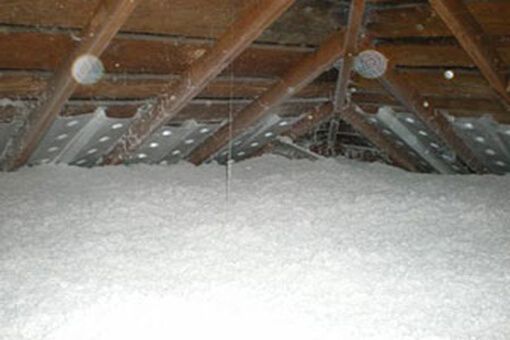
A well-maintained roof plays a crucial role in energy efficiency. During the inspection, a professional roofer can identify areas where heat or cool air may be escaping, such as gaps in insulation or damaged seals. By addressing these issues, you can improve your home’s energy efficiency, resulting in potential cost savings on heating and cooling bills.

Attic Insulation inspected during roof inspection by 180 Contractors

Early Detection of Pest Infestations:

A roof inspection can also reveal signs of pest infestations, such as nesting materials or droppings. Birds, squirrels, raccoons, and other animals may find their way into your attic or roofing structure, causing damage and health hazards. Identifying these infestations early allows you to take appropriate measures to remove pests and prevent further damage.


Protection of Home Interior and Belongings:

A well-maintained roof acts as a strong barrier against external elements. Regular inspections help ensure that your roof remains intact and protects your home interior and belongings from water leaks, mold growth, and structural damage. By addressing any issues promptly, you can prevent costly repairs to your home’s interior and protect your valuable possessions.


Extended Lifespan of Your Roof From Roof Inspections:

Routine inspections and timely repairs help extend the lifespan of your roof. By identifying and addressing minor issues early, you can prevent them from progressing into more significant problems that may require a full roof replacement. A well-maintained roof can serve you for many years, providing reliable protection for your home.


Expert Advice and Recommendations:

During a roof inspection, professional roofers can offer valuable advice and recommendations tailored to your specific roof and circumstances. They can provide guidance on maintenance practices, ventilation improvements, and other measures to enhance the longevity and performance of your roof. This expert insight can help you make informed decisions regarding the care and maintenance of your roof.


Schedule a Roof Inspection Today!

At the end of the day, a roof inspection comes with many benefits. On top of practicing roof safety, annual inspections save you time, money, and effort. Of course, this is only true if you hire the right company for the job.


Looking for a reliable roofing contractor in the Michigan area? Our licensed experts at 180 Contractors can take care of all your roofing needs! Contact us right here for a free roofing estimate or other inquiries.

GET A FREE QUOTE

Share this article

Recent Posts

By 180 Contractors July 25, 2026
Roof Ventilation 101 Roof ventilation includes ensuring that proper flow of air takes place in your roof. This is achieved mostly with the help of roof vents or attic vents. Roof ventilation is as important as kitchen ventilation or bathroom ventilation. When a problem arises in any of these vents, a host of issues come about and cause unnecessary trouble. Similarly, if your house lacks proper roof ventilation, then it is only a matter of time before you start to face some grave consequences. If you’re new to this whole topic of roof venting, then don’t worry. In this blog we’re going to discuss in depth about the importance of roof ventilation, conditions that clearly depict that your roof has an inadequate roof ventilation system and all the types of roof vents that are available for you to choose from. Importance of Roof Ventilation: Roof Ventilation In Summers- Warm air rises up and causes the roof deck of your house to heat up. If your roof lacks proper ventilation, then this built-up air will warm the ceilings of your house too, in turn increasing the temperature of the rooms of your house. If there is heat exposure from the interiors of your roof, for a prolonged time then the roofing shingles will age faster than they are supposed to and this will considerably decrease the lifespan of your roof. If your roof gets heated up then the trapped air inside your attic will transfer the heat to the interior rooms of your house and will force you to use air conditioning systems resulting in high utility costs. Roof Ventilation In Winters- Warm air that is trapped in the attic condenses on colder surfaces resulting in the formation of little water droplets that make your attic dampen and moist. The interior of your roof can get severely affected owing to the excess moisture content in your attic. This will lead to the formation of mold and mildew as these fungi thrive in cold and damp areas that do not receive enough sunlight. Warm air in the attic will cause snow on the rooftop to melt at different time spans leading to uneven roof surface temperatures. Snow collected at the top of the roof will melt faster than the snow load at the edges of the roof and this will form highly problematic ice dams. How to Understand that your Roof Ventilation isn’t Functioning Well? Formation of Frost on Wooden Beams Frost is an important sign that depicts poor roof ventilation system. If you notice frost appearing in the underside of your roof shingles and in your attic then it is due to the moisture stuck in your attic that is unable to filter out because of poor ventilation. Damp Insulation If you find that your house is warmer in summers and colder in winters then it is probably due to your ill-functioning insulation. To do its work properly, your insulation needs to stay fluffy and damp-free. Accumulation of moisture in the attic due to inadequate attic ventilation is the main cause behind roof insulation not working as it should. Ice-dams on the Roof If there is formation of icicles on the edge of your roof during winters, then it is an alarming reminder that your roof ventilation is done in a poor way. Because of improper attic ventilation, the surface of your roof gets heated up at dissimilar intensities. The areas of your roof that are directly in contact with the warm air rising from the inside, will grow warmer and cause the snow to melt faster. Whereas the snow at the edge will take a prolonged time to melt. This will give rise to ice dams on your roof. Molten ice will get clogged and infiltrate your roof shingles causing them to rot and swell up. Types of Roof Vents Available: Box Vent- These vents resemble a box and are installed at the top of the roof to ensure that the hot air rising from within gets vented out through these. A single box vent does not take up much space and is comparatively smaller in size; depending on the surface area of your roof, you might need to install more than one box vents to ensure proper roof ventilation. View all types of roof vents available here. Ridge Vent- These vents have a low profile which makes it almost impossible to spot from afar. These are placed at the top of your roof, preferably along the ridgeline. Since these are placed like a stationary hinge, it lets the warm air vent out of the attic from the minute gap where two slopes of your roof meet. This ridge is big enough for the air to pass out but it prevents rain and critters from getting inside your attic. Soffit Vent- Unlike the ridge vents and box vents, Soffit vents are placed at the bottom of the roof, underneath the eaves. Soffit vents can be installed on their own to ensure attic ventilation but these work better when installed in combination with box vents or ridge vents. Power Vent- These vents as the name suggests, requires electric supply to function properly. These are wired with your home’s electrical system but can run on solar panels too. Since these lead to added energy investments, a homeowner must ensure that these are not running when there isn’t any need for it. A thermometer and a humidistat can help you understand when your power vents need to be switched on. Turbine Vent- If you live in a windy climate, then this roof ventilation system is your best option. With heavy wind, the turbine attached to these vents spin really hard moving warm air out of the attic. A lot of homeowners end up taking their roof ventilation for granted. If left unattended, roof ventilation problems can lead to far bigger problems which can end up damaging your whole roof and forcing you to go for a roof replacement. Avoid such situations and go for any of these roof vents that are mentioned above and you wouldn’t need to worry about your attic ventilation ever again. Contact Michigan’s premier roofing company to consult about roof ventilation options here.
Aerial view of a large blue-gray house with dormer windows and a landscaped yard in autumn
By 180 Contractors May 14, 2026
Your roof works silently year after year, shielding your home from rain, wind, sun, and snow. But like every part of your home, it doesn’t last forever. The key is knowing when repair is no longer enough—and a full roof replacement is the smarter, safer move. For homeowners in Bloomfield Hills, MI, where intense season
Rainwater pouring from a house roof and gutter during a storm
By 180 Contractors April 13, 2026
Michigan weather can be tough on homes, especially when it comes to your roof. From heavy snow in the winter to strong thunderstorms in the summer, each season brings conditions that can wear down roofing materials over time. Knowing how these storms affect your roof can help you catch problems early and avoid more ser