The Critical Role of Underlayment in Metal Roofing Systems

180 Contractors • August 27, 2025
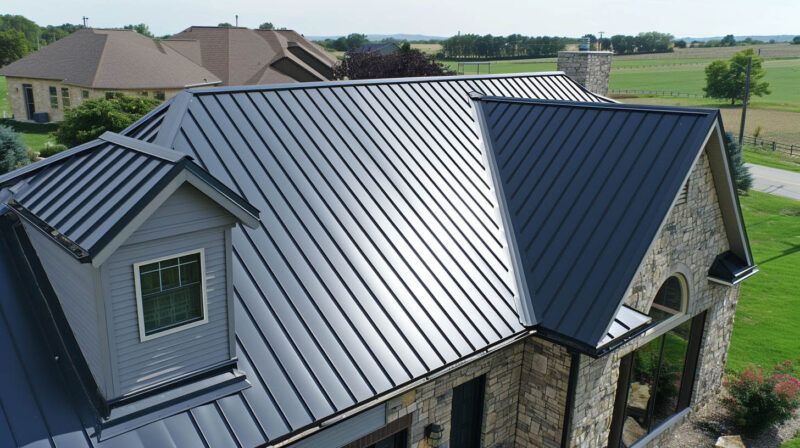
Metal gray standing-seam roof on a stone house in a rural setting, viewed from above

When it comes to a metal roof, the spotlight typically falls on the gleaming metal panels. However, one unsung hero plays an equally crucial role—the roof underlayment. This hidden yet vital layer forms the backbone of your roof system, providing a secondary defense against water, weather, and other potential hazards. At 180 Contractors Roofing & Siding in Bloomfield Hills, MI, we understand how essential the right option is for safeguarding your home. Our certificates include Owens Corning Preferred, CertainTeed Shingle Master, BBB A+ accredited, Guildmaster (Guildquality), INC 5000, Google Guaranteed, and Qualified Remodeler top 100 satisfaction. Let’s explore why it’s so significant, especially for Michigan’s dynamic climate.


What Is Underlayment in Metal Roofing Systems?

Roof underlayment is a water-resistant or waterproof layer installed directly onto the roof deck before adding the final roofing material. This essential component acts as a barrier between your roof deck and metal roofing, preventing water infiltration and protecting your home from weather damage.


In metal roofing systems, underlayment is indispensable for ensuring the roof performs optimally. It shields the roof deck while enhancing the structural integrity of the roofing system. Without this critical layer, even minor leaks or moisture buildup could lead to costly repairs and structural damage over time.


Key Functions of Roof Underlayment

The primary function of underlayment is to protect against water infiltration, acting as the first defense to keep your roof deck dry even during heavy rain or strong winds.


It also prevents moisture buildup that can weaken roof sheathing and promote mold, particularly critical for metal roofing systems, which may not fully stop condensation. Underlayment serves as a buffer, ensuring the system remains dry.


Moreover, it enhances the roof’s stability and cushioning by distributing stress evenly, prolonging its lifespan. In short, underlayment is essential for a durable, long-lasting roof.

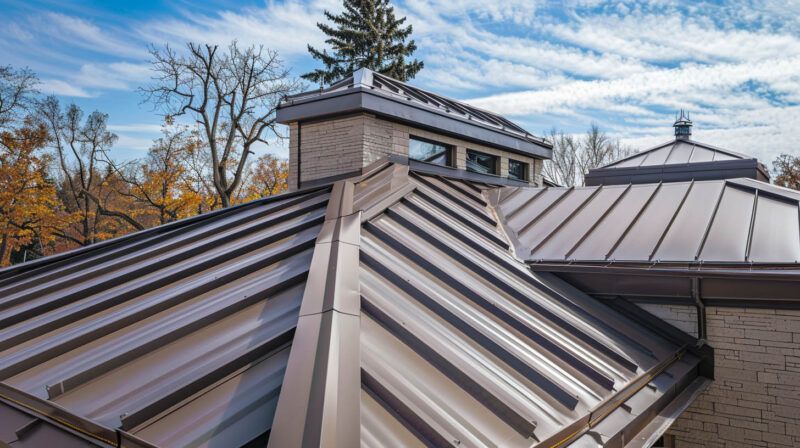
Metal rooftop with skylights and chimney under a blue sky, surrounded by autumn trees

Differences Between Underlayment and Other Roofing Layers

A metal roofing system consists of several distinct layers, each serving a specific function:

  • Roof Underlayment: This layer sits directly on the roof deck, acting as a water-resistant or waterproof barrier.
  • Final Roofing Material: The top layer, made of metal panels or shingles, offers primary protection against weather elements.
  • Air Barrier & Vapor Retarder: These optional layers help reduce thermal transfer and control moisture diffusion but do not replace underlayment.


Unlike the exposed final covering that faces UV rays and heavy rain, underlayment remains shielded, providing essential backup protection. It also mitigates unseen threats like moisture buildup on the roof deck, enhancing the overall health of your roofing system.


Types of Underlayment for Metal Roofs

Not all underlayments are the same, and selecting the right type depends on your roofing needs and weather conditions. For modern metal roofs, there are three main types to consider: felt, synthetic, and rubberized asphalt options.


Each type offers distinct durability, water resistance, and ease of installation. For example, traditional felt is budget-friendly but less durable, while synthetic options provide enhanced performance. Sturdier rubberized asphalt underlayments excel in harsh climates like Michigan’s, offering exceptional protection and long-lasting reliability for your metal roofing system.


Synthetic vs. Felt Underlayment: Pros and Cons

Choosing between synthetic and felt underlayment greatly affects metal roofing performance. Synthetic underlayment offers superior water resistance, durability, and lightweight installation, but comes with a higher initial cost.


Conversely, traditional felt is more economical and provides adequate protection, though it may be prone to moisture buildup and lacks the longevity of synthetic options. Understanding the pros and cons of each is essential for homeowners and contractors to select the best underlayment that meets building codes and enhances roof longevity.

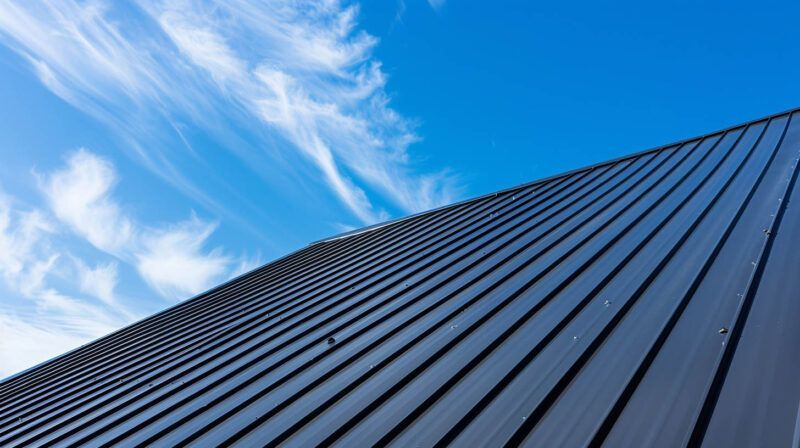
Dark blue metal roof with diagonal ridges against a bright blue sky with wispy clouds

Specialized Options: Rubberized Asphalt and Ice & Water Shields

For superior performance, rubberized asphalt underlayment and ice & water shields deliver exceptional waterproofing. Rubberized asphalt, made from rubber polymers mixed with asphalt, has self-sealing properties that prevent water infiltration, even when punctured.


Ice & water shields provide extra protection in critical areas like roof eaves and valleys, essential for Michigan’s heavy snow conditions that can lead to ice dams and leaks.


Both options excel in extreme weather, ensuring maximum water resistance and structural integrity. Investing in these premium options ensures your roofing system withstands harsh climates.


Why Underlayment Matters in Michigan’s Climate

Michigan homeowners face extreme weather conditions, from heavy rainfall in spring to icy winters. Roof underlayment acts as your roof’s insurance policy against these challenges. It adds a layer of defense beneath the metal roofing system, minimizing the risks of water damage and leaks.


In regions prone to ice dams and high winds, underlayment shields your home from severe elements. Its role becomes even more essential in ensuring your roof remains durable and functional against the unpredictability of Michigan’s climate.


Protection Against Moisture and Harsh Weather

Water damage, ice dams, and harsh weather can compromise even the best metal roofing systems. It protects the roof deck from water infiltration, preventing leaks before they escalate.


Ice dams, formed when melting snow refreezes along roof edges, pose a significant winter threat in Michigan. An added water barrier prevents trapped water from entering your home, safeguarding your property during cold months.


High winds and heavy rainfall are also common in Michigan. Without proper underlayment, metal panels may struggle against these conditions. It provides an extra layer of resilience, giving homeowners peace of mind during severe weather.

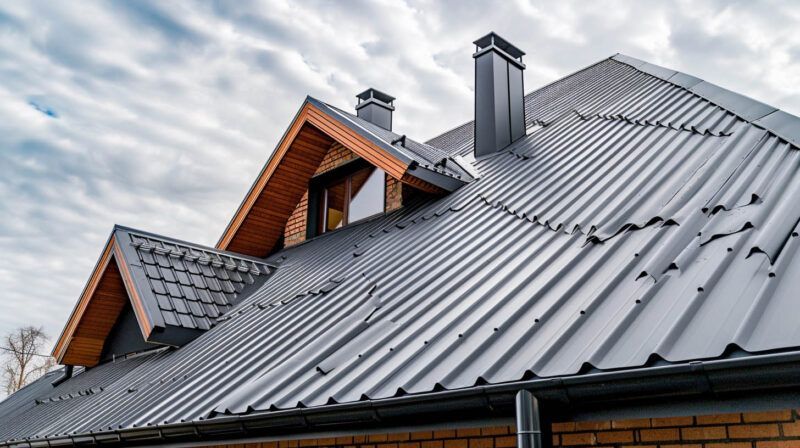
Snow-dusted metal roof with gray panels and brick dormers under a cloudy sky

Enhancing Roof Longevity and Energy Efficiency

Underlayment protects your roofing system while enhancing energy efficiency and lifespan. It provides insulation, reducing summer heat gain and winter heat loss, ensuring year-round comfort.


This layer improves HVAC efficiency, potentially lowering energy costs. It also cushions metal panels, distributing stress and minimizing wear and tear.


Opting for high-quality option and proper installation maximizes your roof’s life. With reduced water damage risks and improved insulation, you gain peace of mind from a durable, energy-efficient roofing system.


Connect with Us

In summary, underlayment is crucial for the performance and longevity of metal roofing systems, especially in Michigan’s climate. It protects against moisture, ice dams, and severe weather, ensuring your roof remains secure and efficient. Choosing the right underlayment—synthetic, felt, or specialized—can enhance durability and energy efficiency. At 180 Contractors Roofing & Siding, we prioritize integrity and quality in our services. If you’re considering metal roofing or need advice on underlayment options, contact us today for expert assistance!


Frequently Asked Questions

How does underlayment prevent leaks and moisture damage?

It acts as a protective shield against water infiltration. It creates a water-resistant layer over the deck, stopping leaks, moisture buildup, and water damage. Its waterproof properties ensure that even if the outer roof material is compromised, your home remains safeguarded.


How long does metal roof underlayment last?

The lifespan of metal roof underlayment depends on factors like material quality, weather exposure, and professional installation. Premium options can last as long as the roof itself—up to 50 years—when maintained properly. Consulting a trusted contractor ensures maximum performance and durability.


Read our blog: Eco‑Friendly Coatings for Metal Roofs: Options and Benefits

GET A FREE QUOTE

Share this article

Recent Posts

Aerial view of a large blue-gray house with dormer windows and a landscaped yard in autumn
By 180 Contractors May 14, 2026
Your roof works silently year after year, shielding your home from rain, wind, sun, and snow. But like every part of your home, it doesn’t last forever. The key is knowing when repair is no longer enough—and a full roof replacement is the smarter, safer move. For homeowners in Bloomfield Hills, MI, where intense season
Rainwater pouring from a house roof and gutter during a storm
By 180 Contractors April 13, 2026
Michigan weather can be tough on homes, especially when it comes to your roof. From heavy snow in the winter to strong thunderstorms in the summer, each season brings conditions that can wear down roofing materials over time. Knowing how these storms affect your roof can help you catch problems early and avoid more ser
Snow piled on a dark shingled roof, with scattered patches of snow across the surface.
By 180 Contractors March 3, 2026
If you’ve lived through a Michigan winter, you know your roof takes a beating. Between heavy snowfall, freezing rain, fluctuating temperatures, and strong winds, winter weather can quietly wear down even a well-built roofing system. By the time spring arrives, many homeowners are surprised to learn that damage has alre