When people think about roofing, they often focus on shingles, flashing, or gutters. But there’s one vital component that often goes unnoticed—ventilation. Proper roof ventilation isn’t just a technical detail; it plays a key role in the health and efficiency of your entire home. In a place like Waterford, MI, where homes endure cold winters, humid summers, and seasonal storms, ventilation is more than just a good idea—it’s a necessity. In this blog, we’ll uncover the hidden benefits of roof ventilation and explain why it should never be overlooked.
What Is Roof Ventilation?
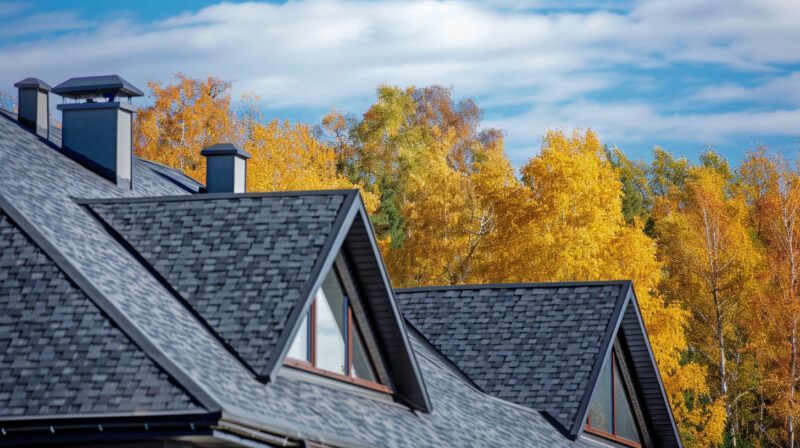
Roof ventilation refers to a system of intake and exhaust vents that allow air to flow through your attic space. A balanced ventilation system brings in cooler, dry air through intake vents (usually at the eaves or soffits) and pushes out warm, moist air through exhaust vents (typically located near the ridge of the roof).
This constant airflow helps regulate temperature and moisture levels in your attic, directly impacting everything from your energy bills to your roof’s lifespan.
1. Extends Roof Lifespan
Poor ventilation traps hot, moist air in your attic, which can bake your roofing materials from the inside out. Over time, this accelerates the breakdown of shingles, underlayment, and decking. A well-ventilated roof stays cooler in summer and drier in winter, allowing materials to last longer and reducing the likelihood of premature failure.
2. Prevents Ice Dams
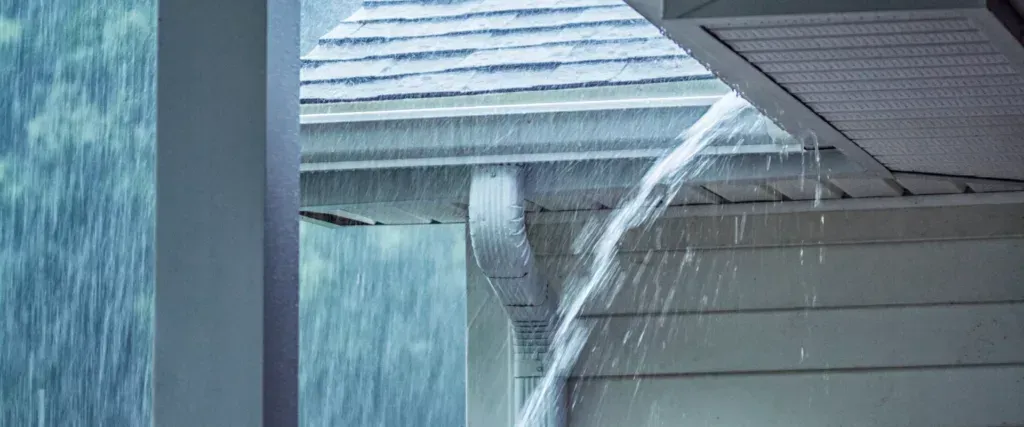
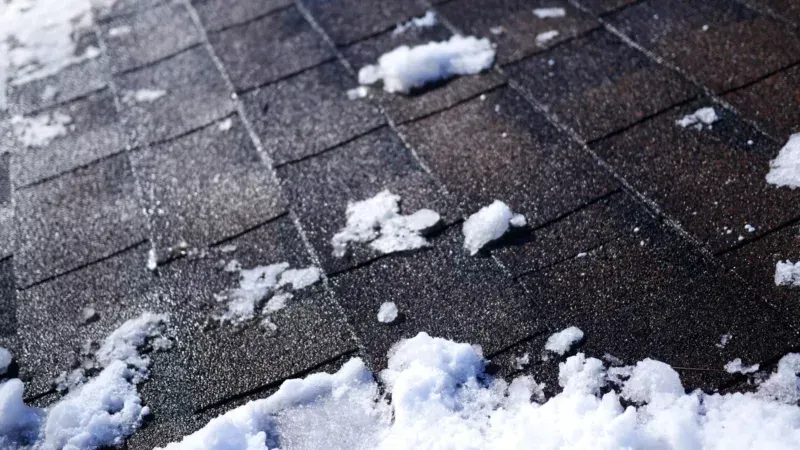
Michigan winters bring freezing temperatures and heavy snow, which can lead to a common problem: ice dams. These form when warm attic air melts snow on the roof, which then refreezes at the eaves, creating a dam that traps water.
Proper ventilation keeps attic temperatures closer to the outside temperature, preventing uneven melting and reducing the risk of damaging ice dams along your roof edges.
3. Reduces Energy Bills
In the summer, attics without ventilation can reach temperatures well over 130°F. That heat radiates into your living spaces, making your air conditioner work harder and increasing energy consumption.
With good ventilation, hot air escapes before it builds up, easing the load on your cooling system. It’s a simple yet effective way to enhance your home’s energy efficiency and reduce monthly utility bills.
4. Protects Insulation and Structural Components
Moisture is one of the biggest enemies of a home’s structure. Without ventilation, humid air in your attic can condense on surfaces, leading to:
- Mold and mildew growth
- Rotting roof decking
- Damaged insulation
- Deterioration of rafters and joists
Once insulation gets damp, it loses its effectiveness—meaning your heating and cooling systems have to work even harder. Roof ventilation helps keep everything dry and structurally sound.
5. Improves Indoor Air Quality
A poorly ventilated attic can become a breeding ground for mold spores, which may eventually make their way into your HVAC system and living spaces. Balanced airflow reduces the presence of airborne contaminants and supports healthier indoor air—especially important for families with allergies or asthma.
6. Helps Your Roof Warranty Stay Valid
Many roofing manufacturers, including Owens Corning, require proper ventilation to validate their warranty coverage. Without it, even the best shingles may be disqualified from warranty protection due to heat or moisture-related failures.
That means investing in roof ventilation isn’t just smart—it’s also essential for protecting your roofing investment over time.
How to Know If Your Roof Is Properly Ventilated
You may have poor ventilation if you notice:
- Uneven temperatures in your home
- Excessive attic heat in the summer
- Ice dams in winter
- Musty odors from the attic
- Mold or damp insulation
A professional inspection can determine whether your ventilation is balanced and functioning correctly.
Trust Local Experts for Ventilation Upgrades
At
180 Contractors Roofing & Siding, we help homeowners in Waterford improve attic ventilation as part of a complete roofing system. Whether you’re installing a new roof or just want to enhance your current one, we evaluate your home’s airflow and install the right combination of ridge vents, soffit vents, and attic fans for optimal performance.
As a certified Owens Corning Preferred Contractor, we design roofs that are built to last—and breathe. Our systems are engineered for Michigan’s climate and come backed by leading warranties and expert installation.
Read also our blog:
Picking the Right Roofing Material for Your Home
Final Thoughts
The best roofs aren’t just built—they’re ventilated. Roof ventilation may be hidden, but its impact is anything but invisible. It affects your roof’s durability, your home’s energy use, your indoor air quality, and your long-term costs. If you’re unsure whether your roof is breathing properly, a quick inspection today could save you thousands tomorrow.