Understanding the Lifespan of Vinyl Siding in Residential Properties

180 Contractors • March 3, 2023

Homeowners often grapple with a crucial question concerning their property’s exterior: “how often should vinyl siding be replaced?” In this post, we will deeply explore this query, shedding light on the lifecycle of vinyl siding in residential properties and providing you with an in-depth understanding of the matter. We aim to arm you with comprehensive knowledge so you can make the best decision for your home. So, let’s peel back the layers and delve in! Vinyl siding is an excellent low-maintenance solution for ensuring your home’s exterior lasts for years. Here, we look at the lifespan of vinyl siding in residential properties and tips on determining how often should vinyl siding be replaced. Let’s dive in!


Understanding Vinyl Siding and its Perks

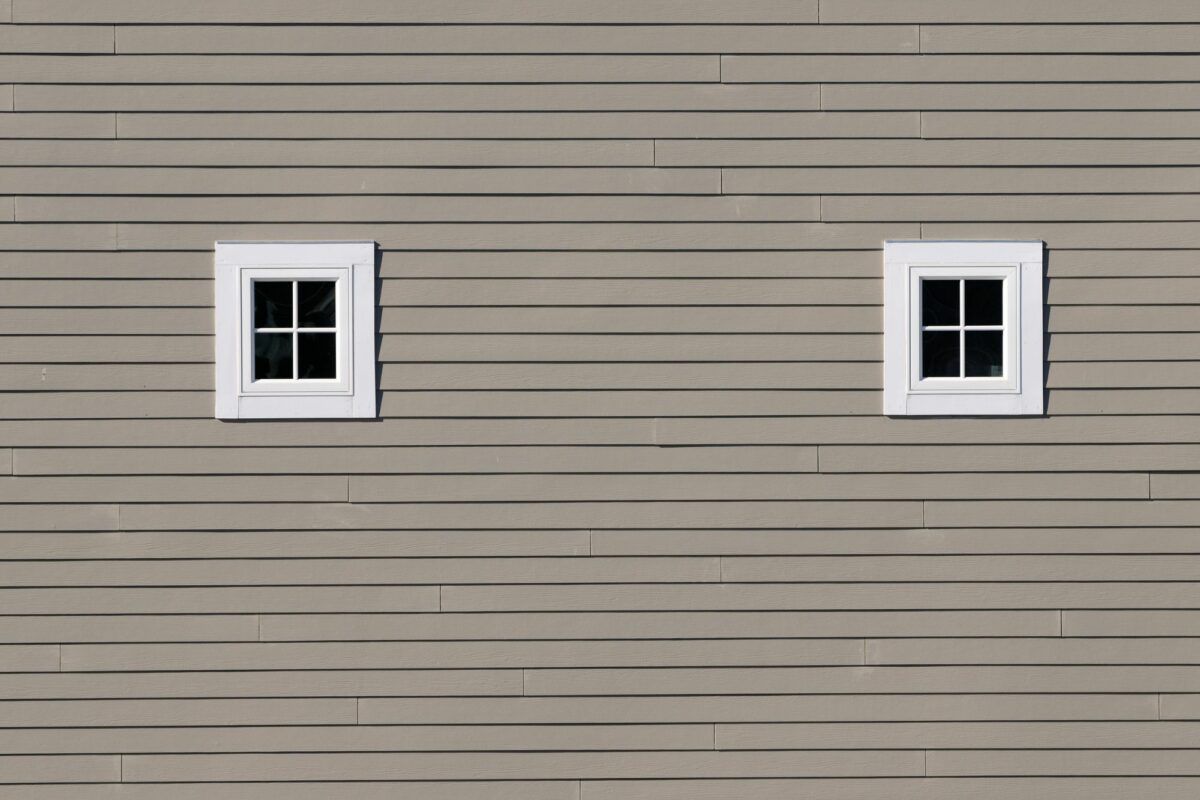
Commonly found on homes across Michigan and beyond, vinyl siding is a much-lauded choice for exterior cladding. Created from polyvinyl chloride (PVC), this type of siding is molded into a plethora of shapes and sizes, skillfully mimicking the aesthetic appeal of wood.


Minimal Maintenance

One of the standout virtues of vinyl siding lies in its negligible maintenance demands. The shortcomings of wood siding, such as vulnerability to rot, warping, and weather-induced damage, often result in hefty repair bills and a considerable investment of time. Vinyl siding sidesteps these issues with its superior durability, offering robust resistance to severe weather conditions and thereby eliminating frequent maintenance. The low upkeep allows homeowners to breathe a sigh of relief, knowing their time and money won’t be drained by their home’s exterior.


Versatility at Its Best

With an extensive variety of colors, styles, and textures at its disposal, vinyl siding provides homeowners with unparalleled versatility. Be it a traditional or contemporary aesthetic you desire, there’s a vinyl siding option to fit your unique vision. Adding to its appeal, vinyl siding can emulate the look of natural wood, stone, or even brick. This flexibility allows homeowners to enjoy the appearance of these materials without incurring their high costs or dealing with their demanding maintenance.


Installation Ease

The process of installing vinyl siding is simple and straightforward, contributing to its cost-effectiveness. Due to its lightweight design, vinyl siding installation is swift, reducing labor costs and cutting down on the overall project duration. This prompt installation also minimizes the disruptions to the homeowner’s daily routine that are often associated with extensive renovation tasks.


How Often Should Vinyl Siding Be Replaced? The Average Lifespan of Vinyl Siding

The average lifespan of vinyl siding is between 20 and 40 years, but this can vary depending on several factors, including the quality of the siding, the climate, and the amount of maintenance it receives. For example, high-quality vinyl siding can last up to 40 years or more, while lower-quality siding may only last 20 years or less.


Similarly, homes in areas with harsh weather conditions, such as strong winds or heavy rainfall, may experience a shorter lifespan for their vinyl siding compared to homes in milder climates. You can also extend the lifespan of your vinyl siding with regular maintenance, such as cleaning the siding and fixing any cracks or holes.


Delving Deeper into the Lifespan of Vinyl Siding

Let’s now focus on what influences the lifespan of vinyl siding and how to ensure it lasts for as long as possible. The longevity of vinyl siding is determined by a myriad of factors, including its quality, the region’s climate, and the amount of maintenance it receives.


The quality of the vinyl siding has a direct bearing on its lifespan. High-grade vinyl siding, although might seem pricier upfront, provides greater longevity, potentially serving you for 40 years or more. On the other hand, a more economical option might only last about 20 years. As with many things in life, you often get what you pay for, and this is certainly the case when it comes to vinyl siding.


Climate

Climate is another major player in the lifespan of your vinyl siding. If you live in a region frequently subjected to harsh weather conditions, such as heavy snow, intense heat, or strong winds, your vinyl siding may not last as long as it would in a more temperate climate. The elements can cause physical damage to the siding over time and may accelerate the fading of its color.


Maintenance

Maintenance, or the lack thereof, can significantly impact your siding’s lifespan. Vinyl siding, despite being dubbed as low maintenance, isn’t a no-maintenance solution. It needs periodic cleaning to prevent the build-up of dirt, grime, and mildew that can cause it to degrade over time. Also, any damages such as cracks or holes need to be promptly repaired to prevent moisture from seeping in, leading to potential mold growth and structural damage.


Navigating the Signs that Vinyl Siding Should Be Replaced As your vinyl siding ages, it will inevitably show signs of wear and tear. Being vigilant and aware of these symptoms can help you preemptively address them before they escalate into larger issues.


Warped or Buckling

Warped or buckled siding is a clear sign that your vinyl siding is approaching the end of its lifespan. This warping could be due to prolonged exposure to the sun or fluctuating temperatures causing the siding to expand and contract.


Cracks & Holes

Cracks, holes, or any form of physical damage on your vinyl siding should raise a red flag. Not only do these damages impair the aesthetic appeal of your home, but they can also pave the way for moisture to infiltrate your home, leading to mold, rot, and other structural issues.


Fading

Fading is another indicator that your vinyl siding may need replacement. Vinyl siding is designed to hold its color for the entirety of its lifespan. If the color begins to fade, it may suggest that the siding’s lifespan is nearing its end.


Furthermore, if you notice a sudden spike in your energy bills, it might be an indication that your vinyl siding is losing its insulating properties. Replacing it can restore your home’s energy efficiency and bring your utility bills back down.


Elevating Vinyl Siding’s Lifespan with Regular Maintenance Although vinyl siding is praised for its low maintenance requirements, regular upkeep is still necessary to maximize its lifespan. Basic cleaning with a soft brush and a gentle cleaning solution can go a long way in keeping your siding looking new and preventing grime build-up.


Immediate repair of any damage, no matter how minor, is crucial. Small cracks and holes can widen over time, leading to bigger issues such as water seepage and structural damage.


Taking a Proactive Approach to Vinyl Siding Replacement

Addressing issues with your vinyl siding early in their development can significantly help to avert further, more serious complications down the line. It is indeed possible for smaller issues to be resolved without the need for a full siding replacement. However, the appearance of any signs of damage can often indicate a deeper problem, potentially pointing to an aging or failing siding system.


For instance, warping and buckling, while visually unattractive, can also compromise the siding’s structural integrity, leading to poor insulation and an increased vulnerability to weather conditions. Cracks and holes, no matter how small, can allow water to seep into your home’s structure, leading to damaging and costly issues like mold growth and wood rot.


On top of these, faded siding may also hint at the material’s degradation. As vinyl siding is designed to hold its color for the entirety of its lifespan, noticeable fading may indicate that the siding has been compromised and its protective qualities are failing.


Early detection and intervention offer numerous advantages. Here are some reasons why you should consider replacing your siding early in the issue-finding stages:

  1. Prevent Progressive Damage: Minor siding damage, if not addressed promptly, can progress into a major issue. For instance, a small hole or crack can allow moisture to penetrate, which can lead to extensive structural damage over time.
  2. Maintain Aesthetic Appeal: Damaged siding can significantly impact your home’s curb appeal. Timely replacement can ensure your home always looks its best.
  3. Enhance Energy Efficiency: Aged or damaged siding can result in increased energy consumption due to poor insulation. New siding can help to improve your home’s energy efficiency, leading to lower utility bills.
  4. Protect Against Weather Elements: Early replacement of failing siding can safeguard your home from extreme weather conditions, be it heavy rain, strong winds, or harsh sunlight.
  5. Avoid Costly Repairs: Proactively replacing damaged siding can save you from expensive structural repairs in the future. Think of it as a preventative measure that could save you a significant amount of money in the long run.
  6. Boost Home Value: If you plan on selling your home, new siding can increase its value and make it more appealing to potential buyers.


Ensuring Your Home’s Protection by Replacing Vinyl Siding

If you’re a homeowner in Michigan looking for a vinyl siding replacement, look no further than 180 Contractors. We offer a hassle-free experience, starting with a free on-site estimate. Our team of experts is dedicated to providing high-quality workmanship and outstanding personalized service. With us, you can feel safe and confident knowing that your investment is in trusted hands. Contact us today to schedule your free estimate and take the first step towards enhancing the beauty and durability of your home.

GET A FREE QUOTE

Share this article

Recent Posts

By 180 Contractors July 25, 2026
Roof Ventilation 101 Roof ventilation includes ensuring that proper flow of air takes place in your roof. This is achieved mostly with the help of roof vents or attic vents. Roof ventilation is as important as kitchen ventilation or bathroom ventilation. When a problem arises in any of these vents, a host of issues come about and cause unnecessary trouble. Similarly, if your house lacks proper roof ventilation, then it is only a matter of time before you start to face some grave consequences. If you’re new to this whole topic of roof venting, then don’t worry. In this blog we’re going to discuss in depth about the importance of roof ventilation, conditions that clearly depict that your roof has an inadequate roof ventilation system and all the types of roof vents that are available for you to choose from. Importance of Roof Ventilation: Roof Ventilation In Summers- Warm air rises up and causes the roof deck of your house to heat up. If your roof lacks proper ventilation, then this built-up air will warm the ceilings of your house too, in turn increasing the temperature of the rooms of your house. If there is heat exposure from the interiors of your roof, for a prolonged time then the roofing shingles will age faster than they are supposed to and this will considerably decrease the lifespan of your roof. If your roof gets heated up then the trapped air inside your attic will transfer the heat to the interior rooms of your house and will force you to use air conditioning systems resulting in high utility costs. Roof Ventilation In Winters- Warm air that is trapped in the attic condenses on colder surfaces resulting in the formation of little water droplets that make your attic dampen and moist. The interior of your roof can get severely affected owing to the excess moisture content in your attic. This will lead to the formation of mold and mildew as these fungi thrive in cold and damp areas that do not receive enough sunlight. Warm air in the attic will cause snow on the rooftop to melt at different time spans leading to uneven roof surface temperatures. Snow collected at the top of the roof will melt faster than the snow load at the edges of the roof and this will form highly problematic ice dams. How to Understand that your Roof Ventilation isn’t Functioning Well? Formation of Frost on Wooden Beams Frost is an important sign that depicts poor roof ventilation system. If you notice frost appearing in the underside of your roof shingles and in your attic then it is due to the moisture stuck in your attic that is unable to filter out because of poor ventilation. Damp Insulation If you find that your house is warmer in summers and colder in winters then it is probably due to your ill-functioning insulation. To do its work properly, your insulation needs to stay fluffy and damp-free. Accumulation of moisture in the attic due to inadequate attic ventilation is the main cause behind roof insulation not working as it should. Ice-dams on the Roof If there is formation of icicles on the edge of your roof during winters, then it is an alarming reminder that your roof ventilation is done in a poor way. Because of improper attic ventilation, the surface of your roof gets heated up at dissimilar intensities. The areas of your roof that are directly in contact with the warm air rising from the inside, will grow warmer and cause the snow to melt faster. Whereas the snow at the edge will take a prolonged time to melt. This will give rise to ice dams on your roof. Molten ice will get clogged and infiltrate your roof shingles causing them to rot and swell up. Types of Roof Vents Available: Box Vent- These vents resemble a box and are installed at the top of the roof to ensure that the hot air rising from within gets vented out through these. A single box vent does not take up much space and is comparatively smaller in size; depending on the surface area of your roof, you might need to install more than one box vents to ensure proper roof ventilation. View all types of roof vents available here. Ridge Vent- These vents have a low profile which makes it almost impossible to spot from afar. These are placed at the top of your roof, preferably along the ridgeline. Since these are placed like a stationary hinge, it lets the warm air vent out of the attic from the minute gap where two slopes of your roof meet. This ridge is big enough for the air to pass out but it prevents rain and critters from getting inside your attic. Soffit Vent- Unlike the ridge vents and box vents, Soffit vents are placed at the bottom of the roof, underneath the eaves. Soffit vents can be installed on their own to ensure attic ventilation but these work better when installed in combination with box vents or ridge vents. Power Vent- These vents as the name suggests, requires electric supply to function properly. These are wired with your home’s electrical system but can run on solar panels too. Since these lead to added energy investments, a homeowner must ensure that these are not running when there isn’t any need for it. A thermometer and a humidistat can help you understand when your power vents need to be switched on. Turbine Vent- If you live in a windy climate, then this roof ventilation system is your best option. With heavy wind, the turbine attached to these vents spin really hard moving warm air out of the attic. A lot of homeowners end up taking their roof ventilation for granted. If left unattended, roof ventilation problems can lead to far bigger problems which can end up damaging your whole roof and forcing you to go for a roof replacement. Avoid such situations and go for any of these roof vents that are mentioned above and you wouldn’t need to worry about your attic ventilation ever again. Contact Michigan’s premier roofing company to consult about roof ventilation options here.
Aerial view of a large blue-gray house with dormer windows and a landscaped yard in autumn
By 180 Contractors May 14, 2026
Your roof works silently year after year, shielding your home from rain, wind, sun, and snow. But like every part of your home, it doesn’t last forever. The key is knowing when repair is no longer enough—and a full roof replacement is the smarter, safer move. For homeowners in Bloomfield Hills, MI, where intense season
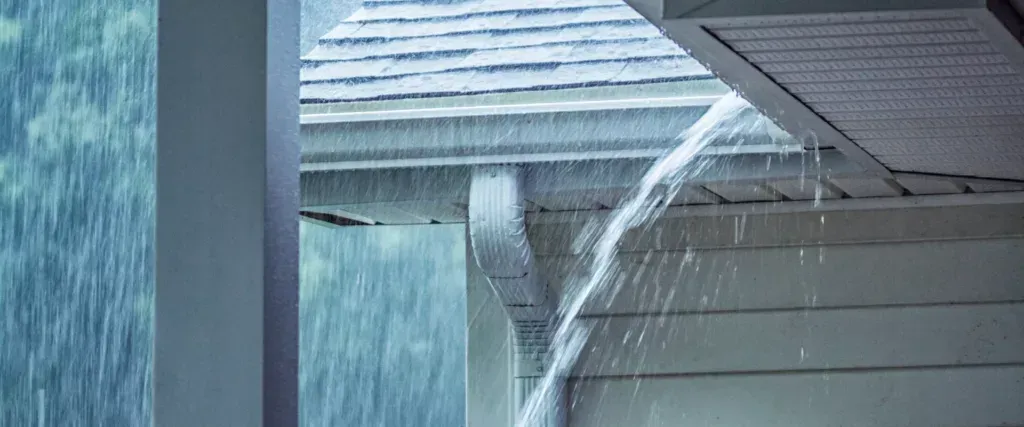
Rainwater pouring from a house roof and gutter during a storm
By 180 Contractors April 13, 2026
Michigan weather can be tough on homes, especially when it comes to your roof. From heavy snow in the winter to strong thunderstorms in the summer, each season brings conditions that can wear down roofing materials over time. Knowing how these storms affect your roof can help you catch problems early and avoid more ser