The Most Fire-Resistant Siding for Your Home: Why Fiber Cement Stands Out
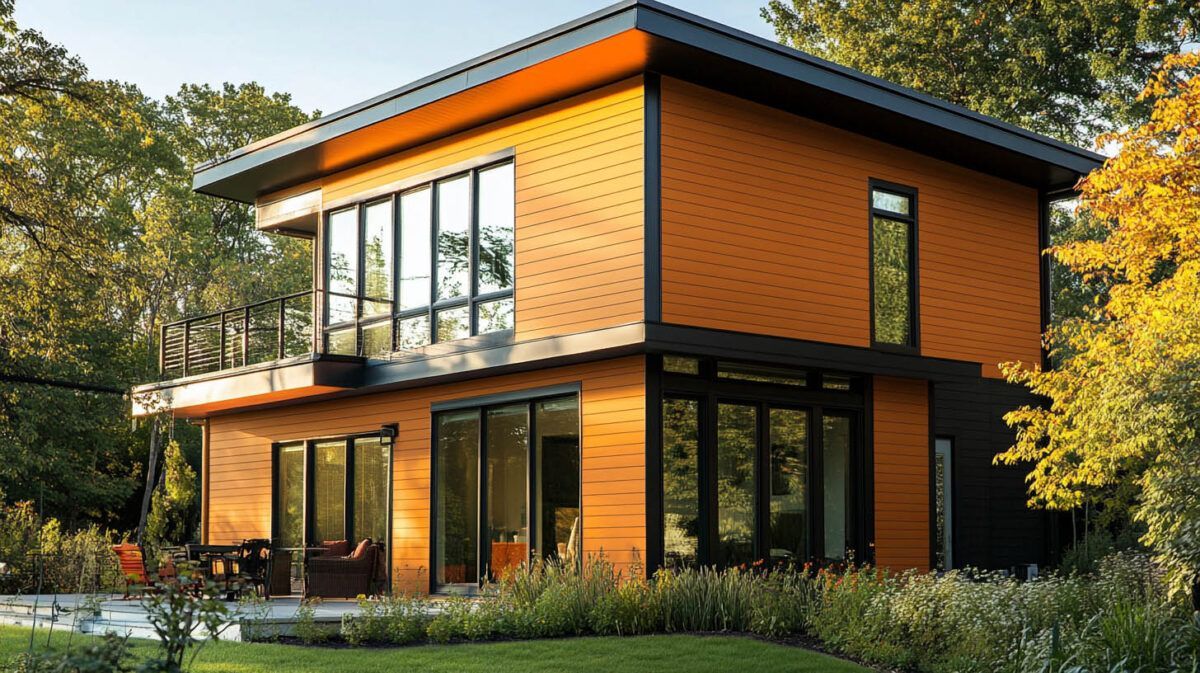
Every year, hundreds of thousands of house fires occur, putting families, homes, and possessions at risk. While no material is entirely fireproof, choosing fire-resistant siding can significantly slow the spread of flames, giving homeowners valuable time to escape and reducing property damage. Among the best options available today is fiber cement siding, particularly from James Hardie, which offers superior fire resistance compared to wood, vinyl, and other materials.
Understanding Fire-Resistant Siding Options
Siding materials vary significantly in how they react to heat and flames. Homeowners seeking the safest and most durable choice should understand the differences between available materials.
Wood and Vinyl: Highly Combustible Choices
Traditional wood siding is highly flammable. When exposed to fire, wood burns quickly, allowing flames to spread rapidly. Vinyl siding, while not as flammable, melts and warps under extreme heat, offering little protection in the event of a fire.
Brick and Stone: Fire-Resistant but Costly
Brick and stone are naturally fire-resistant and can withstand extreme temperatures. However, their high cost and the complexity of installation make them less practical for many homeowners.
Stucco: Moderate Fire Resistance with Moisture Concerns
Stucco provides better fire resistance than wood or vinyl but is prone to moisture retention, which can lead to cracking, mold, and deterioration over time.
Metal Siding: Heat-Resistant but Prone to Damage
Aluminum and steel siding resist fire well but dent easily, corrode over time, and may not provide the aesthetic appeal many homeowners desire.
Why Fiber Cement Siding Is the Best Fire-Resistant Option
Composed of Noncombustible Materials
James Hardie fiber cement siding is made from a blend of Portland cement, sand, water, and cellulose fibers. This combination creates a durable, noncombustible product that won’t ignite when exposed to direct flames.
Class A Fire Rating for Maximum Protection
Fiber cement siding holds a Class A fire rating, the highest rating available for building materials. This means it can withstand extreme heat and fire exposure for extended periods, unlike vinyl or wood.
Slows Fire Spread, Providing More Time for Evacuation
In a house fire, every second counts. Because fiber cement siding does not contribute to fire spread, it gives residents extra time to evacuate safely, potentially saving lives.
Reduces Home Insurance Costs
Many insurance companies recognize fiber cement siding’s superior fire resistance and offer discounts on homeowners’ insurance policies for properties that use this material. Installing James Hardie siding could lead to significant long-term savings.
Protects Valuables and Structural Integrity
Since fiber cement siding does not ignite or melt, it helps prevent fire from rapidly consuming a home. This means less damage to personal belongings and a better chance of maintaining the home’s structural integrity.
Enhances Property Value with Superior Aesthetics
Unlike other fire-resistant materials like brick or metal, James Hardie fiber cement siding offers exceptional curb appeal. Available in various styles, colors, and textures—including wood-look options—it provides both beauty and protection.
Additional Benefits of Fiber Cement Siding
Extreme Weather Durability
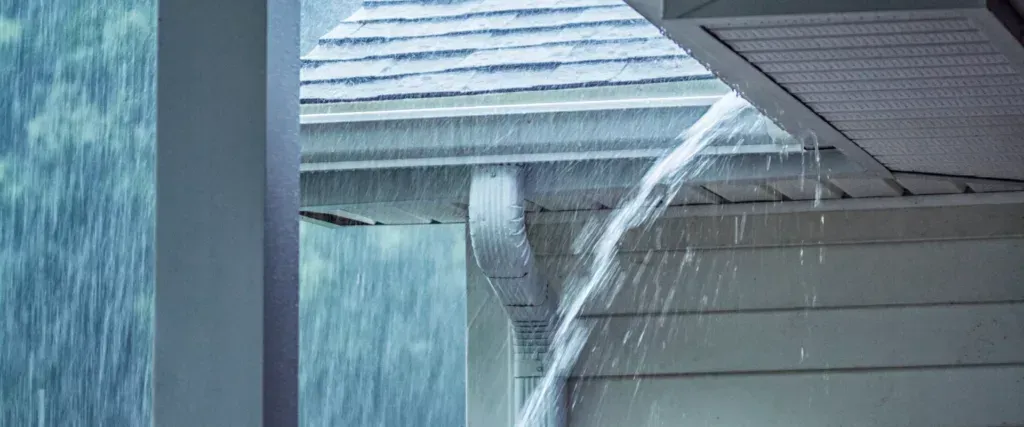
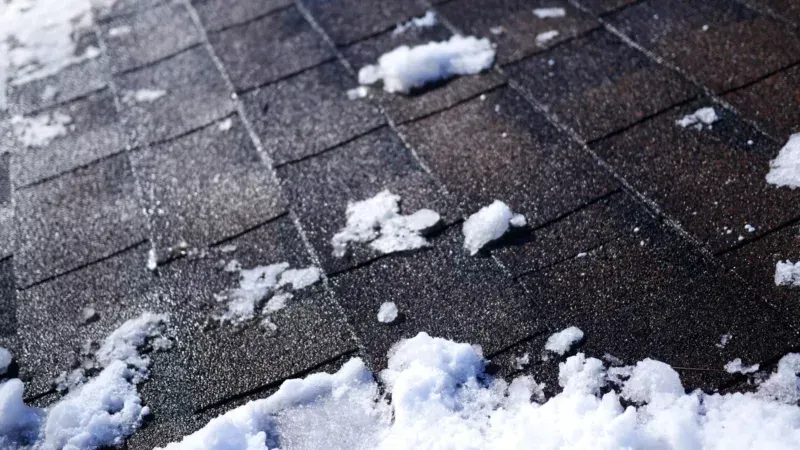
James Hardie fiber cement siding is designed to withstand harsh weather conditions, including heavy rain, hail, high winds, and extreme temperatures. Unlike wood, it does not warp or rot, and unlike vinyl, it does not crack under temperature fluctuations.
Resistance to Moisture and Pests
Unlike stucco, which can trap moisture and lead to mold growth, fiber cement is highly resistant to water absorption. Additionally, it does not attract pests such as termites or carpenter ants, making it an excellent long-term investment.
Low Maintenance with Long Lifespan
With an expected lifespan up to 60 years, fiber cement siding outperforms most other siding options. It requires minimal maintenance, meaning homeowners won’t have to worry about frequent repairs or replacements.
How James Hardie Fiber Cement Siding Compares to Alternatives
| Siding Type | Fire Resistance | Cost | Maintenance | Durability | Appearance |
|---|---|---|---|---|---|
| Wood | Highly flammable | $$ | High | Moderate | Traditional, warm aesthetic |
| Vinyl | Melts under extreme heat | $ | Low | Low | Various colors, but prone to warping |
| Brick/ Stone | Excellent | $$$$ | Low | High | Classic, durable |
| Stucco | Moderate | $$ | High (moisture issues) | Moderate | Mediterranean style |
| Metal | Good but dents easily | $$ | Low | Moderate | Modern, industrial look |
| Fiber Cement | Class A fire rating (best option) | $$ | Low | High (30-50 years lifespan) | Customizable, high-end curb appeal |
Installation and Considerations for Homeowners
Professional Installation Matters
For maximum performance, fiber cement siding should be installed by experienced professionals. Proper installation ensures that all joints are sealed, panels are secured, and moisture protection layers are correctly placed.
Cost vs. Long-Term Value
While fiber cement siding may cost more upfront than vinyl or wood, its longevity, fire resistance, and low maintenance make it a cost-effective investment in the long run.
Best for Fire-Prone Areas
Homeowners in wildfire-prone regions will particularly benefit from fiber cement siding, as it meets strict fire safety codes and offers peace of mind in high-risk areas.
Recognized Quality and Trusted Brands
Homeowners looking for the best fire-resistant siding should consider James Hardie, a leader in the fiber cement industry. Their products are tested and trusted across the U.S. for superior durability and safety.
At 180 Contractors Roofing & Siding, located in Troy, MI, we specialize in installing high-quality fiber cement siding that enhances home safety, energy efficiency, and curb appeal. Our team is certified and accredited by BBB (A+ rating), Guildmaster (GuildQuality), INC 5000, Google Guaranteed, and Qualified Remodeler Top 100 Satisfaction. We proudly work with leading brands, including James Hardie, Alside, and Everlast, ensuring our customers receive only the best products available.
FAQs
Is fiber cement siding completely fireproof?
No siding material is completely fireproof, but fiber cement is noncombustible and holds a Class A fire rating, making it one of the most fire-resistant options available.
How much does fiber cement siding cost compared to vinyl?
Fiber cement siding is more expensive than vinyl but far more durable and fire-resistant. While vinyl is cheaper upfront, fiber cement’s longevity and safety benefits make it a better long-term investment.
Does fiber cement siding require maintenance?
Fiber cement siding requires minimal maintenance compared to wood. An occasional cleaning and inspection for cracks or damage will keep it in great condition for decades.
Can fiber cement siding withstand other types of damage?
Yes, fiber cement siding is highly resistant to moisture, pests, UV rays, and extreme weather conditions, making it a durable and reliable choice for homeowners.
Will fiber cement siding improve my home’s resale value?
Yes, installing fiber cement siding can increase property value due to its durability, fire resistance, and attractive appearance. Many buyers prefer homes with low-maintenance, long-lasting siding materials.
Conclusion
When it comes to fire resistance, fiber cement siding outperforms nearly all other materials. With its Class A fire rating, durability, weather resistance, and low maintenance requirements, it is the best choice for homeowners who prioritize safety and long-term value. If you’re considering upgrading your siding, investing in James Hardie fiber cement siding will provide unmatched protection and enhance your home’s beauty for decades to come.
Read also our blog:
Why James Hardie Siding Is the Best Defense Against Pests
GET A FREE QUOTE
We will get back to you as soon as possible.
Please try again later.
Recent Posts