The choice of siding color plays a crucial role in defining a home’s exterior aesthetic. Over the years, trends in siding colors have evolved, reflecting changes in architectural styles, homeowner preferences, and advancements in siding materials. Among the wide range of available shades, some colors consistently stand out due to their timeless appeal, durability, and ability to enhance a home’s curb appeal.
The Rise of Neutral and Earth-Toned Siding Colors
Neutral tones have long been a favorite among homeowners due to their versatility and ability to complement a variety of architectural styles. Colors like Monterey Taupe, Pewter Gray, and Sandstone Beige remain popular choices, as they offer a sophisticated and modern look while blending seamlessly with different roofing and trim options.
Why Neutral Tones Remain a Top Choice
- Timeless Appeal –
Neutral colors never go out of style, ensuring long-lasting curb appeal.
- Flexibility in Design –
These shades work well with different accent colors, trim styles, and exterior features.
- Resale Value – Homes with neutral-colored siding tend to have higher resale values due to their broad market appeal.
Bold and Modern Siding Colors Gaining Popularity
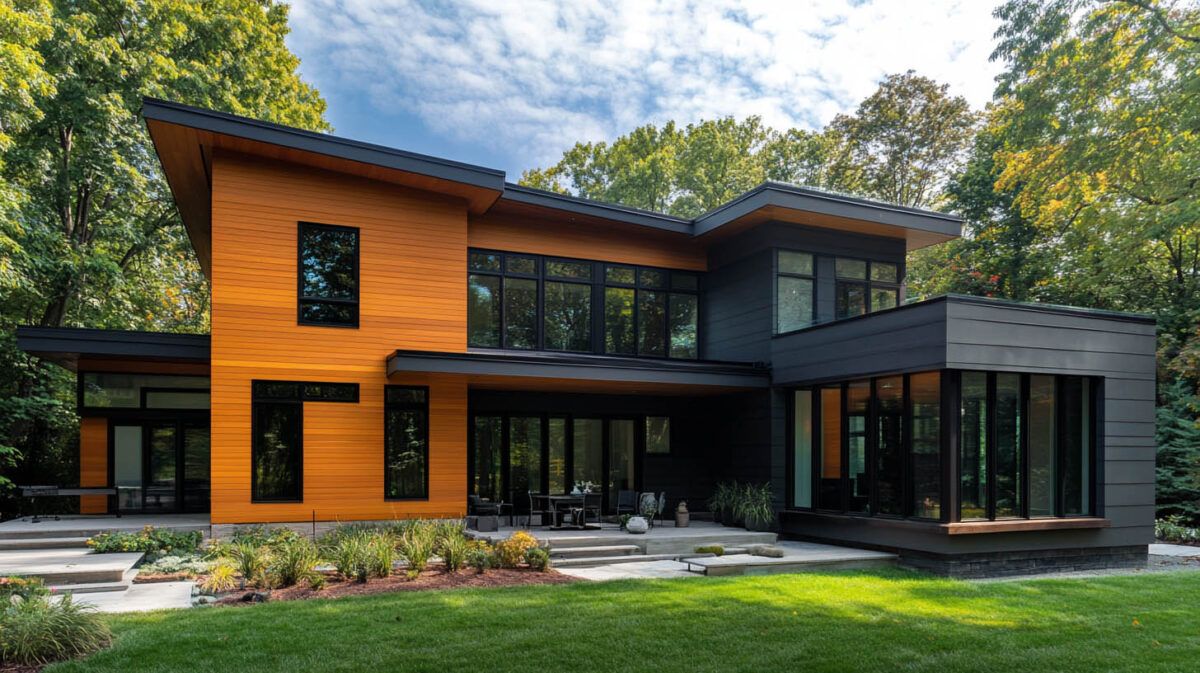
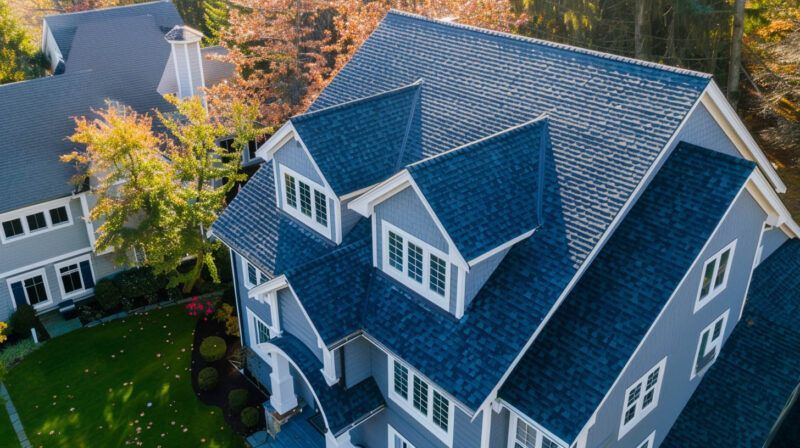
In recent years, darker and bolder shades have surged in popularity, offering homeowners a striking alternative to traditional neutral tones. Colors such as Deep Ocean Blue, Iron Gray, and Midnight Black provide a bold contrast against white trim and natural wood accents, creating a sophisticated and contemporary exterior.
Advantages of Darker Siding Colors
- Enhanced Architectural Details – Darker shades highlight intricate siding patterns and textures.
- Modern Aesthetic – These colors align with current design trends, particularly in contemporary and farmhouse-style homes.
- Improved Energy Efficiency –
When paired with energy-efficient insulation, darker siding can help maintain indoor temperatures by absorbing and retaining heat.
James Hardie’s Monterey Taupe: A Timeless Favorite
One of the most sought-after siding colors in recent years has been Monterey Taupe, a subtle yet elegant shade that balances warm and cool undertones. This color complements a wide range of home styles, from classic Colonial homes to sleek, modern designs.
Benefits of Choosing Monterey Taupe
- Natural Elegance –
The color resembles natural stone, adding depth and richness to a home’s exterior.
- Versatile Pairing – Pairs well with both light and dark trim options, allowing for customization.
- Low Maintenance – The color naturally hides dirt and weathering, reducing the need for frequent cleaning.
How Siding Material Affects Color Longevity
The material used for siding influences how well a color holds up against weathering, fading, and environmental exposure.
Fiber Cement Siding: A Durable Choice
James Hardie fiber cement siding, available in pre-finished ColorPlus® Technology, offers superior color retention. This proprietary coating process ensures that the color remains vibrant for years without requiring frequent repainting.
- UV Resistance – Protects against fading caused by prolonged sun exposure.
- Weather Durability –
Resists cracking, chipping, and warping, ensuring a long-lasting finish.
- Low Maintenance – Unlike wood siding, fiber cement does not require routine staining or sealing.
Vinyl Siding: A Cost-Effective Alternative
Vinyl siding is another popular option for homeowners seeking an affordable and durable siding solution. Alside offers a range of vinyl siding colors that incorporate ColorHold® Technology, providing fade-resistant properties.
- Easy Installation –
Vinyl siding is lightweight and quick to install.
- Minimal Maintenance – Requires only occasional washing to maintain its appearance.
- Color Variety – Available in an extensive range of shades, including bold and neutral options.
Selecting the Right Siding Color for Your Home
Choosing the perfect siding color involves considering factors such as architectural style, climate, and personal preference.
Tips for Choosing the Best Color
- Consider the Home’s Architecture –
Traditional homes often look best with neutral or earthy tones, while modern homes can embrace bolder colors.
- Test Samples in Different Lighting –
Colors can appear different under varying lighting conditions; viewing samples in natural daylight ensures accurate selection.
- Coordinate with Roof and Trim Colors – The siding should complement, rather than clash with, the roof and trim for a cohesive look.
- Think About Long-Term Trends – While bold colors may be trendy, classic shades tend to have better resale value.
- Factor in the Surroundings –
Homes in wooded areas may benefit from earthy greens and browns, while coastal homes often suit lighter shades.
Expert Installation with 180 Contractors Roofing & Siding
Ensuring that your chosen siding color looks its best requires professional installation. 180 Contractors Roofing & Siding, located in Rochester Hills, MI, specializes in high-quality siding installations using top brands such as James Hardie, Alside, and Everlast. As a BBB A+ accredited company and a recipient of the Guildmaster (GuildQuality), INC 5000, Google Guaranteed, and Qualified Remodeler Top 100 Satisfaction awards, we deliver expert craftsmanship and exceptional customer service.
Frequently Asked Questions (FAQs)
1. What is the most popular siding color?
Neutral shades like Monterey Taupe, Pewter Gray, and Sandstone Beige remain top choices due to their timeless appeal and versatility.
2. Do darker siding colors fade faster?
Darker colors are more prone to fading, but advancements in ColorPlus® Technology and ColorHold® Technology provide enhanced UV protection for long-lasting vibrancy.
3. What siding material holds color the best?
Fiber cement siding with factory-applied finishes like James Hardie’s ColorPlus® Technology offers the best resistance to fading and weathering.
4. Can I repaint my siding if I want a new color?
Yes, fiber cement siding can be repainted, but vinyl siding should be selected in a color you intend to keep long-term, as repainting may void warranties.
5. How do I choose a siding color that will increase resale value?
Neutral and classic colors such as beige, gray, and white tend to attract the most buyers and provide a better return on investment.
Conclusion
Siding color trends evolve over time, but neutral tones and bold accents continue to dominate the market. Whether choosing the timeless appeal of Monterey Taupe or embracing a darker, more dramatic shade, selecting a high-quality siding material ensures long-lasting beauty and performance.
Read also our blog:
Why Alside Vinyl Siding Stands Out from Other Brands