A well-coordinated exterior enhances a home’s curb appeal, value, and overall aesthetic. Choosing the right roofing and siding color combinations requires a strategic approach to balance style, functionality, and longevity. By considering factors like architecture, regional trends, climate impact, and personal preferences, homeowners can create an exterior that is visually striking and durable.
Understanding the Importance of Color Coordination
The exterior color palette of a home should harmonize with its surroundings, architectural style, and landscaping. Mismatched or poorly chosen colors can make a house appear unbalanced, reduce resale value, and diminish curb appeal. A well-planned color scheme creates a seamless, polished look that enhances the home’s aesthetic and provides long-term satisfaction.
Factors to Consider When Choosing Roofing and Siding Colors
1. Regional and Neighborhood Trends
Homes in different regions are exposed to unique weather conditions, cultural influences, and architectural styles. Observing the common color schemes in your neighborhood can help ensure your home blends well with its surroundings while maintaining individuality.
- Coastal areas often favor lighter colors to reflect heat and resist fading from sun exposure.
- Urban settings frequently showcase bold and modern hues, such as deep grays and blues.
- Rural homes tend to feature earthy tones that blend with natural landscapes.
2. Architectural Style
The architectural design of a home dictates which color combinations work best. Matching the roof and siding colors to the style of your home ensures a timeless and cohesive look.
- Colonial homes: Neutral colors such as beige, white, and slate gray complement the symmetrical design.
- Craftsman homes: Earthy tones like forest green, brown, and warm red enhance the rustic charm.
- Modern homes: Bold contrasts such as black roofs with white siding create a sleek, contemporary appearance.
- Victorian homes: Rich jewel tones like deep purple, navy, and burgundy highlight intricate details.
3. Roof Longevity and Heat Absorption
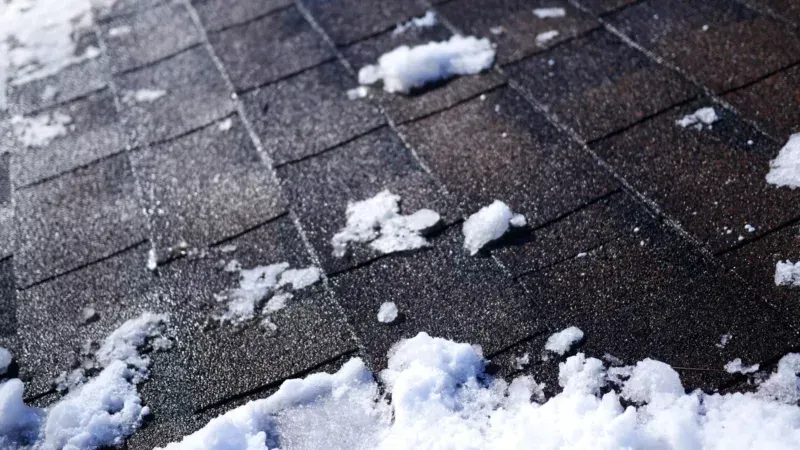
Darker roofing materials absorb more heat, which can increase cooling costs in warmer climates. Lighter-colored roofs reflect sunlight, keeping the home cooler. Homeowners should consider climate conditions when selecting a roof color to improve energy efficiency.
4. The Visual Impact of Light vs. Dark Colors
- Light-colored siding makes homes appear larger and more open.
- Dark siding creates a bold and dramatic effect but may require additional maintenance due to sun exposure.
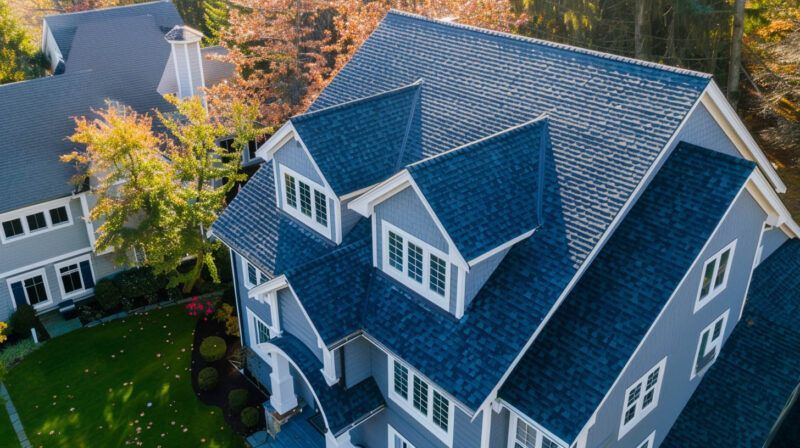
- A darker roof paired with a lighter siding shade provides balance and a visually grounded look.
Best Roofing and Siding Color Combinations
1. Classic Neutrals for Timeless Elegance
Neutral color palettes provide longevity and versatility, making them a safe and stylish choice for any home.
- Beige siding with brown or gray roofing: A warm and inviting combination that suits both traditional and contemporary homes.
- White siding with black or dark gray roofing: A high-contrast, sophisticated look that remains popular in modern architecture.
2. Earthy Tones for a Natural Aesthetic
For homes set in wooded or rural environments, earthy tones blend seamlessly with the surroundings.
- Olive green siding with brown or charcoal roofing:
Complements nature and provides a warm, organic feel.
- Warm tan siding with dark brown roofing: Creates a welcoming and cozy aesthetic.
3. Cool Hues for a Crisp, Modern Appeal
Cool tones create a refreshing and modern appearance, particularly in contemporary and coastal homes.
- Light gray siding with a black or dark gray roof: Provides a sophisticated and elegant contrast.
- Blue siding with gray or brown roofing:
A balanced, modern combination perfect for homes with waterfront views.
4. Bold and Unique Color Combinations
For homeowners who want to make a statement, bold color choices can add character and individuality.
- Deep red siding with black or dark gray roofing:
A dramatic combination that exudes confidence.
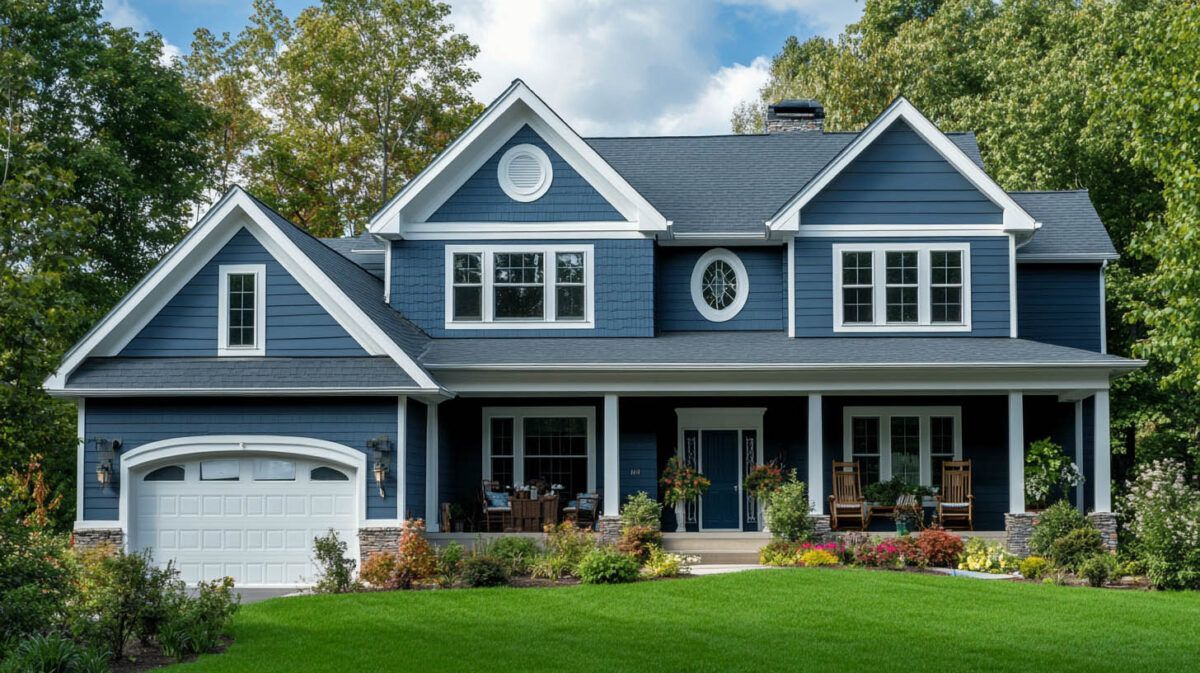
- Dark navy siding with a lighter gray roof: Strikes a balance between boldness and sophistication.
Step-by-Step Guide to Choosing the Best Color Combination
Step 1: Assess Your Home’s Existing Features
Consider the color of brickwork, stone accents, and landscaping elements to ensure your siding and roof complement rather than clash.
Step 2: Use Digital Visualization Tools
Many manufacturers, including James Hardie, offer online visualizers that allow homeowners to test different color combinations before committing.
Step 3: Obtain Samples and Test in Natural Light
Colors can appear different in various lighting conditions. Get physical samples and view them at different times of the day to see how they interact with natural sunlight.
Step 4: Consult a Professional
Roofing and siding experts can provide insights into durable materials, color longevity, and aesthetic considerations tailored to your home.
Why Choose 180 Contractors Roofing & Siding?
At 180 Contractors Roofing & Siding, we are dedicated to helping homeowners in Waterford, MI, find the perfect color combinations to enhance their property’s curb appeal and durability. Our commitment to quality craftsmanship is reflected in our industry-recognized certifications:
- BBB A+ Accredited – A mark of our excellence in customer service and trust.
- Guildmaster (GuildQuality) – Recognized for superior service and satisfaction.
- INC 5000 –
One of the fastest-growing companies in the industry.
- Google Guaranteed –
Verified for reliability and quality.
- Qualified Remodeler Top 100 Satisfaction – Demonstrating our commitment to outstanding remodeling experiences.
We work with the industry’s leading brands, including James Hardie, Alside, and Everlast, ensuring top-tier products that provide both aesthetic appeal and long-lasting durability.
FAQs
1. How do I choose a roofing and siding color combination that will age well?
Stick to neutral or classic colors, as trends change over time. Additionally, opt for UV-resistant materials to prevent fading.
2. Can I mix warm and cool colors in my exterior color scheme?
Yes, but the key is balance. A cool-toned roof with warm siding may work if complemented by neutral trim and accents.
3. How does climate affect my choice of roofing and siding colors?
Homes in warmer climates benefit from light-colored roofs to reflect heat, while darker roofs are better suited for colder regions to absorb warmth.
4. Do certain siding materials hold paint color better than others?
Yes, fiber cement siding (such as James Hardie) retains color longer than traditional wood siding, which may require frequent repainting.
5. Should my trim color match my siding or contrast with it?
Trim can either match the siding for a seamless look or contrast to highlight architectural details. White trim is a versatile choice that works with almost any color scheme.
Conclusion
Selecting the perfect roofing and siding color combination enhances both the beauty and functionality of a home. By considering factors such as regional climate, architectural style, and energy efficiency, homeowners can create a visually appealing and durable exterior. With the right balance of contrast, complementing shades, and high-quality materials, the home will not only look stunning but also retain its value for years to come.
Read also our blog:
10 Essential Factors to Consider When Hiring a Siding Contractor