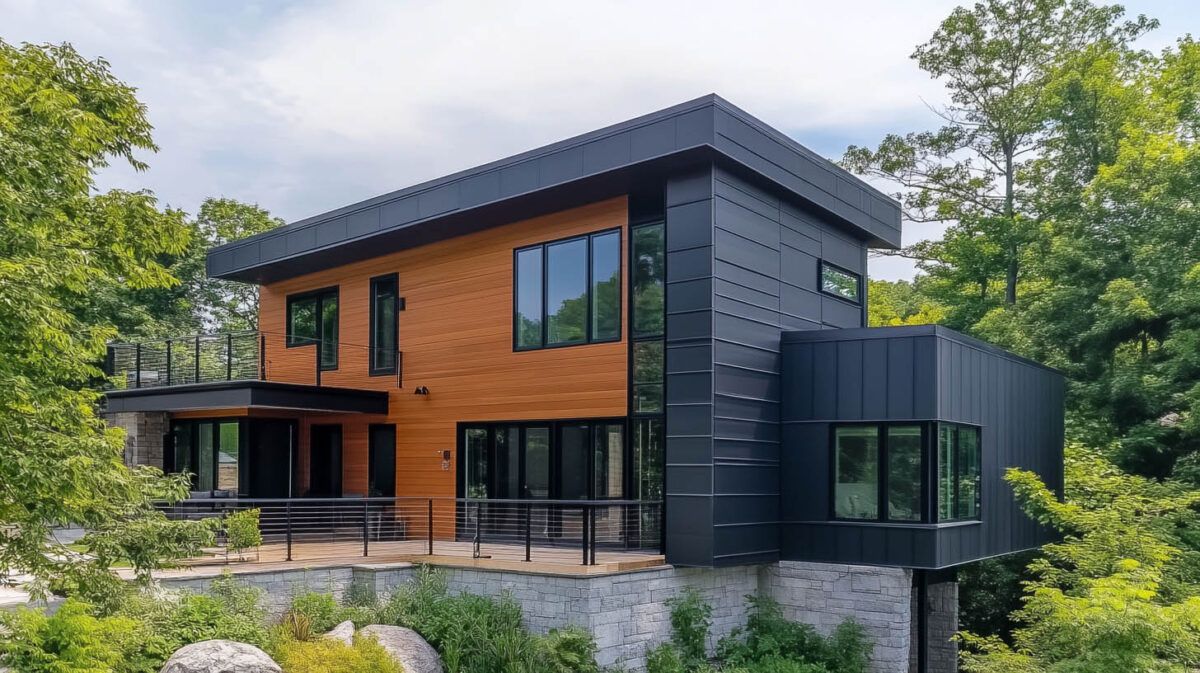
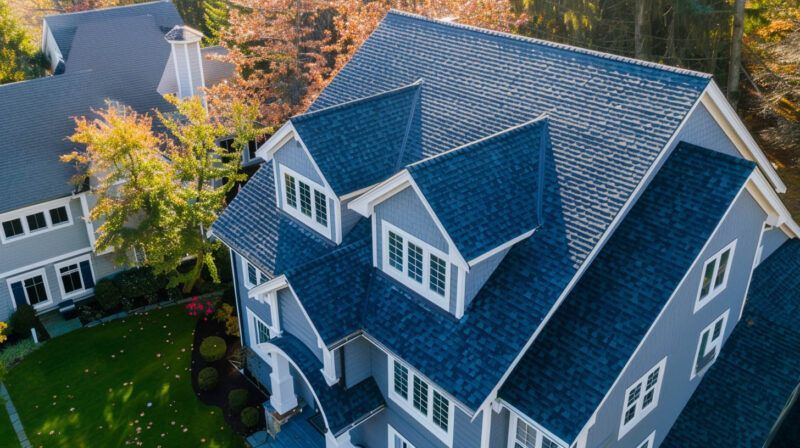
Hardie Board offers a balance of affordability, durability, and visual appeal, making it a top choice for homeowners looking for a long-lasting siding solution.
Hardie Board Installation Process
Installing Hardie Board requires precision and expertise. While it is possible to install it as a DIY project, professional installation is recommended to ensure proper sealing, fastening, and alignment.
1. Preparation
- Store Hardie Board flat in a dry area to prevent warping
- Ensure proper moisture barriers and sheathing are in place
2. Cutting and Fastening
- Use a fiber cement saw blade to cut panels precisely
- Attach panels using galvanized or stainless steel nails
3. Sealing and Finishing
- Apply caulking and joint flashing to prevent moisture penetration
- Use ColorPlus® Technology pre-painted boards for longer-lasting color
Hiring an Elite Preferred Contractor ensures code compliance and long-term performance of the siding.
Hardie Board and Energy Efficiency
Hardie Board enhances insulation when combined with energy-efficient house wrap and proper wall insulation. It helps:
- Reduce heating and cooling costs
- Minimize air leaks
- Enhance indoor comfort year-round
This makes it a smart choice for eco-conscious homeowners looking to improve their home’s energy efficiency.
Choosing the Right Hardie Board Installer
Working with a certified professional guarantees proper installation, maximizing the siding’s lifespan and effectiveness.
For homeowners in Rochester Hills, MI, 180 Contractors Roofing & Siding provides expert installation of James Hardie fiber cement siding. As a trusted contractor, we hold top industry credentials, including:
- BBB A+ accreditation for superior customer service
- Guildmaster Award from GuildQuality for outstanding craftsmanship
- INC 5000 recognition as one of the fastest-growing companies
- Google Guaranteed certification for quality assurance
- Qualified Remodeler Top 100 Satisfaction ranking
We work with premium brands like James Hardie, Alside, and Everlast, ensuring top-tier siding solutions.
Frequently Asked Questions (FAQs)
1. How does Hardie Board compare to vinyl siding?
Hardie Board is more durable, fire-resistant, and visually appealing than vinyl. While vinyl is cheaper upfront, Hardie Board lasts longer and requires less maintenance, making it a better long-term investment.
2. Is Hardie Board waterproof?
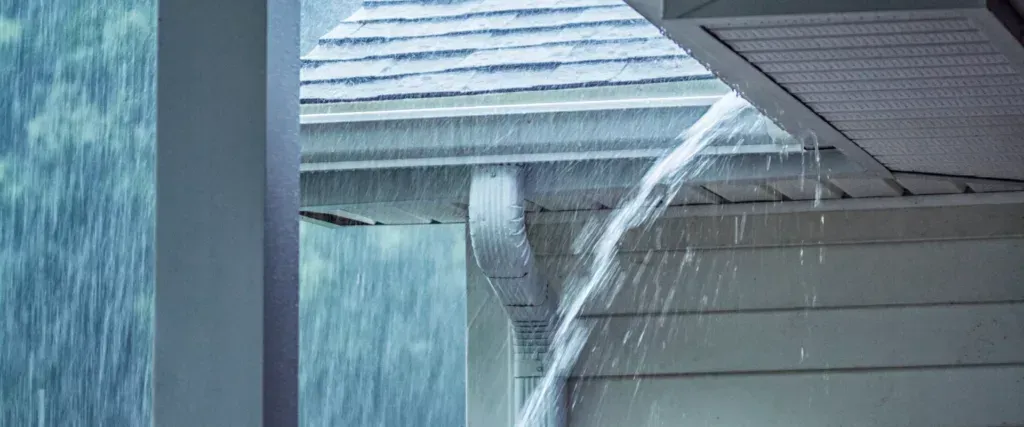
Hardie Board is moisture-resistant, but it is not waterproof. Proper installation and sealing are crucial to prevent water infiltration.
3. Does Hardie Board need to be repainted?
If using ColorPlus® Technology, Hardie Board retains its color for 15+ years. Standard painted Hardie Board may require repainting every 10-15 years.
4. Can Hardie Board be installed over existing siding?
It depends on the existing material. Hardie Board can be installed over OSB sheathing or wood, but not over materials like stucco or old fiber cement siding.
5. How much does Hardie Board cost?
Costs vary based on home size, labor, and location, but it is generally more affordable than wood and less expensive than metal siding. The long-term savings from durability and low maintenance make it a cost-effective choice.
Conclusion
Hardie Board offers an exceptional blend of durability, aesthetic appeal, and weather resistance. It is a top choice for homeowners looking to invest in a long-lasting, low-maintenance siding solution.
With fire resistance, pest protection, and a lifespan of up to 50 years, Hardie Board provides superior value over traditional wood, vinyl, and metal siding.
Read also our blog: Enhance Your Home’s Fire Safety with James Hardie Fire-Resistant Siding