Introduction
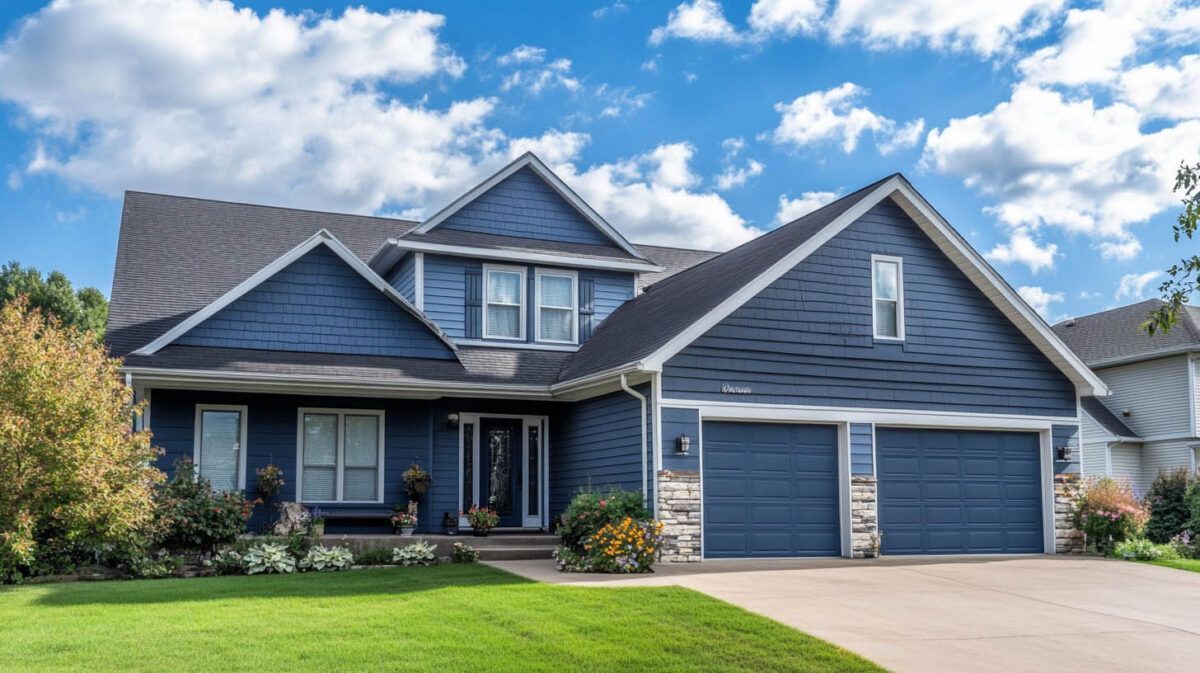
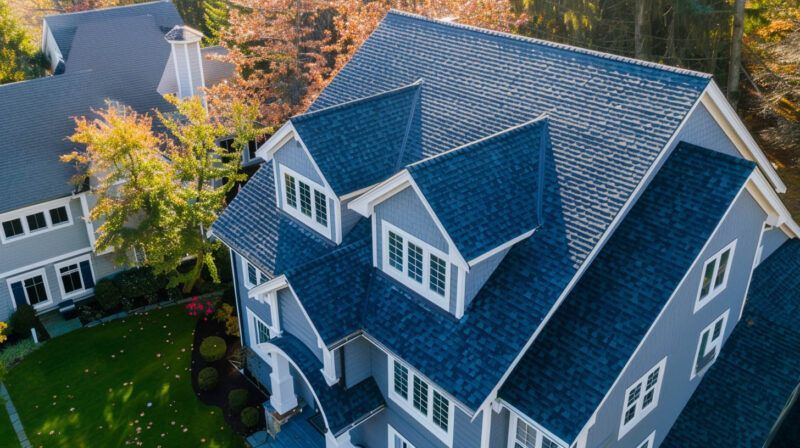
Vinyl siding remains one of the most popular and cost-effective choices for homeowners seeking durability, low maintenance, and aesthetic appeal. Designed to withstand extreme weather conditions while enhancing a home’s curb appeal, vinyl siding offers an extensive range of colors, textures, and styles. Understanding the options available and choosing the right type of vinyl siding can significantly impact a home’s protection and energy efficiency.
Why Homeowners Choose Vinyl Siding
1. Durability Against Harsh Weather
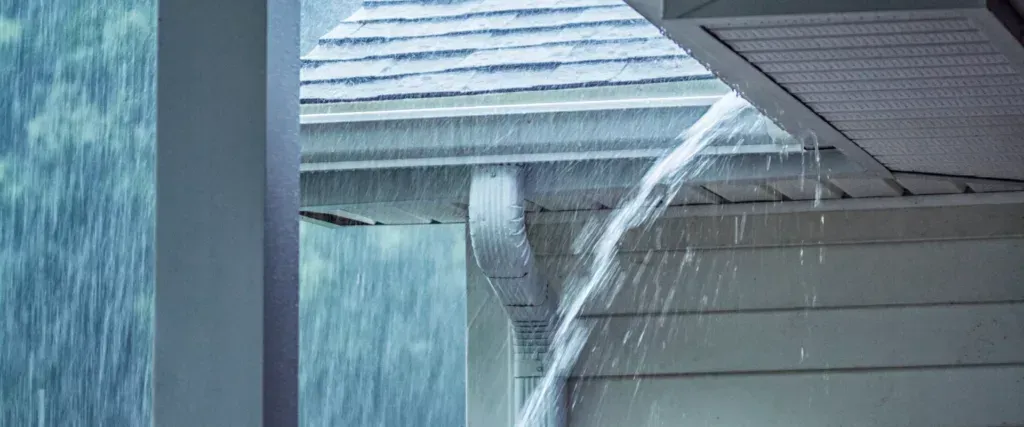
Vinyl siding is engineered to endure temperature fluctuations, high winds, heavy rain, and even hail. Modern advancements in siding technology provide better impact resistance, preventing cracks and damage over time.
2. Low Maintenance Requirements
Unlike wood siding, which requires frequent painting and sealing, vinyl siding is virtually maintenance-free. Homeowners only need occasional cleaning with soap and water to maintain its appearance.
3. Energy Efficiency and Insulation Options
Insulated vinyl siding provides an additional thermal barrier, reducing heat transfer and lowering energy costs. This makes it an excellent option for homeowners looking to improve energy efficiency.
4. Aesthetic Versatility
Vinyl siding comes in various styles, including traditional lap siding, vertical panels, and board-and-batten designs. With an extensive selection of colors and textures, it can mimic the look of natural wood or modern architectural finishes.
5. Cost-Effectiveness
Compared to fiber cement or wood siding, vinyl siding is more affordable in terms of both material and installation costs. Its long lifespan further enhances its value, making it a smart investment.
Popular Vinyl Siding Options
1. Traditional Lap Siding
This is the most common style, featuring horizontal planks that overlap to create a classic, seamless look. It suits various architectural styles and is available in a range of colors.
2. Dutch Lap Siding
Similar to traditional lap siding, Dutch lap siding has a more pronounced shadow line, creating a distinctive, textured appearance. This style adds depth and character to a home’s exterior.
3. Vertical Siding (Board and Batten)
Vertical panels provide a modern farmhouse or contemporary aesthetic. They work well as accent features on gables or entire exterior walls.
4. Shingle and Shake Siding
Designed to resemble cedar shakes, this option gives homes a rustic, textured appearance. It is an excellent alternative for homeowners who love the look of wood but want a maintenance-free solution.
5. Insulated Vinyl Siding
This type of siding includes a layer of foam insulation, enhancing energy efficiency and impact resistance. It is ideal for homeowners looking to reduce heating and cooling costs.
Best Vinyl Siding Brands for Long-Term Performance
1. Alside Vinyl Siding
Alside offers a wide range of high-quality vinyl siding options, including Charter Oak, a premium panel designed for superior strength and wind resistance.
2. Ply Gem Mastic Vinyl Siding
Ply Gem’s Mastic line includes multiple product series, each catering to different needs:
- Carvedwood 44 – Known for its wood-grain finish and durability.
- Quest –
A premium-grade siding built to withstand hurricane-force winds.
- Mill Creek – A budget-friendly option with a natural wood appearance.
- Ovation – Offers the widest range of colors and styles.
3. CertainTeed Vinyl Siding
CertainTeed offers premium siding options, including Monogram, MainStreet, and Cedar Impressions, each providing high-performance finishes and fade-resistant colors.
Key Considerations When Choosing Vinyl Siding
1. Climate Compatibility
Some vinyl siding materials are better suited for extreme temperatures. Insulated siding is ideal for colder climates, while UV-resistant siding works well in sunny regions.
2. Thickness and Durability
Vinyl siding thickness ranges from .035 inches to .055 inches. Thicker siding is more durable and resistant to warping and denting.
3. Color Retention and Fading
High-quality vinyl siding incorporates fade-resistant technology, preventing color loss due to prolonged sun exposure.
4. Warranty and Manufacturer Support
Leading manufacturers offer warranties ranging from 25 years to a lifetime, covering defects and color fading.
Steps for Vinyl Siding Installation
1. Inspection and Surface Preparation
Before installation, the existing surface must be inspected for moisture damage. Old siding should be removed if necessary, and a weather-resistant barrier is applied.
2. Installation of Starter Strips and Corner Posts
Starter strips and corner posts are installed to create a stable foundation for the siding panels.
3. Panel Installation
Vinyl siding panels are locked into place, ensuring proper alignment and expansion room to accommodate temperature changes.
4. Trim and Finishing Touches
Trim, soffits, and fascia boards are installed to create a seamless and polished look.
5. Final Inspection
A thorough check ensures all panels are securely fastened, and there are no gaps or misalignments.
Comparing Vinyl Siding to Other Siding Options