Tile roofs are among the most timeless and durable roofing systems available, combining eye-catching aesthetics with incredible longevity. Though often associated with warm, coastal climates, tile roofs are making their way into homes throughout the Midwest—including in Troy, MI. At
180 Contractors Roofing & Siding, we help homeowners discover how tile roofing can be a smart investment—especially when installed by experienced professionals.
What Are Tile Roofs Made Of?
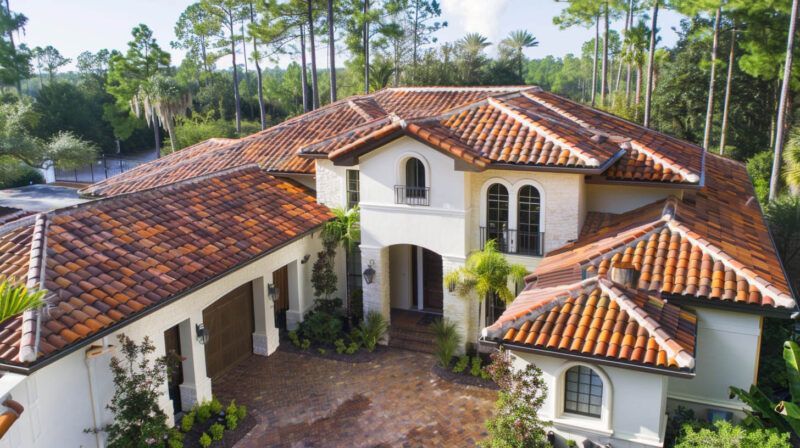
Tile roofs are generally made from materials like clay, concrete, or slate. Each type offers its own unique benefits in terms of weight, color, texture, and cost. Clay tiles are known for their longevity and natural color retention, while concrete tiles offer excellent durability at a lower price point. Slate tiles, though heavier, provide unmatched natural beauty and fire resistance.
Regardless of the material, tile roofs are engineered to interlock or overlap, creating a protective barrier that efficiently sheds water and resists wind-driven rain.
Why Tile Roofing Is Gaining Popularity
1. Exceptional Longevity
Tile roofs are one of the longest-lasting roofing options available. A properly installed tile roof can last 50 to 100 years with minimal maintenance. That means most homeowners who choose tile roofing will never have to replace their roof again.
2. Strong Weather Resistance
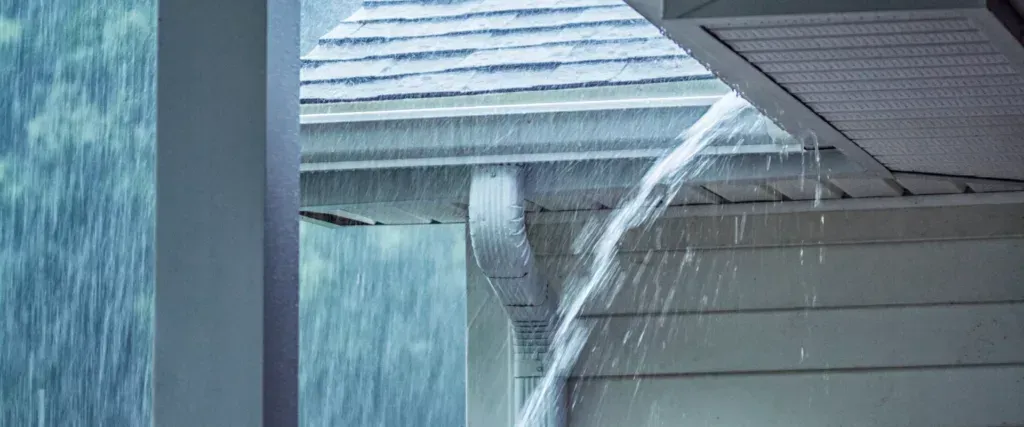
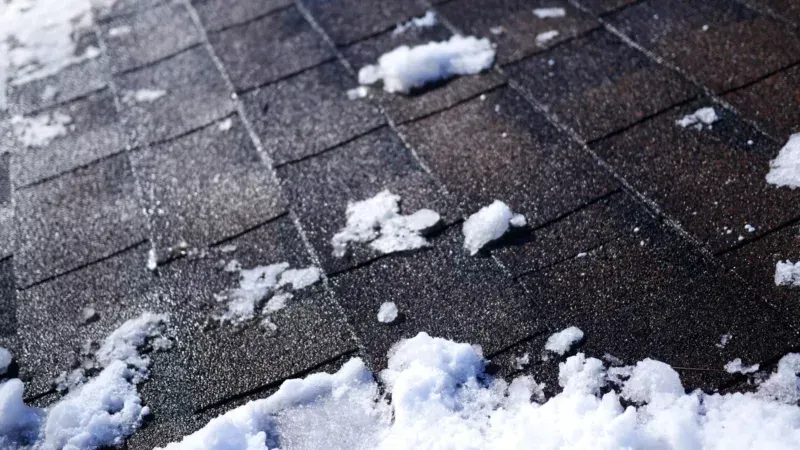
In Troy, MI, winters can be harsh and summers bring strong sun exposure. Tile roofs hold up to both extremes. They’re resistant to hail, snow, rain, and even high winds—making them ideal for Michigan’s diverse weather patterns.
Plus, tiles are non-combustible, giving your home extra protection against fire hazards.
3. Energy Efficiency
Tile naturally allows air to circulate under and around each piece, which helps regulate attic temperatures and improve energy efficiency. Homes with tile roofs stay cooler in summer and warmer in winter, reducing strain on your HVAC system and lowering utility costs.
At 180 Contractors Roofing & Siding, we often combine tile installations with advanced underlayments and ventilation systems to boost overall performance.
4. Beautiful Appearance and Versatility
Tile roofing comes in a variety of shapes—barrel, flat, and S-style—and a wide range of colors and finishes. Whether your home’s design is Mediterranean, colonial, or modern, there’s a tile roof that will match and enhance its architecture.
Unlike other roofing options that fade or look dated over time, tile roofs maintain their color and charm for decades.
What to Know About Tile Roof Installation
While tile roofing offers many benefits, it’s also one of the most complex systems to install. That’s why it’s essential to work with a certified contractor who understands the nuances of tile placement, waterproofing, and support.
Here are a few key installation considerations:
- Roof structure:
Tile is heavier than shingles, so your home must be structurally evaluated to ensure it can support the weight. Reinforcement may be necessary.
- Underlayment:
High-performance waterproof barriers must be installed beneath the tile to protect against water infiltration.
- Proper alignment:
Tiles must be precisely spaced and fastened to prevent shifting or breakage.
- Flashing and ridge caps: These finishing details are essential to keeping out moisture and giving your roof a finished, cohesive look.
We use only top-quality materials from trusted manufacturers such as Owens Corning and follow industry best practices to deliver a tile roofing system that performs as beautifully as it looks.
Maintenance and Repair Tips
Tile roofs are low-maintenance, but like any roof, they still require occasional attention. Homeowners should:
- Keep gutters and valleys clear of debris
- Schedule annual inspections for cracked or shifted tiles
- Avoid walking on the roof without proper safety equipment, as tiles can break under pressure
If you notice broken or missing tiles, contact a professional immediately to avoid water penetration or further damage.
Final Thoughts
Tile roofs offer a rare combination of beauty, strength, and lasting value. Whether you’re looking to upgrade your current system or build your dream home, tile roofing provides a solution that stands the test of time—and Michigan weather.
At 180 Contractors Roofing & Siding, we guide you through every step of the tile roofing process, from choosing the right product to flawless installation and maintenance.
Read also our blog:
All You Need to Know About Composite Roofs