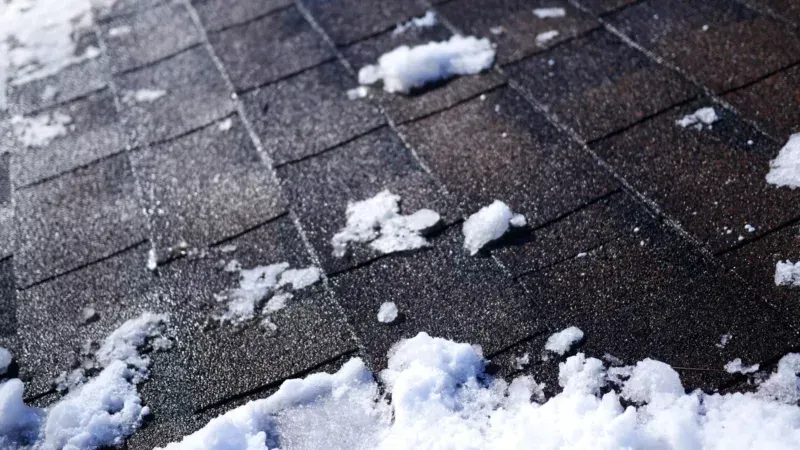
When it comes to energy savings, most homeowners think of insulation, windows, or HVAC upgrades—but your roof plays a major role too. In fact, your roof can be one of the biggest contributors to heat gain or loss in your home. For homeowners in Bloomfield Hills, MI, where temperatures swing dramatically between seasons, improving your roof’s energy efficiency can lead to significant cost savings and increased comfort.
At
180 Contractors Roofing & Siding, we help local homeowners make smart, lasting upgrades that reduce utility bills and extend roof life. Whether you’re installing a new roof or looking to improve your current system, these expert tips will help you get the most energy-efficient performance from your roof.
Why Energy Efficiency Matters in Roofing
An energy-efficient roof:
- Reduces heat absorption during summer months
- Minimizes heat loss during winter
- Lowers your home’s energy demands
- Decreases wear on your HVAC system
- Adds to your property’s long-term value
Considering how much surface area your roof covers, improving its performance can impact your whole house.
Tip 1: Choose Energy-Efficient Roofing Materials
Some roofing materials naturally perform better than others. When considering a replacement or upgrade, ask your roofer about reflective and insulating roofing options.
Asphalt Shingles
Modern asphalt shingles—especially Owens Corning ENERGY STAR®-rated lines—feature reflective granules that help reduce heat absorption. These products can lower roof surface temperatures by up to 50°F during peak sun exposure, which reduces cooling loads indoors.
Metal Roofing
Metal roofing is another excellent choice for energy-conscious homeowners. Its reflective properties and ability to shed snow quickly make it ideal for Michigan’s cold winters and hot summers alike. Plus, metal roofs can last 40–70 years with minimal maintenance.
Tile or Composite Roofing
For homes with steeper pitches, tile or composite roofing systems offer both thermal resistance and ventilation features. While more expensive initially, they may deliver long-term savings in high-heat environments.
Tip 2: Upgrade Your Roof’s Ventilation
Your attic ventilation system is just as critical as the materials you choose. Without proper airflow, heat and moisture can accumulate under your roof, damaging materials and increasing energy usage.
A balanced ventilation system includes:
- Intake vents (e.g., soffit vents) that draw in cool air
- Exhaust vents (e.g., ridge vents or gable vents) that expel hot, humid air
This passive system helps regulate attic temperatures year-round and prevents common issues like ice dams or mold growth.
We often find that older homes in Bloomfield Hills lack adequate ventilation—and simply adding vents can make a noticeable difference in indoor comfort and energy use.
Tip 3: Install Radiant Barriers or Reflective Underlayment
If you’re replacing your roof or have open attic access, adding a radiant barrier is one of the smartest investments you can make. Installed under the roof decking, radiant barriers reflect radiant heat rather than absorb it.
Reflective underlayment is another option—acting like a thermal mirror under the shingles. These upgrades help prevent your attic from turning into an oven during summer, which reduces strain on your cooling system.
Tip 4: Improve Your Attic Insulation
Even the most efficient roof won’t perform well without sufficient attic insulation. In colder climates like Bloomfield Hills, heat loss through the roof can account for up to 25% of energy waste.
Consider upgrading to R-38 or higher insulation levels, depending on your attic’s existing condition. Insulating your attic floor while maintaining ventilation at the roofline helps you stay warm in the winter and cool in the summer—without driving up energy costs.
Tip 5: Keep Your Roof Clean and Maintained
A neglected roof can lose efficiency quickly. Moss, algae, and debris buildup interfere with reflective materials and trap heat and moisture. Seasonal maintenance tasks like:
- Cleaning gutters and downspouts
- Removing roof debris
- Inspecting for granule loss or damaged shingles
- Sealing flashing and roof penetrations
…all help preserve your roof’s energy efficiency over time.
We recommend homeowners schedule a roof inspection at least once a year, ideally in spring or fall, to ensure everything is functioning as it should.
Tip 6: Consider a Cool Roof System
Cool roofs are designed specifically to reflect more sunlight and absorb less heat. These systems are often made of specially coated materials or light-colored surfaces that help keep roof temperatures lower.
While cool roofing is more commonly used in southern climates, it can still offer benefits during Bloomfield Hills’ summer months—especially for homes with limited tree cover or large roof exposures.
Ask your contractor if cool roofing technology is compatible with your home’s structure and pitch.
Tip 7: Work With Energy-Efficiency-Focused Contractors
Not all roofing contractors prioritize energy performance. That’s why working with experienced, knowledgeable professionals—like the team at 180 Contractors Roofing & Siding—can make a difference.
We consider all aspects of your roofing system: material choice, ventilation, insulation, orientation, and long-term savings. Whether it’s a small repair or a full installation, we build with performance in mind.
Final Thoughts: Invest in Comfort and Savings
Energy efficiency isn’t just a buzzword—it’s a smart, sustainable way to protect your home and your budget. With the right materials, design, and maintenance, your roof can help regulate temperatures, reduce strain on your HVAC system, and keep your utility bills under control.
If you’re ready to explore energy-saving upgrades for your home in Bloomfield Hills, the experts at 180 Contractors Roofing & Siding are here to help.
Read also our blog:
Maintenance Advice That Can Help Your Roof Last Longer