Understanding Hardboard Siding: Pros and Cons
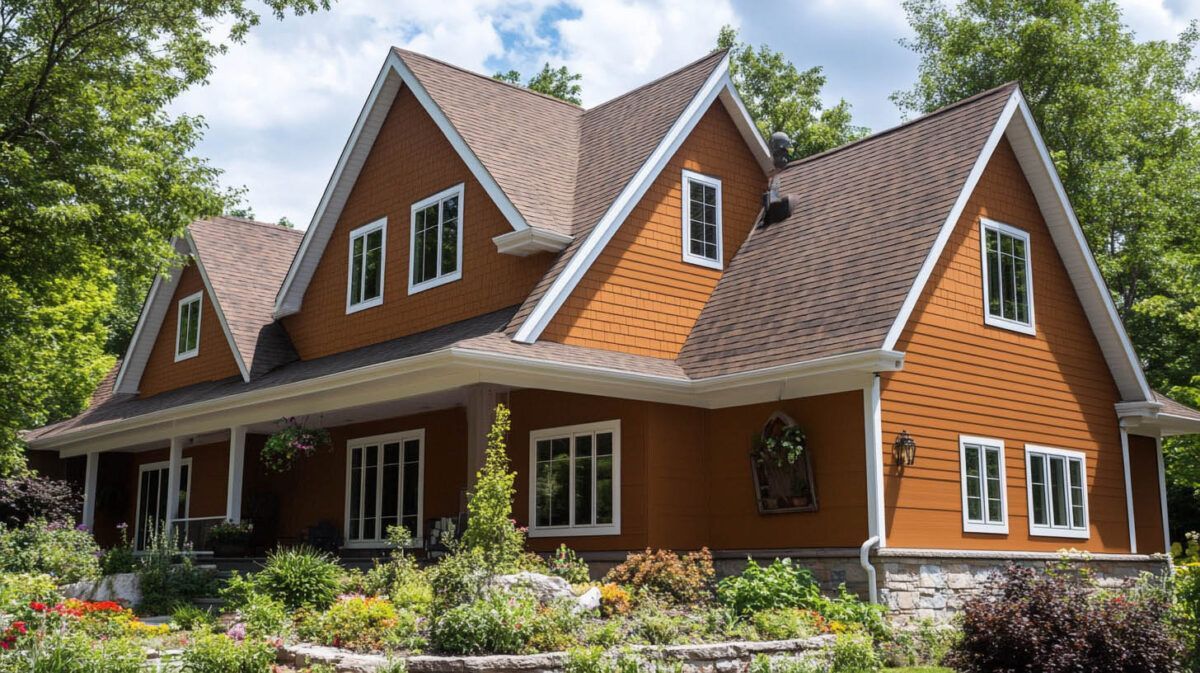
Choosing the right siding material is important for improving your home’s curb appeal and protection. Hardboard siding is a great option. It is affordable, looks good, and lasts a long time, which is why many homeowners pick it. This guide will help you learn more about hardboard siding. It will make it easier for you to decide what you need for your home improvements.
The Basics of Hardboard Siding
Hardboard siding is another name for pressboard siding or masonite hardboard siding. Many people choose it for their residential homes because it is affordable and known for its easy installation, while also looking like wood. But what is hardboard siding really? How has it changed over the years? Let’s explore the basics of hardboard siding.
What is Hardboard Siding?
Hardboard siding is a man-made wood product mostly made of wood fibers. These fibers often come from chopped aspen wood. They are held together with heat, pressure, and resins. This process creates strong and thick sheets. The result is a smooth and even surface. It looks like wood siding but costs less. This makes it popular among homeowners who want the warm feel of wood without spending too much.
Historical Development and Modern Usage
The use of hardboard lap siding started in the late 19th century. People mainly used it for barns and sheds because it was strong and cheap. As the way of making it got better, hardboard siding began being used in homes in the early 20th century. This made it a more affordable choice compared to regular wood siding. Today, the American Hardboard Association helps set rules for the industry. They make sure that different types of siding, including modern hardboard options, are of good quality and perform well.
Advantages of Choosing Hardboard Siding for Your Home
Hardboard siding has many great benefits that make it a favorite among homeowners. It is strong and lasts for a long time. It also looks nice with different styles. Plus, it is affordable. Let’s take a closer look at why hardboard siding is a good choice for your home.
Durability and Longevity
One major benefit of newer hardboard siding is its great durability. It is made to handle tough weather, resisting rot, warping, and cracking, even in extreme temperatures. This means it is a good choice for many climates, giving strong protection for your home. Unlike traditional wood siding, hardboard does not get damaged by moisture easily and is less likely to have problems with bugs. This helps it last longer.
Aesthetic Versatility
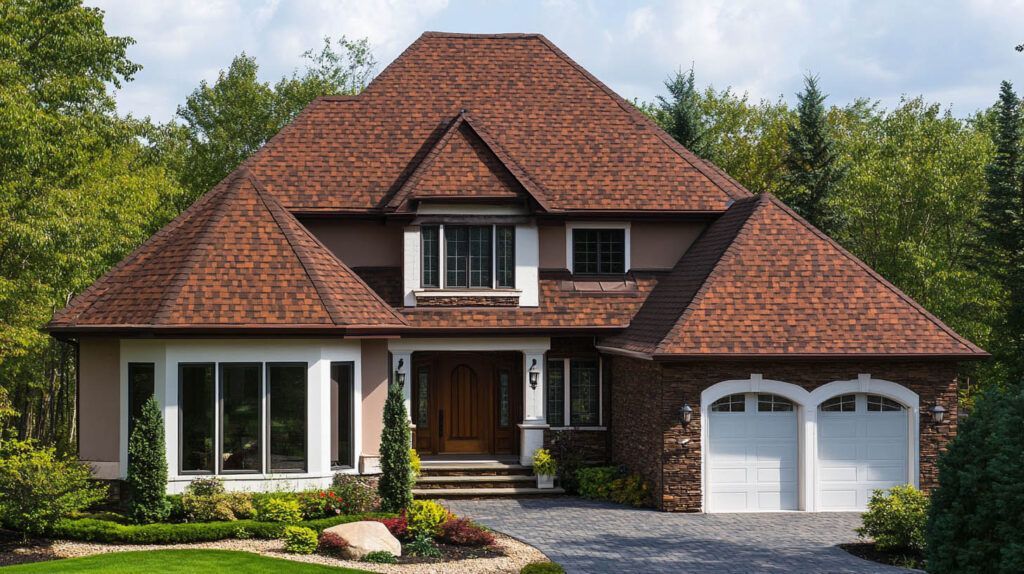
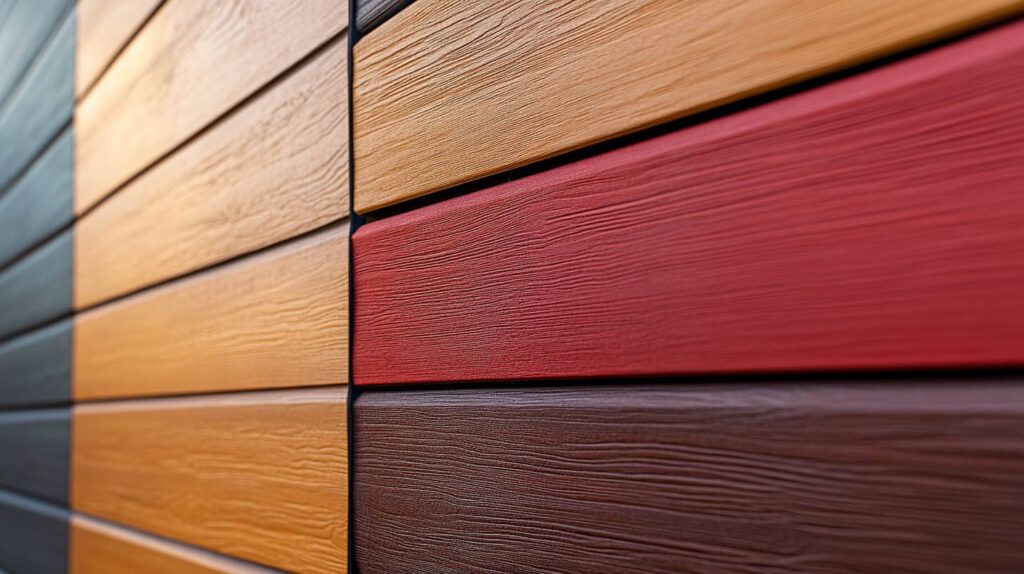
Hardboard siding is not only strong, but it also looks great and can boost your home’s curb appeal. You can choose from many colors, textures, and styles, making it easy to find the right fit for your home. If you like the look of wood, smooth surfaces, or textured looks, hardboard siding can help you create a look that is all your own.
Cost-Effectiveness Compared to Other Materials
When looking at siding options, cost matters a lot to homeowners. Hardboard siding is a good choice because it is affordable, especially when you compare it to brick or stone. It lasts a long time and needs little upkeep, which makes it a smart option for your wallet over time. If you look at the cost per square foot, hardboard siding is often the best option for those on a budget. This choice does not affect the quality or the look of your home.
Understanding the Cons of Hardboard Siding
Hardboard siding is a popular choice for many homeowners due to its numerous advantages, such as affordability, durability, and versatility in design. However, like any building material, hardboard siding also has its drawbacks that should be carefully considered before making a decision. One of the main concerns with hardboard siding is its susceptibility to moisture damage, which can lead to swelling, warping, and rotting if not properly maintained. Another downside is that hardboard siding may require more frequent painting or sealing compared to other siding materials, adding to the overall maintenance costs over time.
Despite these limitations, being aware of the potential downsides of hardboard siding allows homeowners to weigh the pros and cons effectively. By understanding these drawbacks, individuals can make an informed decision on whether hardboard siding aligns with their home’s needs and maintenance requirements in the long term. It is essential to conduct thorough research and consult with professionals before committing to hardboard siding installation to ensure it is a suitable choice for your property.
Susceptibility to Moisture and Weather Damage
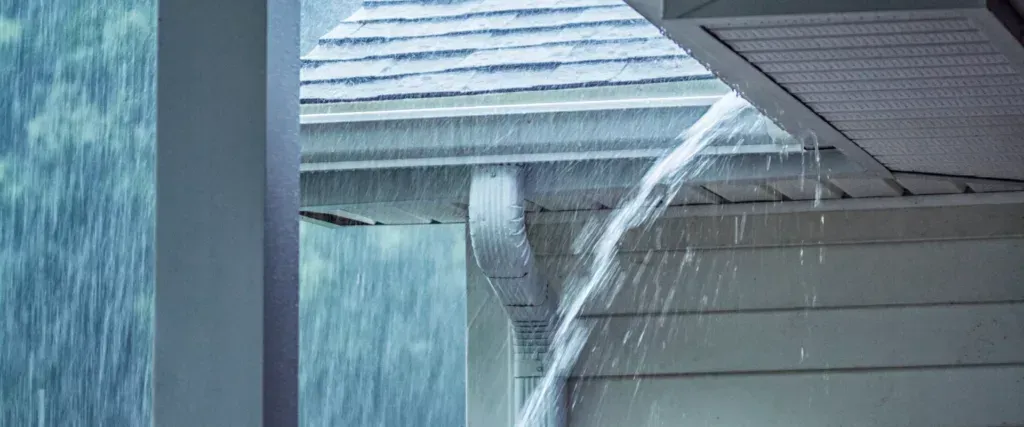
While hardboard siding is strong, it can still be damaged by moisture and water damage. If it is not put in place correctly, sealed well, or taken care of, it may soak up water. This can cause problems like swelling, warping, and even rot. Proper care is important to reduce these risks. It is also key to have good flashing around windows, doors, and other openings to stop water from getting in. Checking it regularly and fixing any cracks or gaps quickly is essential to keep it strong.
Maintenance Requirements to Prevent Deterioration
Even though hardboard siding is promoted as requiring little upkeep, it still needs regular care. Homeowners must clean and check for signs of damage often to keep it in good shape. If regular maintenance is ignored, it can wear out faster. This can shorten its life and lead to expensive repairs or a complete replacement sooner than hoped.
Limitations in Style and Color Options
Hardboard siding is available in many colors and various textures. However, it has fewer style options than other materials such as vinyl siding or fiber cement siding. Homeowners who want a wide range of architectural styles or a unique look may find the choices a bit limited. If you have a specific design in mind, it’s important to compare the style options of hardboard siding with other siding materials before making your final choice.
Comparing Hardboard Siding with Other Materials
When selecting the ideal siding for your home, it’s crucial to evaluate the pros and cons of different materials. Hardboard siding often comes up in discussions alongside vinyl and fiber cement options. To help you make an informed decision, let’s explore how hardboard siding stacks up against these well-liked alternatives. Also known as engineered wood siding, hardboard siding serves as a budget-friendly option that closely resembles genuine wood while requiring less upkeep. It boasts great insulation capabilities and can be painted or stained effortlessly to align with your home’s style. Conversely, vinyl siding is celebrated for its resilience and minimal maintenance demands. Resistant to issues like rot, insect damage, and fading, it presents a durable choice for homeowners. Nonetheless, some individuals might feel that vinyl falls short in providing the authentic look of wood.
Hardboard vs. Vinyl Siding
Vinyl siding is favored by many homeowners due to its affordability and low maintenance requirements. On the other hand, hardboard siding is often chosen for its superior aesthetic appeal, closely resembling real wood. While both types of siding are durable, hardboard siding generally outperforms vinyl in terms of impact resistance and its ability to withstand fluctuations in temperature.
In terms of upkeep, vinyl siding is known for being low-maintenance, requiring minimal cleaning efforts. Conversely, hardboard siding demands more attention and care to maintain its appearance and longevity. Homeowners must consider these factors when selecting the most suitable siding option for their property based on their preferences and maintenance capabilities.
Hardboard vs. Fiber Cement Siding
Hardboard and cement fiber siding are two popular options for homeowners. While hardboard is made of wood fibers bonded together, fiber cement consists of cement, sand, and cellulose fibers. Both materials offer durability but differ in installation processes and maintenance requirements. Hardboard siding is lighter and easier to install, making it a preferred choice for many. On the other hand, fiber cement siding is heavier and requires careful handling during installation. Cement fiber siding is known for its superior resistance to harsh weather conditions, whereas hardboard may be more prone to moisture damage if not properly maintained. Ultimately, the choice between hardboard and cement fiber siding depends on factors like budget, climate, and desired aesthetics.
Our Certifications and Accolades
We are proud of our hard work in achieving important certifications and awards from top organizations, including being BBB A+ accredited, Guildmaster (Guildquality), INC 5000, Google Guaranteed, and Qualified Remodeler top 100 satisfaction. Our team takes part in extensive training to keep up with the newest methods for installing siding. This way, we can promise strong and long-lasting results. These certifications show our strong focus on providing high quality. You can trust that your home improvement project is in good hands with us..
Partnering with Top Brands for Quality Assurance
At 180 Contractors Roofing & Siding, we think it’s important to use the best materials for your new siding. This way, we can deliver great results that last a long time. We work with top brands in the industry, like James Hardie, Alside, and Everlast, which are well-known for their high-quality siding products. By teaming up with trusted manufacturers, we give our customers the best choices. This helps ensure they are happy and feel secure.
Trust the Experts
When deciding on siding materials for your home, the choice can be overwhelming with the array of options available. Understanding hardboard siding, with its aesthetic appeal and durability, is essential. While hardboard siding offers advantages like customization options and ease of installation, it is crucial to consider factors like moisture damage and proper maintenance to ensure longevity. Comparing hardboard siding with alternatives like fiber cement or vinyl siding can help you make an informed decision based on your specific needs and budget. Partnering with a reputable siding contractor like 180 Contractors Roofing & Siding in Waterford, MI ensures proper installation and quality materials for your home. Making the right choice now can enhance your home’s curb appeal and protection for years to come.
Frequently Asked Questions
What are the downsides of Hardie board siding?
Hardie board siding is strong and lasts a long time. However, you need to take care of it to avoid moisture damage. It is also heavier than some other options. Plus, it might not have as many style options as other siding materials.
What is the life expectancy of hardboard siding?
With proper care, hardboard siding can last many years. But, if you ignore regular maintenance, it might not last as long.
Is hardboard a good siding?
Hardboard siding is a smart choice for many people. It is cost-effective and looks nice, which helps with curb appeal. It also lasts a long time and comes in different styles, making it a strong option for your home.
Learn more about
clapboard and lattice siding.
GET A FREE QUOTE
We will get back to you as soon as possible.
Please try again later.
Recent Posts