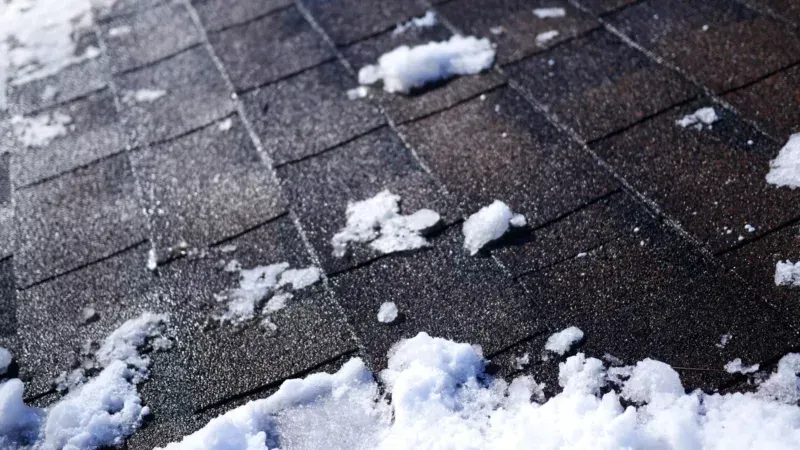
Roofing systems are built to last, but nothing lasts forever. Over time, even the most durable roofs begin to show signs of aging—and understanding what that means can help you take proactive steps to protect your home. For homeowners in Bloomfield Hills, MI, staying informed about how aging affects roofing performance is essential to safeguarding both comfort and property value.
At
180 Contractors Roofing & Siding, we help homeowners evaluate the health of their roofing systems and plan smart, timely upgrades or repairs based on age and performance.
The Stages of Roof Aging
Every roof follows a lifecycle that can span anywhere from 15 to 50 years depending on material type, installation quality, and maintenance. Here’s what typically happens as a roof ages:
Early Years (0–10 Years)
In the initial phase, a roof operates at peak performance. Materials are still flexible and fully sealed, and there are typically no signs of deterioration. Maintenance should still be performed to keep things optimal.
Mid-Life (10–20 Years)
Depending on the roofing material, this is when signs of aging might begin. You may notice slight granule loss on shingles, minor cracking, or algae growth. This is a critical time for regular inspections.
Late Stage (20+ Years)
Most roofs will begin to degrade noticeably in their later years. Shingles may curl or crack, leaks become more frequent, and structural issues could arise. In this phase, performance drops quickly if issues aren’t addressed.
Key Signs of Roof Aging
Granule Loss
One of the earliest and most visible signs of an aging roof is the loss of granules from asphalt shingles. This protective coating helps resist UV rays and water damage. When the granules start shedding, the shingles are more vulnerable to weather and wear.
Curling or Cracking Shingles
Extreme temperatures and moisture can cause roofing materials to expand and contract, eventually leading to curling edges or cracked surfaces. These defects open the door for water infiltration.
Dark Streaks or Moss Growth
Aging roofs often retain moisture more easily, especially if they have poor ventilation. This can lead to moss, algae, and mold, which not only degrade the materials but also indicate potential ventilation problems.
Persistent Leaks or Water Stains
If you notice water stains on your ceilings or walls, or see signs of mold in the attic, your roof may be failing to keep water out. This is often a symptom of advanced roof aging and should be addressed quickly.
How Roof Aging Impacts Performance
As a roof ages, it becomes less effective at insulating your home, repelling water, and resisting the impact of storms or debris. This not only affects your comfort and safety but also drives up energy bills and leads to more frequent repairs.
Lower Energy Efficiency
Gaps or damaged insulation from roof wear can make it harder to regulate indoor temperatures. That translates to higher heating and cooling costs year-round.
Reduced Structural Integrity
Water infiltration from old, failing roofs can lead to wood rot, sagging, and even interior damage to walls and ceilings. The longer it goes unaddressed, the more costly the repairs.
Higher Risk During Storms
Aging materials are more likely to blow off during high winds or heavy rain. A roof that might have weathered a storm 10 years ago could now be at serious risk.
Knowing When to Replace
Roof aging doesn’t automatically mean you need a full replacement—but it is a warning sign. With the help of a certified professional, you can determine whether targeted repairs or a full re-roofing is the best long-term solution.
Professional Insight You Can Trust
As a BBB A+ accredited company with recognition from GuildQuality, Owens Corning, and others, we’re committed to honest assessments and exceptional workmanship. We don’t just look at surface issues—we evaluate the full condition of your roofing system to make sure you get the most out of your investment.
Final Thoughts
Roof aging is inevitable, but how you respond to it makes all the difference. Understanding the stages and symptoms of roof wear helps you plan ahead and avoid surprise costs.
For homeowners in Bloomfield Hills, MI, working with a reliable contractor like 180 Contractors Roofing & Siding ensures that aging roofs are handled with expertise and care. Schedule your inspection today to assess the true condition of your roof and keep your home protected for years to come.
Read also our blog:
How Routine Roof Maintenance Can Save You Money Over Time