
Understanding Roof Decking: Delving Deeper The Comprehensive Guide

180 Contractors • July 10, 2026

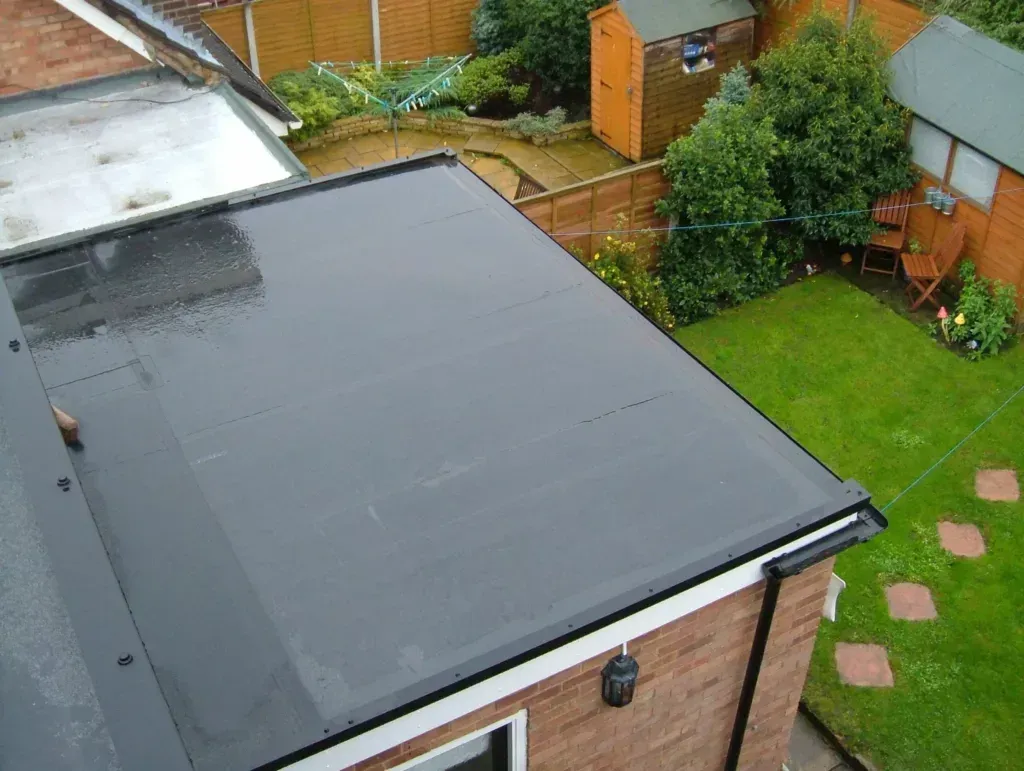
Flat roofs, while aesthetically pleasing and practical for various uses, are prone to leaks that can compromise the structural integrity of buildings. Addressing these leaky flat roofs promptly and effectively is crucial to prevent water damage and maintain the building’s safety. This detailed guide outlines the steps to diagnose and repair leaks in different types of flat roofs, ensuring long-term protection and durability.


Prioritizing Safety: Essential Precautions for Roof Repairs

Safety is the foremost concern when undertaking roof repairs. The use of appropriate safety gear, such as a safety harness, slip-resistant shoes, and safety goggles, cannot be overstated. These precautions, along with choosing a clear, dry day for the work, ensure that the repair process is as safe as possible. A sturdy ladder, correctly positioned, provides safe access to the roof. Employing the buddy system, where a second person remains on the ground for assistance, enhances safety. Awareness of potential hazards, such as power lines and overhanging branches, and having an emergency plan in place, are also critical components of a safe repair strategy.


Identifying the Leak: The Crucial First Step to Leaky Flat Roofs

Locating the source of the leaky flat roofs is often the most challenging aspect of roof repair. Water can travel far from its entry point, making the origin of the leak difficult to identify. An interior inspection for signs of water damage, such as stains, mold, or a musty smell, can provide initial clues. Simulating rain conditions with a garden hose, starting from the lowest point of the roof and working upwards, helps pinpoint the leak. This method requires effective communication between the person on the roof and a partner inside the building to identify when and where water starts to penetrate.


Repair Techniques for EPDM and TPO Roofs

EPDM and TPO roofs are favored for their resistance to environmental factors. Repairing leaks in these materials involves cleaning the area around the leak, preparing a patch from the same material, and applying a compatible adhesive. The patch must be carefully placed and pressed to eliminate air bubbles, ensuring a secure bond. The duration of the adhesive’s curing process is essential for the effectiveness of the repair.


Solutions for Built-Up Roofs

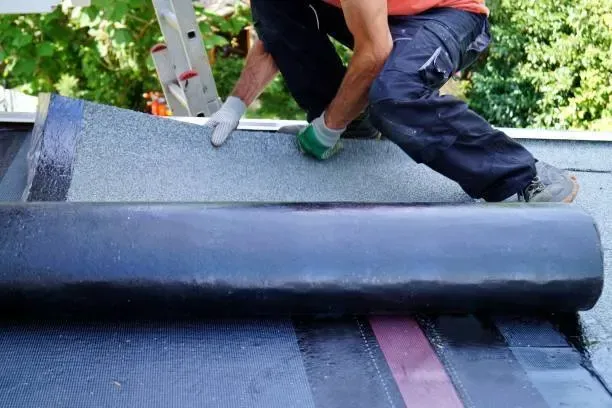
Built-up roofs require a different approach due to their layered composition. The repair process involves removing the top layer of gravel to expose the damaged area, cutting out the affected layers, and replacing them with new roofing felt. The layers are then compacted with a heavy roller and covered with gravel to restore the roof’s integrity.


PVC Roof Repairs

PVC roofs are known for their energy efficiency and durability. Repairing a leak in a PVC roof starts with thoroughly cleaning the area. Small punctures can be fixed with a solvent-based adhesive applied to a PVC patch. Larger repairs may necessitate heat-welding a new piece of PVC to ensure a watertight seal. A thorough inspection and water test post-repair confirm the effectiveness of the repair.


Addressing Leaks in Modified Bitumen Roofs

Modified bitumen roofs blend traditional and modern roofing materials’ benefits. Repairs involve cleaning the area, applying a compatible patch, and, for significant damage, possibly using a torch-on membrane. Proper application and inspection of the patch are essential to maintain the roof’s integrity and prevent future leaks.


Metal Roof Leak Repairs

Metal roofs, while long-lasting, can develop leaks around seams and fasteners. Cleaning the area, treating rust, and sealing small holes with compatible roofing cement are key steps in the repair process. For larger gaps, a metal patch sealed with roofing sealant provides a durable solution. Regular inspections help detect and address potential leaks early.


Advanced Repair Strategies

Beyond the basic repair techniques, several advanced strategies can ensure the longevity and effectiveness of roof repairs. Understanding the specific characteristics of each roofing material and employing specialized tools and techniques can significantly enhance the repair process. For instance, infrared thermography can be used to detect moisture beneath the roof surface, identifying leaks that are not visible to the naked eye. Additionally, regular maintenance, including cleaning drains and inspecting for damage, can prevent leaks from developing.


Sustainable Roofing Solutions

Incorporating sustainable practices into roof repair and maintenance can extend the life of the roof and reduce environmental impact. Using eco-friendly materials and methods, such as reflective coatings that decrease heat absorption, can improve the energy efficiency of the building. Rainwater harvesting systems can also be integrated into the roof design, contributing to water conservation efforts.


Professional Assistance

While many leaks can be addressed with DIY methods, complex or extensive damage may require professional intervention. Roofing professionals have the expertise, tools, and materials to diagnose and repair leaks effectively, ensuring the work is done safely and efficiently. Choosing a reputable roofing contractor, such as 180 Contractors Roofing and Siding in Waterford, MI, guarantees that your flat roof is in capable hands.


Conclusion

Repairing leaky flat roofs is a critical task that requires a thorough understanding of different roofing materials, a commitment to safety, and the right repair techniques. By following this comprehensive guide, building owners can effectively address leaks, protecting their property from water damage and ensuring the longevity of their flat roofs. For those seeking professional assistance, 180 Contractors Roofing and Siding offers expert roofing services, ensuring high-quality repairs and maintenance for all types of flat roofs.

GET A FREE QUOTE

Share this article

Recent Posts

By 180 Contractors July 14, 2026
A roof leak is more than just an inconvenience; it’s a breach in your home’s first line of defense against the elements. Identifying and addressing the source of a roof leak promptly can prevent further damage to your home. This guide delves into the ten most common roof leak locations, offering insights into detection and prevention strategies that ensure your home remains dry and secure. 1. Shingle Damage Shingles are the outermost layer of protection for many roofs. Over time, they can become damaged due to severe weather conditions, falling debris, or wear and tear. Cracked, missing, or curled shingles are clear indicators that water may infiltrate your home. Detection Tips: Regularly inspect your roof for shingle damage, especially after heavy storms. Look for signs of shingle granules in gutters; this can indicate advanced wear. 2. Improperly Sealed Valleys Valleys, where two roof planes meet, are prone to leaks if not sealed correctly. Water can seep through the gaps and into your home if the sealant deteriorates over time or if the initial installation was flawed. Prevention Strategies: Ensure valleys are properly sealed during installation and maintenance checks. Consider installing metal flashing for added durability and protection. 3. Roof Flashing Compromise Flashing, typically made of metal, is used to direct water away from critical areas of the roof, such as chimneys, vents, and where the roof meets a wall. If flashing is damaged or loosens, it can become a prime entry point for water. Maintenance Advice: Inspect flashing regularly for signs of rust, cracks, or separation. Replace damaged flashing immediately to prevent water damage. 4. Vent Boot Deterioration Vent boots, which seal the area around roof vents, can deteriorate over time, allowing water to enter the home. Cracked or worn vent boots are common sources of leaks. Inspection Tips: Check the rubber seals around vent boots for signs of wear or cracking. Replace any damaged vent boots as part of routine roof maintenance. 5. Skylight Leaks Skylights add natural light to your home but can be vulnerable to leaks if not installed correctly or if the seals around them fail. Leak Prevention: Ensure skylights are installed with proper flashing and sealing. Regularly check the seals for cracks or gaps and reseal as necessary. 6. Clogged Gutters Gutters play a crucial role in directing water away from your roof and home. When gutters are clogged with debris, water can back up and seep under the roof shingles, leading to a roof leak. Regular Maintenance: Clean gutters at least twice a year to prevent blockages. Consider gutter guards to reduce debris accumulation. 7. Chimney Wear and Tear The intersection of your chimney is a common location for a roof leak, especially if the chimney cap is damaged or the mortar between bricks has eroded. Chimney Care: Inspect the chimney cap and replace it if damaged. Repointing the chimney can prevent water from entering through eroded mortar. 8. Ice Dam Formation In colder climates, ice dams can form at the roof’s edge, preventing melting snow from draining off the roof. This can lead to water backing up under the shingles and into the home. Ice Dam Mitigation: Ensure your attic is well-insulated to prevent heat from escaping and melting snow unevenly. Install roof heating cables to prevent ice dam formation. 9. Attic Condensation A poorly ventilated attic can lead to condensation buildup, which may mimic a roof leak. This moisture can damage your roof structure and interior ceilings. Ventilation Solutions: Improve attic ventilation to allow moisture to escape. Insulate attic floors to prevent warm air from rising and condensing. 10. Age-Related Wear Over time, roofing materials can deteriorate, making your roof more susceptible to leaks. Regular inspections can identify potential problems before they lead to significant damage. Longevity Tips: Schedule professional roof inspections annually. Consider a roof replacement if your roof is beyond its expected lifespan and repairs are frequent. Partnering with Professionals: when You Have a Roof Leak For homeowners in Waterford, MI, facing persistent roof leak challenges, partnering with a reputable roofing contractor like 180 Contractors Roofing and Siding can provide peace of mind. Their expertise in identifying and repairing leak sources ensures your home remains protected against the elements. Conclusion Addressing your roof leak promptly and effectively requires an understanding of the most common leak locations and their prevention strategies. By staying vigilant and undertaking regular maintenance, homeowners can safeguard their homes against the potentially devastating effects of water damage.

Aerial view of a large blue-gray house with dormer windows and a landscaped yard in autumn
By 180 Contractors May 14, 2026
Your roof works silently year after year, shielding your home from rain, wind, sun, and snow. But like every part of your home, it doesn’t last forever. The key is knowing when repair is no longer enough—and a full roof replacement is the smarter, safer move. For homeowners in Bloomfield Hills, MI, where intense season
Rainwater pouring from a house roof and gutter during a storm
By 180 Contractors April 13, 2026
Michigan weather can be tough on homes, especially when it comes to your roof. From heavy snow in the winter to strong thunderstorms in the summer, each season brings conditions that can wear down roofing materials over time. Knowing how these storms affect your roof can help you catch problems early and avoid more ser