Introduction
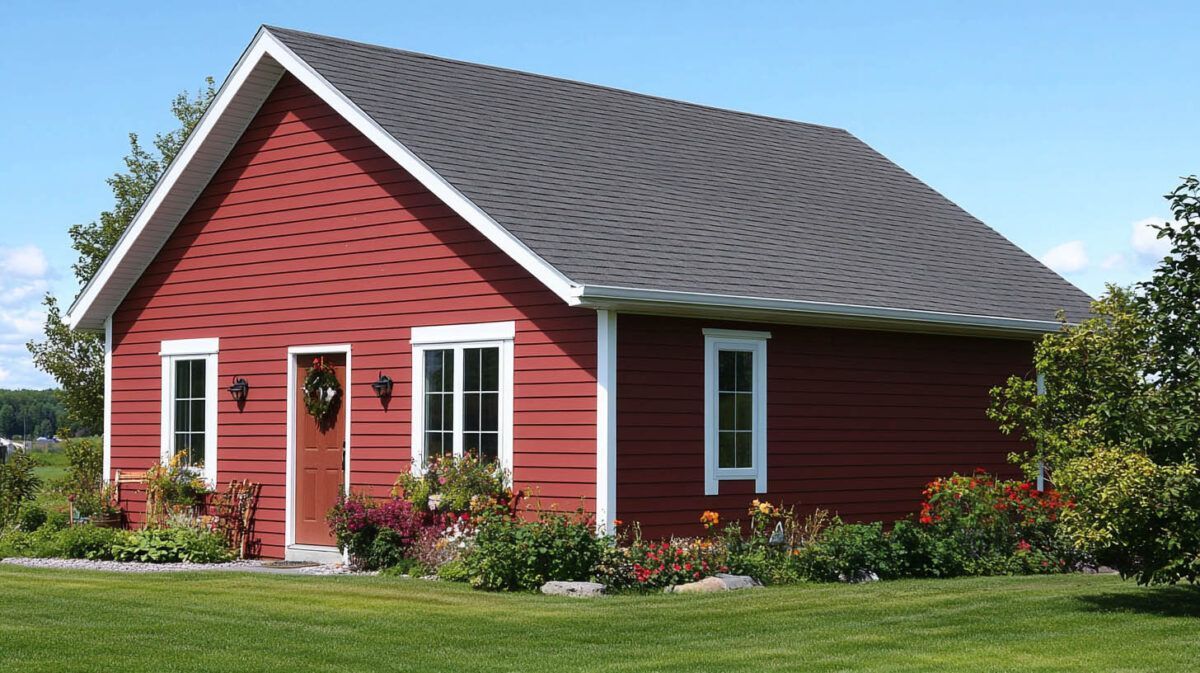
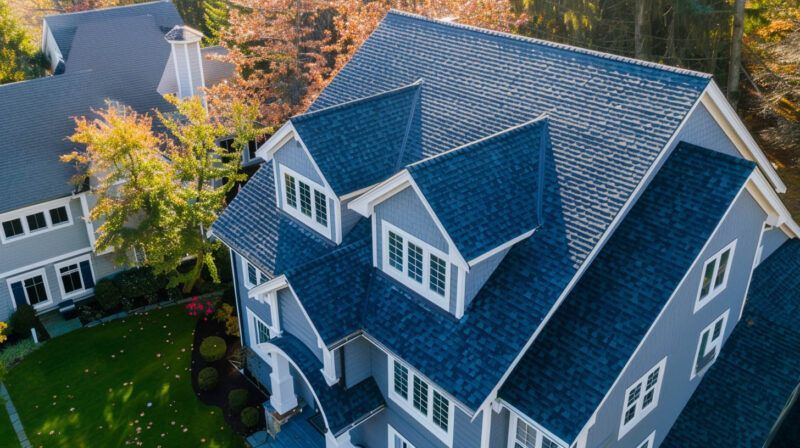
Vinyl siding has become one of the most popular exterior cladding options for homeowners due to its affordability, durability, and minimal maintenance requirements. When properly installed and maintained, vinyl siding can protect a home’s structure while maintaining its curb appeal for decades. The longevity of vinyl siding depends on various factors, including material quality, installation techniques, climate conditions, and routine maintenance.
The Average Lifespan of Vinyl Siding
How Long Does Vinyl Siding Last?
High-quality vinyl siding typically lasts between 30 to 40 years, though some premium products can last up to 50 years with proper care. Factors such as sun exposure, moisture levels, and extreme temperatures can influence its longevity.
Factors That Affect Vinyl Siding Lifespan
- Material Quality –
Thicker and more durable siding lasts longer than thinner, lower-grade options.
- Climate Conditions – Prolonged exposure to harsh UV rays, freezing temperatures, and high humidity can shorten its lifespan.
- Installation Techniques –
Improperly installed siding may lead to warping, moisture infiltration, and premature failure.
- Maintenance Routine –
Regular cleaning and inspections help prevent minor damage from escalating.
The Evolution of Vinyl Siding
Early Development
Vinyl siding was introduced in the 1950s as a lightweight, low-maintenance alternative to wood and aluminum siding. Initially, it had durability issues, including warping and fading.
Modern Advancements
Today’s vinyl siding is engineered for superior strength, fade resistance, and impact resistance. Manufacturers now incorporate UV-resistant coatings, foam-backed insulation, and thicker panel designs to improve longevity.
Signs That Vinyl Siding Needs Replacement
Fading and Discoloration
Vinyl siding exposed to excessive sunlight may begin to fade over time. Faded siding not only diminishes curb appeal but may indicate that the material’s protective layer is deteriorating.
Cracking and Warping
Warped or cracked panels compromise the siding’s ability to shield the home from moisture and pests. Common causes include improper installation, temperature fluctuations, and impact damage.
Moisture and Mold Growth
If moisture seeps behind the siding, it can lead to mold, mildew, and structural damage. Signs to watch for:
- Bubbling or peeling paint inside the home
- Soft or swollen walls
- Green or black streaks on siding panels
Increased Energy Bills
Well-installed vinyl siding acts as an additional insulation layer. If energy costs rise unexpectedly, it could be due to gaps, leaks, or poor insulation caused by aging siding.
Extending the Lifespan of Vinyl Siding
Regular Cleaning and Maintenance
Dirt, pollen, and mildew can accumulate on vinyl siding, reducing its appearance and durability. A simple cleaning routine can help preserve its lifespan.
Cleaning Instructions:
- Mix a mild detergent with water in a bucket.
- Use a soft-bristle brush or a sponge to scrub away dirt.
- Rinse thoroughly with a garden hose.
- For mold and mildew, apply a vinegar-water solution and let it sit before rinsing.
Proper Installation Techniques
Hiring a qualified contractor ensures that the siding is installed correctly, preventing buckling, moisture infiltration, and premature wear. Key installation factors include:
- Leaving expansion gaps to accommodate temperature-related expansion and contraction.
- Using house wrap or insulation boards for extra protection.
- Ensuring panels are securely locked into place without being nailed too tightly.
Protecting Siding from Environmental Damage
- Trim tree branches to prevent impact damage from falling limbs.
- Avoid placing grills or heat sources too close to the siding, as excessive heat can cause warping.
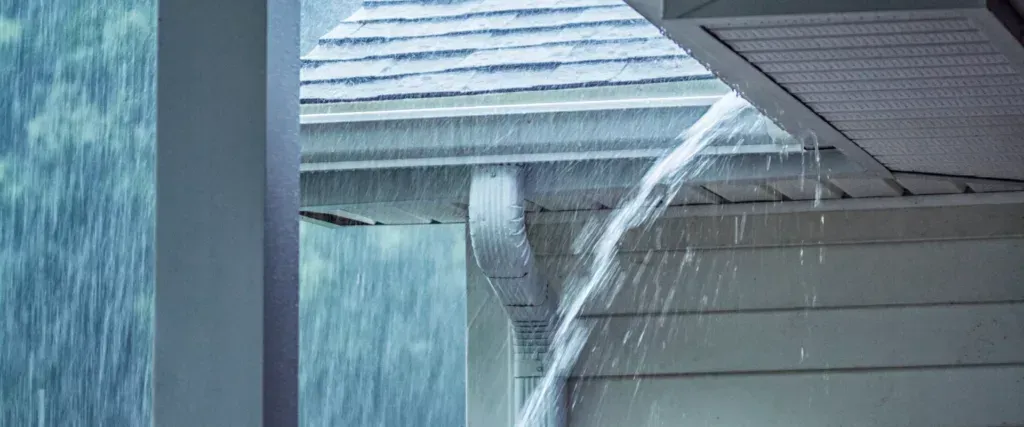
- Ensure gutters and downspouts direct water away from the siding to prevent moisture damage.
How Vinyl Siding Compares to Other Materials
Vinyl vs. Fiber Cement
- Vinyl siding is more affordable and requires less maintenance.
- Fiber cement siding is more resistant to fire and extreme weather but requires periodic repainting.
Vinyl vs. Wood
- Wood siding provides a classic appearance but requires regular painting and sealing.
- Vinyl siding mimics wood textures but does not require ongoing maintenance.
Vinyl vs. Metal
- Aluminum siding is durable but prone to denting.
- Vinyl siding is more flexible and resistant to impact.
The Role of High-Quality Siding Brands
Working with trusted brands ensures superior performance and longevity. Recommended manufacturers include:
- James Hardie –
Known for durable fiber cement siding.
- Alside – Specializes in energy-efficient vinyl siding.
- Everlast – Offers composite siding with minimal maintenance requirements.
For expert vinyl siding installation in Rochester Hills, MI, 180 Contractors Roofing & Siding provides professional services backed by years of experience and high-quality craftsmanship.
Conclusion
Vinyl siding remains a top choice for homeowners due to its affordability, durability, and ease of maintenance. By choosing high-quality materials, ensuring proper installation, and maintaining a regular cleaning routine, homeowners can maximize the lifespan of their siding. Regular inspections and timely replacements prevent structural issues and enhance long-term home value.
FAQs
1. How often should vinyl siding be replaced?
Vinyl siding typically lasts 30 to 40 years, but homeowners should inspect it every year for signs of wear or damage.
2. Can vinyl siding be repaired, or does it need to be replaced?
Minor cracks or holes can be patched, but extensive damage or warping may require panel replacement.
3. Does vinyl siding require painting?
No. Most vinyl siding comes with a pre-colored finish that resists fading. However, some homeowners choose to paint older siding to refresh its look.
4. How can I prevent mold from growing on vinyl siding?
Regular cleaning and ensuring proper drainage around the home help prevent mold and mildew growth.
5. What is the best way to clean vinyl siding?
A garden hose and a soft-bristle brush with a mild detergent are sufficient. Pressure washers can be used on a low setting to avoid damage.
Read also our blog:
Essential James Hardie Siding Tips for Homeowners