Understanding the Drawbacks of Aluminum Siding
Aluminum siding was once a popular choice for homeowners seeking a lightweight and affordable exterior material. During the mid-20th century, it was widely used for its easy installation and sleek finish. However, as time has passed, aluminum siding has shown its weaknesses, making it an outdated option for modern homes.
Why Aluminum Siding Falls Short
- Denting and Damage – Aluminum is a soft metal that is highly susceptible to dents and dings, making it difficult to maintain its original appearance. Hail, fallen branches, or accidental impacts can cause noticeable damage.
- Frequent Maintenance Needs –
While aluminum does not rot like wood, it still requires frequent repainting to maintain its look. The color fades over time due to sun exposure, requiring homeowners to repaint every few years.
- Lack of Insulation –
Aluminum siding does not offer much thermal insulation, leading to higher energy costs in extreme temperatures. This inefficiency can impact heating and cooling expenses significantly.
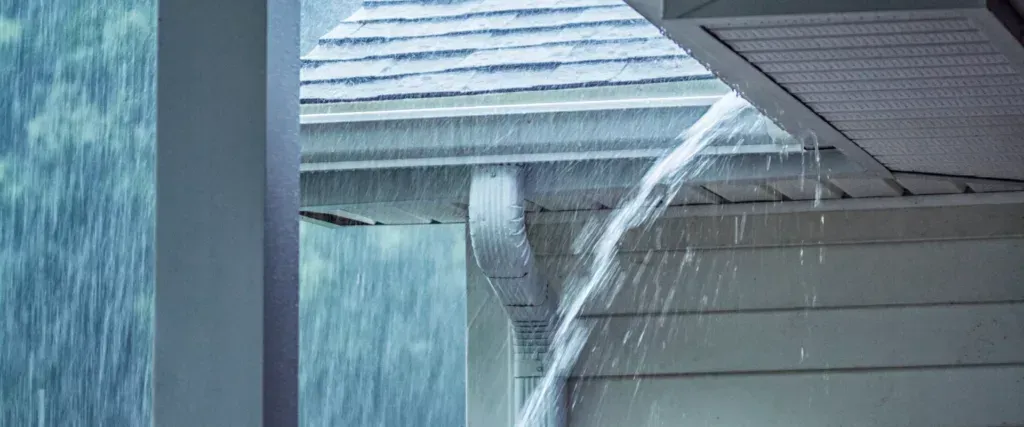
- Noise Issues – One of the most common complaints about aluminum siding is the noise it creates. Rain, hail, and strong winds can produce a loud, disruptive sound that many homeowners find bothersome.
- Prone to Corrosion –
While aluminum does not rust, it can corrode over time, leading to unsightly blemishes on the exterior of your home. This can be especially problematic in humid or coastal environments.
Why Fiber Cement Siding is a Superior Alternative
For homeowners seeking a long-lasting, low-maintenance upgrade, fiber cement siding—particularly James Hardie siding—offers an excellent alternative to aluminum.
Unmatched Durability and Longevity
Fiber cement siding is a composite material made from cement, sand, and cellulose fibers, resulting in an exceptionally strong and resilient exterior cladding. Unlike aluminum, fiber cement resists dents, warping, and cracking, ensuring a lasting investment for homeowners.
- Resists Extreme Weather Conditions – Fiber cement siding is designed to withstand harsh weather elements, including heavy rain, strong winds, and freezing temperatures. Unlike aluminum, it does not expand or contract significantly due to temperature changes.
- Fire Resistance – Unlike wood or vinyl siding, fiber cement is non-combustible and can help protect your home in the event of a fire.
Low Maintenance and Lasting Aesthetic Appeal
Homeowners often choose fiber cement siding because of its minimal maintenance requirements and long-lasting beauty.
- Fade-Resistant Color –
With advanced ColorPlus® Technology, fiber cement siding maintains its vibrant appearance for up to 15 years, unlike aluminum, which requires frequent repainting.
- No Rot, No Pests –
Fiber cement does not rot, mold, or provide a breeding ground for pests like termites and woodpeckers, offering superior protection compared to aluminum.
Energy Efficiency and Insulation Benefits
Unlike aluminum, fiber cement siding offers better thermal insulation, improving a home’s energy efficiency. With proper installation, fiber cement can help reduce heating and cooling costs by providing a stronger barrier against outdoor temperatures.
Customization Options: Enhance Your Home’s Curb Appeal
Fiber cement siding is available in a wide range of textures, colors, and styles, making it easy to match the aesthetic of any home. Whether you prefer the traditional lap siding look or a board-and-batten farmhouse style, fiber cement provides versatility without compromising durability.
- Wood Grain Texture –
Achieve the look of natural wood without the maintenance hassles.
- Vertical or Horizontal Panels –
Customize your exterior design with a modern or classic aesthetic.
- Extensive Color Selections –
Choose from an array of prefinished colors designed to withstand UV exposure.
How Fiber Cement Siding Holds Up in Harsh Climates
For homeowners in regions with fluctuating weather conditions, fiber cement siding is an ideal solution. Unlike aluminum, which can become brittle in extreme cold or expand in high heat, fiber cement maintains its structural integrity year-round.
- Resists Moisture Damage – Unlike aluminum, which can corrode over time, fiber cement siding is engineered to resist water infiltration, preventing issues like mold and mildew.
- Withstands Strong Winds – Many fiber cement siding products are designed to resist winds up to 130 mph, making them a reliable choice for storm-prone areas.
Increase Property Value with a Lasting Investment
Installing fiber cement siding is one of the best ways to improve your home’s resale value. Potential buyers are often drawn to homes with durable, low-maintenance exteriors, and fiber cement siding offers just that.
- Higher ROI Compared to Aluminum – Homeowners who replace outdated aluminum siding with fiber cement typically see a higher return on investment (ROI) when selling their property.
- Attractive to Buyers – With enhanced curb appeal and longevity, fiber cement siding makes a home more desirable in the real estate market.
Choosing the Right Siding Contractor
When upgrading from aluminum siding to fiber cement, selecting an experienced and reputable contractor is crucial. 180 Contractors Roofing & Siding, located in Waterford, MI, specializes in high-quality siding installations, ensuring long-lasting results for homeowners.
Our certifications include:
- BBB A+ Accredited – Recognized for outstanding customer service and reliability.
- Guildmaster (GuildQuality) – Awarded for superior craftsmanship and customer satisfaction.
- INC 5000 – Ranked among the fastest-growing companies in the industry.
- Google Guaranteed – Verified for quality work and trustworthy service.
- Qualified Remodeler Top 100 Satisfaction – Recognized for delivering top-tier remodeling experiences.
We proudly install leading siding brands, including James Hardie, Alside, and Everlast, ensuring homeowners receive the best materials for their investment.
FAQs
1. Is fiber cement siding more expensive than aluminum?
While fiber cement siding has a higher upfront cost than aluminum, it offers superior durability, lower maintenance, and better long-term value, making it a more cost-effective choice over time.
2. How long does fiber cement siding last?
With proper installation and maintenance, fiber cement siding can last 50 years or more, significantly outlasting aluminum siding.
3. Can fiber cement siding be painted?
Yes, fiber cement siding can be painted, but with ColorPlus® Technology, it comes prefinished with long-lasting color that resists fading and chipping for up to 15 years.
4. Does fiber cement siding require a lot of maintenance?
No, fiber cement siding is low maintenance. A simple rinse with a garden hose once or twice a year is usually sufficient to keep it looking great.
5. Will fiber cement siding improve my home’s energy efficiency?
Yes, fiber cement siding provides better insulation than aluminum, helping to reduce heating and cooling costs by improving your home’s thermal efficiency.
Conclusion
Replacing outdated aluminum siding with durable fiber cement is a smart investment for homeowners seeking longevity, enhanced curb appeal, and better protection against the elements. With its superior strength, low maintenance, and long-lasting beauty, fiber cement siding outperforms aluminum in every aspect. Homeowners looking to upgrade their home’s exterior should consider this high-quality option to maximize value and performance.
Read also our blog:
Signs of Faulty Siding Installation and How to Fix Them