
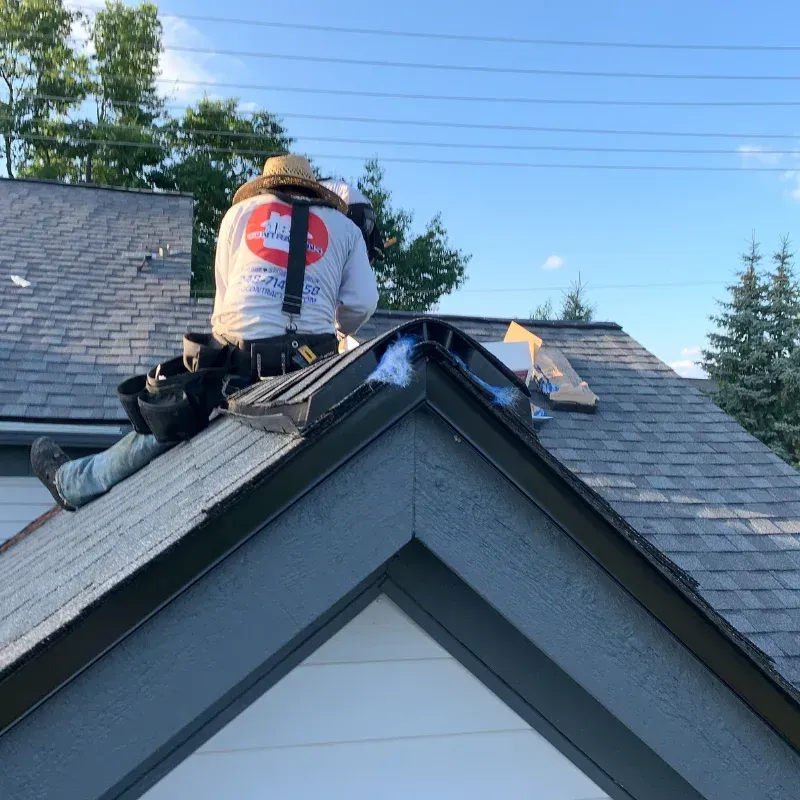
Roof Replacement? Should You Vacate Your Home

180 Contractors • July 17, 2026

In the architectural anatomy of a home, the roofing system plays a paramount role in safeguarding against the elements. Within this system, ventilation emerges as a critical, yet often overlooked, component. Its function transcends mere air circulation, impacting the structural integrity, energy efficiency, and longevity of the roof. This comprehensive guide delves into the nuances of ventilation in roofing systems, elucidating its mechanisms, essential components, diverse types, and the multifaceted benefits it confers upon a home.


The Science of Roof Ventilation

The principle underlying roof ventilation is straightforward yet profound: warm air ascends, and cooler air descends. This natural thermal movement is harnessed to regulate the attic’s climate, ensuring a harmonious balance that protects the roof and interior spaces from the ravages of extreme temperatures and moisture.


Core Components of a Robust Ventilation System

A well-engineered roof ventilation system comprises two pivotal elements: intake and exhaust vents. These components collaborate to foster a balanced airflow, crucial for maintaining optimal conditions within the attic space.

  • Intake Vents: Positioned at the roof’s eaves or soffits, these vents usher cool, fresh air into the attic, laying the groundwork for effective ventilation.
  • Exhaust Vents: Located at or near the roof’s apex, exhaust vents facilitate the expulsion of warm, moist air, completing the ventilation cycle.


This dual mechanism ensures a continuous air exchange, vital for the health and efficiency of the roofing system.


Diverse Ventilation Solutions

The architecture of a roof ventilation system can vary, incorporating different types of vents to achieve the desired airflow dynamics:

  • Ridge Vents: Seamlessly integrated into the roof’s ridge, these vents offer an unobtrusive solution for expelling hot attic air.
  • Gable Vents: Installed on the attic’s exterior walls, gable vents enable cross-ventilation, drawing in cool air while expelling warm air.
  • Soffit Vents: These vents are critical for air intake, situated under the roof’s overhang to draw cool air upward into the attic.
  • Turbine Vents: Utilizing wind power, turbine vents actively remove warm air and moisture, enhancing ventilation efficiency.
  • Box Vents: Positioned near the roof’s ridge, box vents allow hot, moist air to escape, aiding in temperature and humidity regulation.


Each vent type plays a specific role in the ventilation process, contributing to a comprehensive system that addresses the unique needs of each home.


The Multifaceted Benefits of Proper Ventilation in Roofing Systems

The advantages of a well-ventilated roof extend far beyond simple air circulation, offering significant benefits that enhance the home’s overall well-being.

  • Prolonged Roof Lifespan: By preventing excessive heat accumulation, proper ventilation safeguards roofing materials from premature degradation, extending the roof’s lifespan.
  • Moisture Control: Effective ventilation mitigates the risk of condensation, thereby reducing the potential for rot, mold, and mildew, which can compromise structural integrity and air quality.
  • Ice Dam Prevention: A balanced attic temperature prevents the thaw-refreeze cycle on the roof’s edge, averting ice dam formation and the associated water damage.
  • Energy Efficiency: By moderating attic temperatures, a ventilated roof reduces the reliance on heating and cooling systems, leading to lower energy consumption and costs.


180 Contractors Roofing and Siding, with a focus on roofing services in Waterford, Mi, underscores the critical importance of ventilation in maintaining a healthy, efficient roofing system. Our expertise ensures that your roof benefits from optimal ventilation, enhancing its performance and durability.


Advanced Ventilation Strategies

To achieve the full spectrum of benefits offered by roof ventilation, it’s essential to employ advanced strategies tailored to the specific architecture and climatic conditions of each home.


Custom Ventilation Solutions

Understanding that no two homes are alike, custom ventilation solutions are paramount. This involves a thorough assessment of the roof’s design, orientation, and local weather patterns to devise a system that effectively addresses the unique challenges presented by each property.


Technological Innovations

The field of roof ventilation is continually evolving, with new technologies and materials enhancing the efficiency and effectiveness of ventilation systems. From solar-powered vents that leverage renewable energy to smart vents that adjust airflow dynamically, these innovations offer promising avenues for optimizing roof ventilation.


Professional Installation and Maintenance

The complexity of roof ventilation underscores the importance of professional installation and maintenance. Expertise in the nuances of ventilation in roofing systems ensures that vents are correctly positioned and sized, providing the foundation for a well-functioning system. Regular maintenance further guarantees that the ventilation system continues to operate at peak efficiency, adapting to changing conditions and addressing any issues promptly.


Conclusion

The role of ventilation in roofing systems cannot be overstated. It is a critical component that influences the roof’s performance, durability, and the home’s overall comfort and energy efficiency. By embracing a comprehensive approach to roof ventilation, incorporating a mix of traditional and innovative strategies, homeowners can ensure their roofing system remains robust and efficient.


180 Contractors Roofing and Siding remains at the forefront of delivering tailored ventilation solutions that meet the specific needs of each home, ensuring that your roofing system is not only functional but also contributes to the sustainability and comfort of your living environment.


Through meticulous planning, advanced technologies, and professional expertise, we guarantee a roofing system that stands the test of time, safeguarding your home against the elements and enhancing its energy efficiency for years to come.

GET A FREE QUOTE

Share this article

Recent Posts

By 180 Contractors July 17, 2026
The Anatomy of a Roof Many people might underestimate the complexity of a roof, thinking it contains mostly shingles and perhaps a wood underlayer. If that were the case, though, roof leaks would be an epidemic in neighborhoods throughout the nation. In reality, while shingles in most cases form the most visible aspect of a residential roof, other elements must be present to provide true weather protection. At 180 Contractors, we know what goes into a quality roof and how these components protect the value of your home. Here is a closer look at the anatomy of a roofing system. Going Beyond Shingles Shingles come in a few varieties, but most shingles are made of asphalt and have a lifespan of around twenty years. When installed by a professional roofing contractor, shingles prevent water from penetrating the wood below. Beneath the shingles is an underlayer that is often composed of synthetic material. This layer repels moisture and prevents water infiltration. Additional elements of the roof system work in harmony: The flashing is made of metal and is needed alongside chimneys, dormers, and skylights The ridge vent runs horizontally along the roof peak and exhausts hot air from the attic The roof deck refers to the wooden underlayer A metal drip edge facilitates water runoff in the eave area The hip refers to the intersection of two roof planes and requires special hip shingles Looking at the Complete Package A failure of any component in your roofing system could spell trouble. Just one leak has the potential to cause damage to the structure of your home as well as its contents. A quality roofing contractor will understand the functions of all parts of your roof. If you require roofing services in southeast Michigan, 180 Contractors is committed to your satisfaction. We provide quality roof replacement, roof repair, and roof maintenance for your home. Contact us today to learn more.
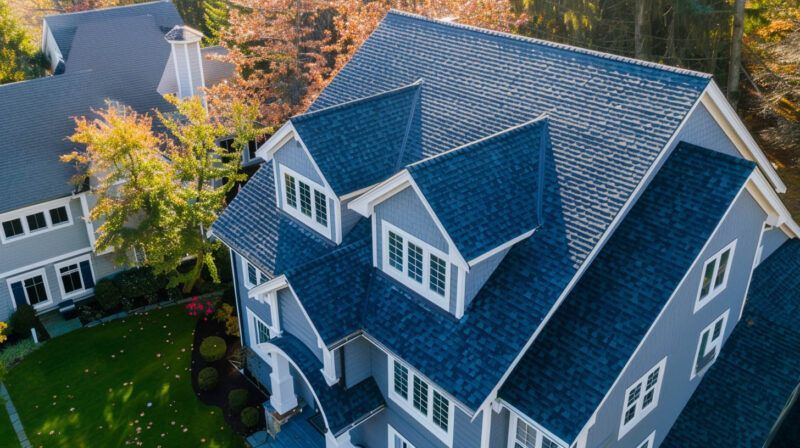
Aerial view of a large blue-gray house with dormer windows and a landscaped yard in autumn
By 180 Contractors May 14, 2026
Your roof works silently year after year, shielding your home from rain, wind, sun, and snow. But like every part of your home, it doesn’t last forever. The key is knowing when repair is no longer enough—and a full roof replacement is the smarter, safer move. For homeowners in Bloomfield Hills, MI, where intense season
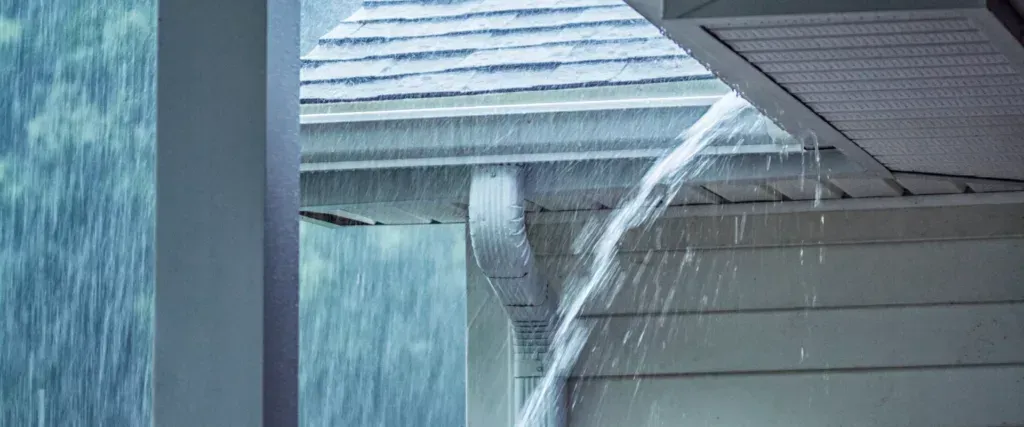
Rainwater pouring from a house roof and gutter during a storm
By 180 Contractors April 13, 2026
Michigan weather can be tough on homes, especially when it comes to your roof. From heavy snow in the winter to strong thunderstorms in the summer, each season brings conditions that can wear down roofing materials over time. Knowing how these storms affect your roof can help you catch problems early and avoid more ser