Introduction
Board and batten siding is a timeless and visually striking exterior cladding option that has been used for centuries. This classic siding style has seen a resurgence in popularity, blending rustic charm with modern aesthetics. Homeowners and designers alike appreciate its versatility, durability, and ability to enhance curb appeal. In this comprehensive guide, we will explore the history, benefits, materials, installation process, maintenance, and current trends in board and batten siding.
The History of Board and Batten Siding
Board and batten siding dates back over 200 years, originating from European building techniques. Early American settlers adopted this method due to its practicality in keeping barns and homes well-insulated and protected from the elements. Traditionally, it was constructed using wide wooden planks (boards) with narrow vertical strips (battens) covering the seams to prevent moisture infiltration. Over time, its unique aesthetic appeal led to its adoption in residential and commercial architecture.
Benefits of Board and Batten Siding
1. Timeless Aesthetic Appeal
Board and batten siding adds depth and dimension to a home’s exterior, making it a favorite for both traditional and modern designs. Its vertical lines create an illusion of height, making homes appear taller and more elegant.
2. Exceptional Durability
Modern board and batten siding options, such as fiber cement, engineered wood, and vinyl, offer superior resistance to weather, pests, and rot. These materials ensure longevity and reduce maintenance efforts.
3. Enhanced Energy Efficiency
The overlapping structure of board and batten siding acts as an additional insulation layer, helping to regulate indoor temperatures. This reduces energy costs by improving heating and cooling efficiency.
4. Versatile Design Options
Available in various colors, finishes, and materials, board and batten siding allows homeowners to customize their exteriors to match their personal style. Whether opting for a rustic farmhouse look or a sleek modern appearance, this siding adapts effortlessly.
5. Low Maintenance Requirements
Depending on the material chosen, board and batten siding requires minimal upkeep. Fiber cement and vinyl options are particularly low-maintenance, needing only occasional cleaning to retain their appearance.
Best Materials for Board and Batten Siding
1. Wood Siding
- Pros: Natural beauty, customizable stains and finishes, eco-friendly.
- Cons: Requires frequent maintenance, susceptible to rot and insect damage.
2. Fiber Cement Siding
- Pros: Fire-resistant, highly durable, mimics the look of wood, low maintenance.
- Cons:
Higher initial cost, professional installation required.
3. Vinyl Siding
- Pros: Affordable, available in various colors, low maintenance.
- Cons: Less durable than fiber cement or wood, can warp under extreme temperatures.
4. Engineered Wood Siding
- Pros: More durable than natural wood, resistant to moisture and insects.
- Cons: Higher cost than vinyl, requires periodic repainting.
Installation Process of Board and Batten Siding
Installing board and batten siding requires precision to ensure proper alignment and protection against weather conditions. Here’s an overview of the installation steps:
1. Preparing the Surface
- Remove old siding (if applicable).
- Inspect and repair the sheathing and framing.
- Install a weather-resistant barrier to enhance insulation and moisture protection.
2. Measuring and Cutting the Boards
- Use a measuring tape and level to ensure precise board placement.
- Cut boards to fit the exterior walls, leaving expansion gaps.
3. Attaching the Boards
- Secure wide vertical boards to the house using nails or screws.
- Ensure equal spacing between boards for a uniform look.
4. Adding the Battens
- Install narrow battens over the gaps between boards to seal the structure.
- Nail battens in place, ensuring a tight fit to prevent moisture penetration.
5. Finishing Touches
- Apply paint or stain to enhance durability and aesthetics.
- Seal edges with caulk to prevent water intrusion.
Maintenance Tips for Longevity
- Regular Cleaning: Wash the siding annually with a garden hose and mild detergent.
- Inspect for Damage:
Check for cracks, peeling paint, or loose battens and repair them promptly.
- Repainting and Sealing:
Repaint wood siding every 5-7 years to maintain its protective layer.
- Mold and Mildew Prevention:
Trim vegetation around the house to improve airflow and reduce moisture buildup.
Trends in Board and Batten Siding
1. Dark and Bold Colors
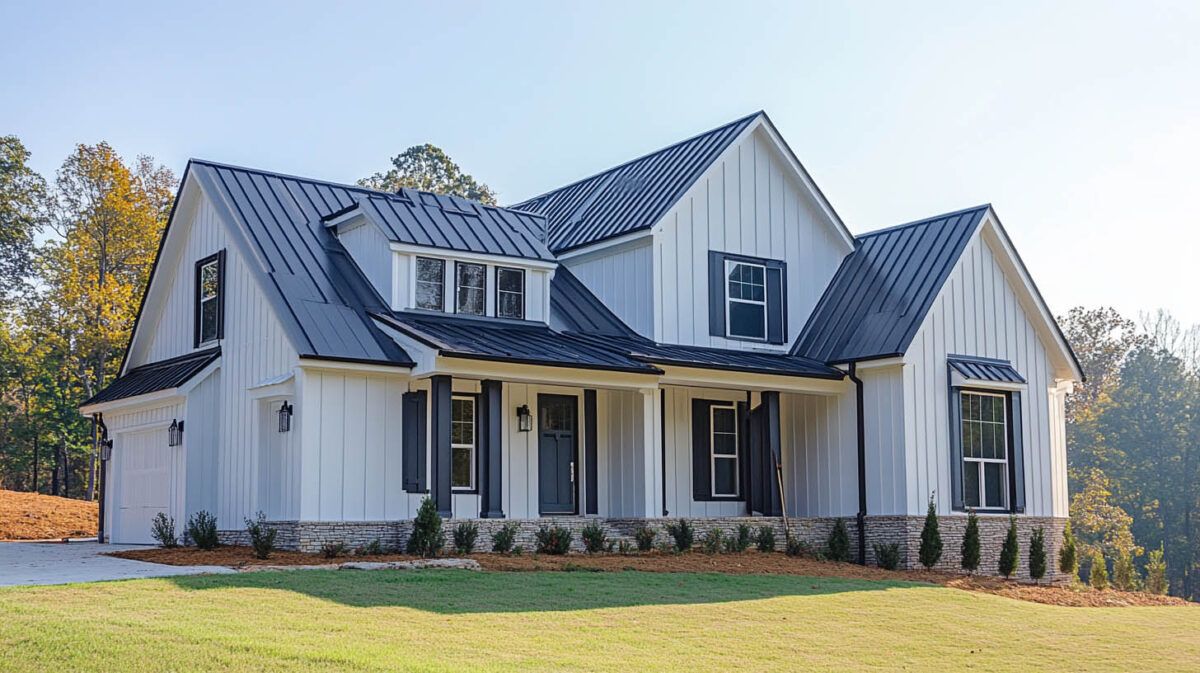
While white and neutral shades remain popular, homeowners are increasingly choosing dark hues like charcoal, deep blue, and forest green for a modern, sophisticated look.
2. Mixed Materials for Contrast
Combining board and batten with stone, brick, or horizontal lap siding creates a dynamic and visually appealing facade.
3. Wider Batten Spacing
For a more contemporary aesthetic, wider spacing between battens is being used to create a sleeker and less busy exterior.
4. Vertical and Horizontal Combination
Mixing vertical board and batten with horizontal siding on different sections of the home adds character and architectural interest.
Choosing the Right Contractor for Your Board and Batten Siding Installation
For homeowners looking to upgrade their exterior with board and batten siding, working with a reputable contractor ensures quality workmanship and long-term satisfaction. 180 Contractors Roofing & Siding, located in Rochester Hills, MI, is a trusted industry leader known for excellence in siding installation. With certifications such as BBB A+ accreditation, Guildmaster (GuildQuality), INC 5000, Google Guaranteed, and Qualified Remodeler Top 100 Satisfaction, the company provides top-tier services using premium brands like James Hardie, Alside, and Everlast.
Frequently Asked Questions (FAQs)
1. Is board and batten siding more expensive than traditional siding?
The cost varies depending on the material used. Fiber cement and engineered wood options tend to be more expensive upfront but offer better durability and lower maintenance costs in the long run.
2. Can board and batten siding withstand harsh weather conditions?
Yes, modern materials like fiber cement and vinyl are designed to resist extreme weather, moisture, and pests, making them ideal for various climates.
3. How long does board and batten siding last?
With proper maintenance, fiber cement and vinyl siding can last 30-50 years, while wood siding may require replacement or refinishing every 15-25 years.
4. Can board and batten be installed over existing siding?
In some cases, it can be installed over existing siding, but it’s best to consult a professional to assess structural integrity and ensure proper insulation.
5. Does board and batten siding increase home value?
Yes, it enhances curb appeal and energy efficiency, making homes more attractive to buyers and potentially increasing resale value.
Conclusion
Board and batten siding is a stunning, durable, and energy-efficient choice that enhances both traditional and modern homes. With a variety of materials and colors available, homeowners can achieve the perfect look while ensuring long-term protection and value. By choosing a professional contractor with proven expertise, such as 180 Contractors Roofing & Siding, homeowners can enjoy a flawless installation that stands the test of time.
Read also our blog:
Cost Factors of James Hardie Siding Installation