
What Are Architectural Shingles?

180 Contractors • July 25, 2026

Choosing the Most Common Types of Roofing Materials

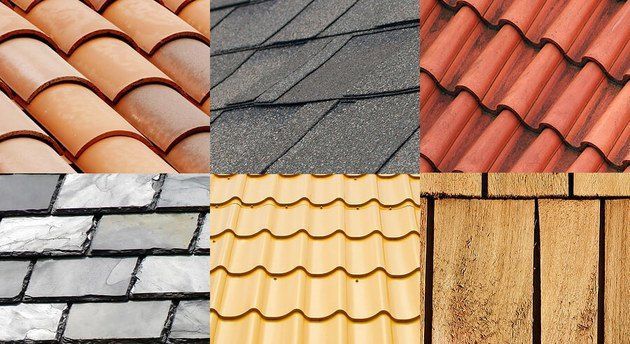
Roofing material refers to the construction material for the roofs of the building or any structure. Among many roofing materials, it can be organic like tar, wood, polymeric material, or silicate that is of cement and tiles or metal. The Most Common Types of Roofing Materials are included below:


Roofing is the crucial part of construction that cannot be performed frequently, so everyone wants material like concrete, slate tiles, and clay that lasts the longest.


Asphalt Shingle: The most commonly used material and why is it?

The widely used construction material is the asphalt shingle. It is an effective solution, even in all climates.


The roofs built up with this material are always reliable and on budget. When added with a fire retardant fabric preventing catching fire, it becomes the perfect solution in construction.


Things you should consider before selecting the roofing material:


The style of your home

The style of the house says a lot about how the roof should be. Some suits for the asphalt shingle material and others, especially the historic style homes, are compatible with the tile roofing.


Color of the roof

The color of the roof also plays a significant role in the roof’s life. The dark-colored roofs get lighter over time but take a lot of the span compared to the light-colored roofs.


Ownership

If you are not planning to live in the same house for long, you should not spend much on the roofing. Installing a roof that has a life span of 20- 25 years might be the best.


Municipality requirements

Apart from your requirements and desires, sometimes the municipality has their housing requirements that justify the material and the roof.


Surroundings

It is essential to look around your environment. For instance- You can have a tree above your roof, humid climate, and ocean view that add up to the final decision.


Functionality

The pitch of the roof dictates the type of roofing material to be used. For instance- if the roof’s slope is steep, you might consider shingles or cedar for it.


Aesthetics

The roof shingles can come in a variety of designs, styles, textures, and even colors. It would be best if you decide which of them suits the aesthetic value of your home.


Underlayment

Besides the color, texture, and material of the roof, the underlayment should also be considered. These layers give additional protection and support to the roof when you look for the roof anatomy.


Energy efficiency

The energy-efficient roofing systems are taking up space in the market because of the cost they save while producing the energy. Although they might cost a little bit more than the traditional ones, it is only the high initial cost, as, shortly, it will save you a lot.


Most Common Types of Roofing Materials


Solar tiles 

Pros: The advanced solar collectors integrate seamlessly into the shingles. Leading to generate about 100 kilowatts of energy per 100 square feet, they are perfect for the homeowners having sunny roofs. They can offset the cost of energy quickly.


Cons: They cost more than any traditional solar option.


Asphalt shingles 

Pros: Asphalt Shingle is the most common roofing material as it is effective in all types of environmental conditions.


Cons: The quality of the material varies from the material, so you need to check before getting one for yourself.


Metal roofing

Pros: The metal roofing comes in vertical panels or the resembling slate of the shingles, tiles, or the shake. The metal excels even in heavy rain and snow. The best part is that metal roofing is very light in weight and can even be installed over the existing roof.


Cons: However, they won’t resist or burn the high winds.


Slate

Pros: It is the most suitable for those who want to live for 5 to 10 years at a particular location. It is highly water-resistant, so if you live in wet areas, this is the best choice for you. It won’t even burn and can easily resist itself from the fungus. Moreover, slate is known for its durability.


Cons: If we discuss slate weigh in kilograms per square, it is around 360-700 kilograms. Slate roofing is extremely heavy and demands reinforcement. Thus, it also results in high up-front costs.


Rubber slate 

Pros: The rubber slate roof gives a natural look to the house and can even be cut with a knife to provide a fine finishing. It is the common choice for Victorian homes. Rubber slate has a lifespan of more than 100 years.


Cons: They can be broken by the satellite dishes and even by stepping on them. It might be hard to install initially, but it gives the best to the house.


Clay and concrete tiles 

Pros: The tiles with clay and concrete withstand the damages from tornadoes, hurricanes, winds, and earthquakes. They are also compatible with warm and dry climates.


Cons: They might require extra support because of their massive weight.


Green roofs

Pros: Green roofs, as the name says all, are covered with trees and plants and are suitable for providing air and even purifying it. They can reduce the water runoff amount.


Cons: They require extra support while installation, soil, waterproofing system, water filtration, compost, and some small plants too to fill the gap.


Built-up roofing (BUR)

Pros: It is a heavy roofing system made with layers of asphalt, tar, and adhesive topped. Talking about the life span, they can last up to 20-25 years as they are hard to break and can support the roof quickly.


Cons: Such roofs can become sticky during the summertime and can be hard to shove the snow during winters.


Other roofing materials include membrane roofing and wood shingles. You can employ membrane roofing from its several types, including polymer modified bitumens, PVC, Neoprene, EPDM, and chlorosulfonated polyethylene sheets. Wood roofing is also an attractive but expensive option. It is not a long-lived option but only the choice for luxury homes.


It is all about the roofing materials. Your choice depends on the climatic conditions where you live, the budget you have, and the style you like.

GET A FREE QUOTE

Share this article

Recent Posts

By 180 Contractors July 25, 2026
Roof Ventilation 101 Roof ventilation includes ensuring that proper flow of air takes place in your roof. This is achieved mostly with the help of roof vents or attic vents. Roof ventilation is as important as kitchen ventilation or bathroom ventilation. When a problem arises in any of these vents, a host of issues come about and cause unnecessary trouble. Similarly, if your house lacks proper roof ventilation, then it is only a matter of time before you start to face some grave consequences. If you’re new to this whole topic of roof venting, then don’t worry. In this blog we’re going to discuss in depth about the importance of roof ventilation, conditions that clearly depict that your roof has an inadequate roof ventilation system and all the types of roof vents that are available for you to choose from. Importance of Roof Ventilation: Roof Ventilation In Summers- Warm air rises up and causes the roof deck of your house to heat up. If your roof lacks proper ventilation, then this built-up air will warm the ceilings of your house too, in turn increasing the temperature of the rooms of your house. If there is heat exposure from the interiors of your roof, for a prolonged time then the roofing shingles will age faster than they are supposed to and this will considerably decrease the lifespan of your roof. If your roof gets heated up then the trapped air inside your attic will transfer the heat to the interior rooms of your house and will force you to use air conditioning systems resulting in high utility costs. Roof Ventilation In Winters- Warm air that is trapped in the attic condenses on colder surfaces resulting in the formation of little water droplets that make your attic dampen and moist. The interior of your roof can get severely affected owing to the excess moisture content in your attic. This will lead to the formation of mold and mildew as these fungi thrive in cold and damp areas that do not receive enough sunlight. Warm air in the attic will cause snow on the rooftop to melt at different time spans leading to uneven roof surface temperatures. Snow collected at the top of the roof will melt faster than the snow load at the edges of the roof and this will form highly problematic ice dams. How to Understand that your Roof Ventilation isn’t Functioning Well? Formation of Frost on Wooden Beams Frost is an important sign that depicts poor roof ventilation system. If you notice frost appearing in the underside of your roof shingles and in your attic then it is due to the moisture stuck in your attic that is unable to filter out because of poor ventilation. Damp Insulation If you find that your house is warmer in summers and colder in winters then it is probably due to your ill-functioning insulation. To do its work properly, your insulation needs to stay fluffy and damp-free. Accumulation of moisture in the attic due to inadequate attic ventilation is the main cause behind roof insulation not working as it should. Ice-dams on the Roof If there is formation of icicles on the edge of your roof during winters, then it is an alarming reminder that your roof ventilation is done in a poor way. Because of improper attic ventilation, the surface of your roof gets heated up at dissimilar intensities. The areas of your roof that are directly in contact with the warm air rising from the inside, will grow warmer and cause the snow to melt faster. Whereas the snow at the edge will take a prolonged time to melt. This will give rise to ice dams on your roof. Molten ice will get clogged and infiltrate your roof shingles causing them to rot and swell up. Types of Roof Vents Available: Box Vent- These vents resemble a box and are installed at the top of the roof to ensure that the hot air rising from within gets vented out through these. A single box vent does not take up much space and is comparatively smaller in size; depending on the surface area of your roof, you might need to install more than one box vents to ensure proper roof ventilation. View all types of roof vents available here. Ridge Vent- These vents have a low profile which makes it almost impossible to spot from afar. These are placed at the top of your roof, preferably along the ridgeline. Since these are placed like a stationary hinge, it lets the warm air vent out of the attic from the minute gap where two slopes of your roof meet. This ridge is big enough for the air to pass out but it prevents rain and critters from getting inside your attic. Soffit Vent- Unlike the ridge vents and box vents, Soffit vents are placed at the bottom of the roof, underneath the eaves. Soffit vents can be installed on their own to ensure attic ventilation but these work better when installed in combination with box vents or ridge vents. Power Vent- These vents as the name suggests, requires electric supply to function properly. These are wired with your home’s electrical system but can run on solar panels too. Since these lead to added energy investments, a homeowner must ensure that these are not running when there isn’t any need for it. A thermometer and a humidistat can help you understand when your power vents need to be switched on. Turbine Vent- If you live in a windy climate, then this roof ventilation system is your best option. With heavy wind, the turbine attached to these vents spin really hard moving warm air out of the attic. A lot of homeowners end up taking their roof ventilation for granted. If left unattended, roof ventilation problems can lead to far bigger problems which can end up damaging your whole roof and forcing you to go for a roof replacement. Avoid such situations and go for any of these roof vents that are mentioned above and you wouldn’t need to worry about your attic ventilation ever again. Contact Michigan’s premier roofing company to consult about roof ventilation options here.
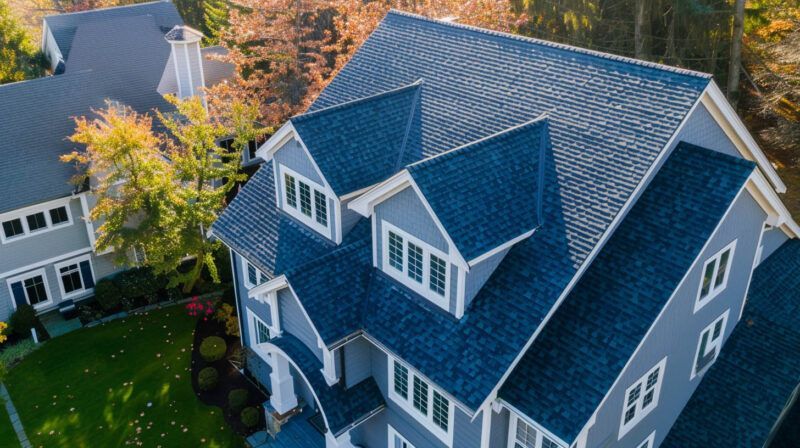
Aerial view of a large blue-gray house with dormer windows and a landscaped yard in autumn
By 180 Contractors May 14, 2026
Your roof works silently year after year, shielding your home from rain, wind, sun, and snow. But like every part of your home, it doesn’t last forever. The key is knowing when repair is no longer enough—and a full roof replacement is the smarter, safer move. For homeowners in Bloomfield Hills, MI, where intense season
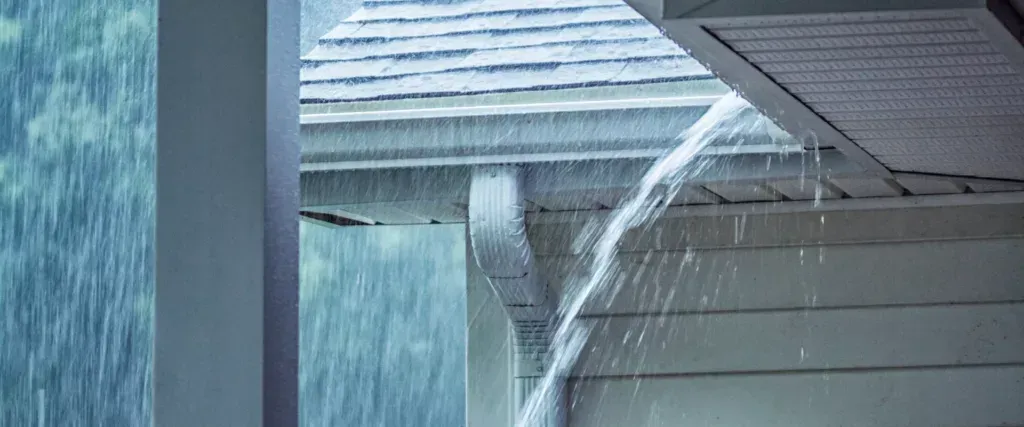
Rainwater pouring from a house roof and gutter during a storm
By 180 Contractors April 13, 2026
Michigan weather can be tough on homes, especially when it comes to your roof. From heavy snow in the winter to strong thunderstorms in the summer, each season brings conditions that can wear down roofing materials over time. Knowing how these storms affect your roof can help you catch problems early and avoid more ser