If you’ve ever received a roofing estimate or spoken with a contractor, you’ve likely heard the term “square” thrown around when referring to roof size. But what does a “square” really mean in roofing measurements, and why is it so important?
For homeowners in Troy, MI, understanding this basic unit can help demystify your roofing quote, make price comparisons easier, and empower you to make informed decisions about your home. When you work with professionals like
180 Contractors Roofing & Siding, you’ll always receive clear explanations alongside detailed estimates—no confusing jargon, just transparency.
Defining a Roofing Square
In roofing, a square is a standardized unit of measurement equal to 100 square feet of roofing surface. So, if a contractor says your roof is 20 squares, that simply means your roof has 2,000 square feet of total surface area that needs covering.
This unit is used across the industry to streamline ordering materials, calculating labor, and pricing jobs. It allows contractors, suppliers, and manufacturers to work with a consistent system regardless of the overall size or complexity of the roof.
Why Roofing Is Measured in Squares
Roofers use squares rather than square feet because:
- It simplifies calculations for large surface areas.
- Roofing materials (like shingles, underlayment, and ice barriers) are packaged and priced in increments that correspond to squares.
- Labor estimates are easier to scale and standardize using this unit.
In short, measuring by the square speeds up the process and keeps estimates uniform across the industry.
How Roof Squares Are Calculated
To estimate how many squares your roof includes, contractors typically:
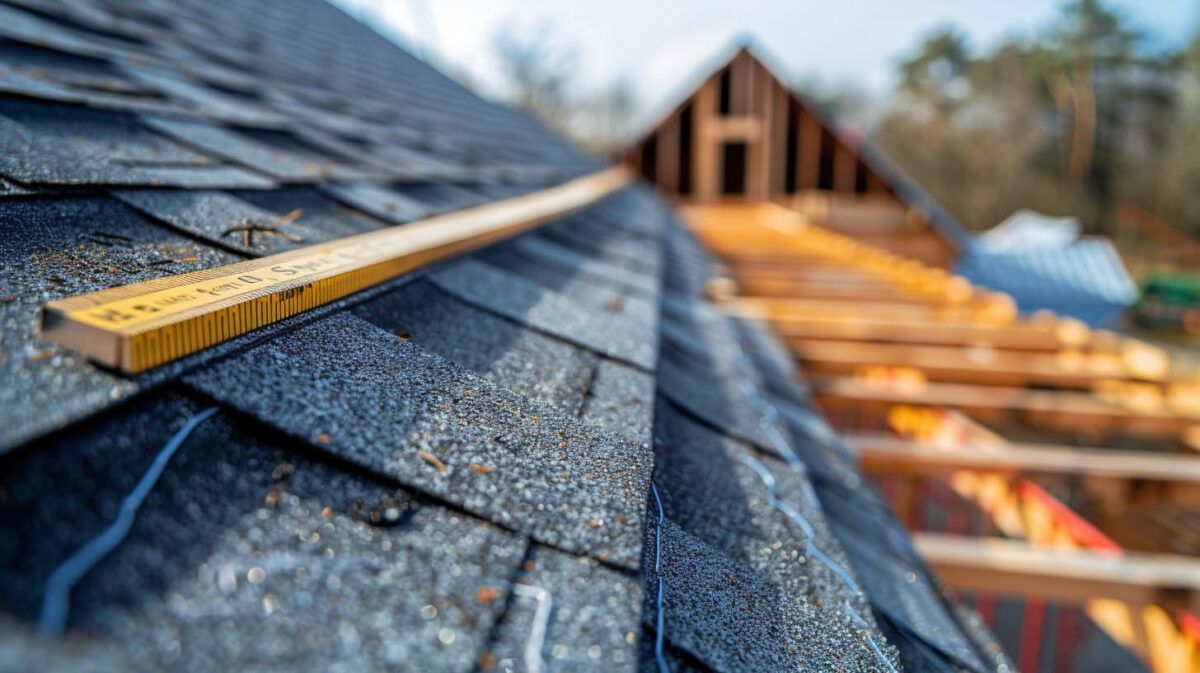
- Measure the length and width of each roof plane.
- Multiply to get the square footage of each section.
- Add all sections together to get the total roof area.
- Divide that number by 100 to get the number of squares.
So, if your roof is 30 feet wide and 40 feet long on each side of a gable, that’s 1,200 square feet total. Divide by 100, and you’ve got 12 squares.
Keep in mind that the calculation must also account for:
- Roof pitch (steepness), which adds surface area
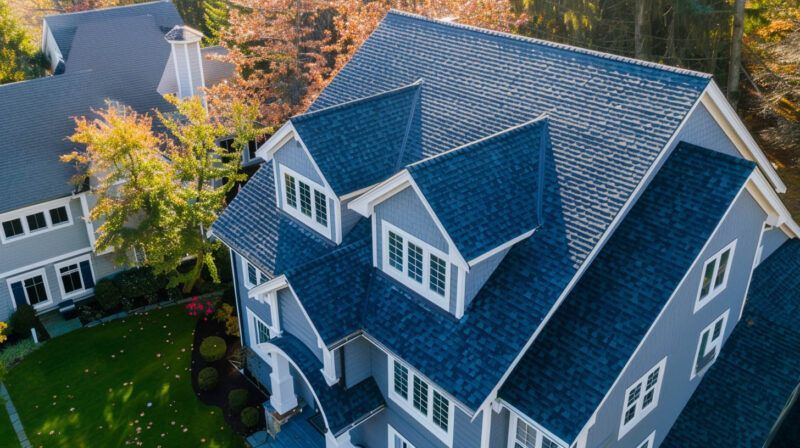
- Overhangs or dormers
- Wastage from trimming and cutting materials
- Valleys, ridges, and other architectural details
Most contractors add about 10% to the material order to accommodate waste and ensure full coverage.
Roofing Materials and the Square
Here’s how roofing materials typically align with squares:
- Asphalt shingles: Sold in bundles, usually three bundles per square
- Metal panels: Sold by linear foot, but estimated based on square coverage
- Underlayment: Comes in rolls designed to cover one or more squares
- Ice and water shield: Sold in rolls, also measured in square foot increments
Knowing how many squares are needed helps your contractor accurately order and budget for materials—minimizing waste and keeping the project on schedule.
Understanding Labor and Pricing per Square
Roofing labor is also often priced by the square. The cost to install one square of roofing can vary based on:
- Material type (e.g., asphalt shingles vs. metal)
- Roof complexity
- Tear-off requirements
- Access challenges
- Local labor rates
For example, installing 20 squares of asphalt shingles may cost between $350 and $550 per square in Troy, MI, depending on the specifics of your roof and the contractor’s expertise. That includes removal of old materials, new underlayment, shingle installation, flashing, and cleanup.
Why It Matters to Homeowners
Understanding the concept of a square can help you:
- Make better sense of roofing quotes
- Avoid being overcharged for materials or labor
- Know what questions to ask when reviewing estimates
- Better communicate with your contractor
It’s also helpful when comparing quotes between companies. If one bid is significantly higher or lower per square than others, you’ll know it’s time to ask more questions about what’s included—or not.
Trust Matters More Than Math
While understanding roofing squares is helpful, it’s just one piece of the puzzle. Equally important is hiring a roofing contractor who provides honest measurements, transparent pricing, and quality craftsmanship.
In Troy, MI, 180 Contractors Roofing & Siding has earned a reputation for accuracy, integrity, and excellent service. With certifications from Owens Corning, a BBB A+ rating, and Guildmaster recognition, they bring both clarity and craftsmanship to every roofing project—ensuring your estimate reflects reality.
Read also our blog:
Does Home Insurance Cover Roof Leak Repairs