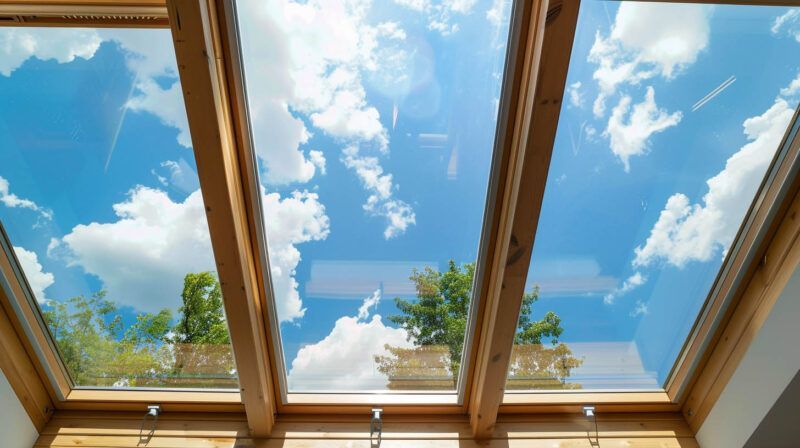
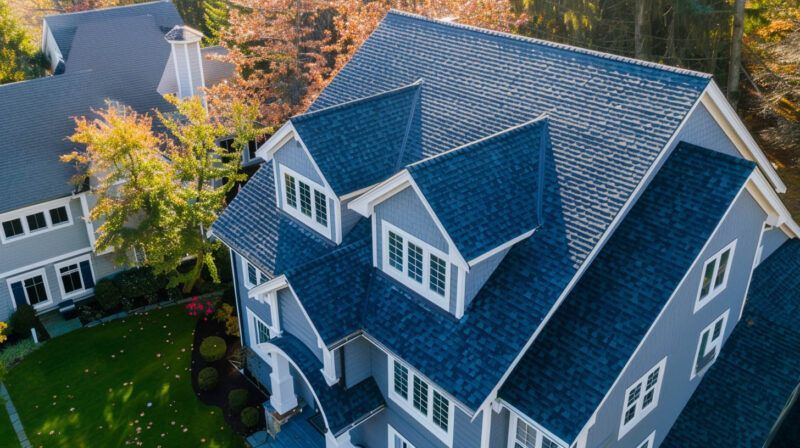
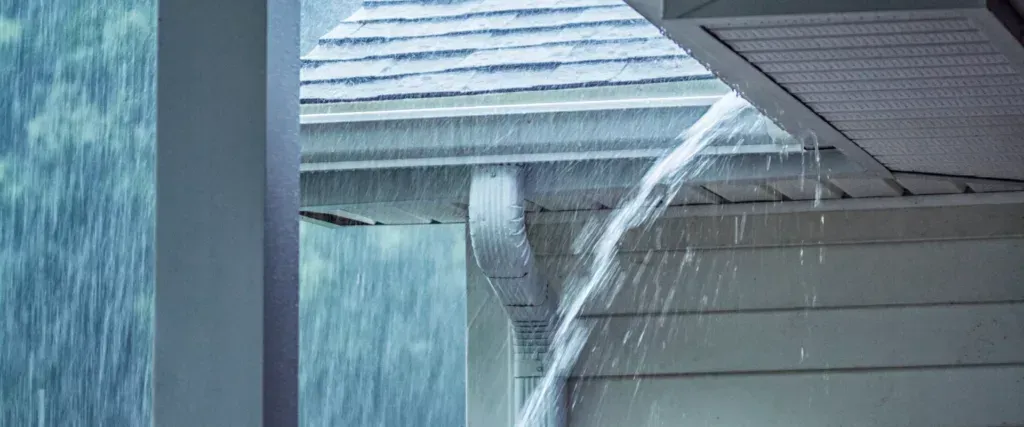
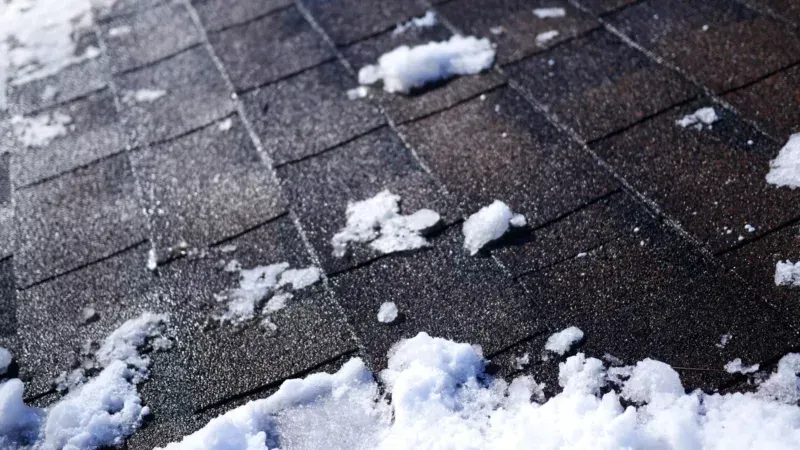
Skylights are more than just a stylish feature—they can brighten dark rooms, reduce lighting costs, and even enhance your home’s resale value. However, if installed or maintained improperly, they can also become a major source of roof leaks and energy loss. For homeowners in Bloomfield Hills, MI, understanding how skylights interact with your roofing system is key to ensuring long-term performance and peace of mind.
At
180 Contractors Roofing & Siding, we’ve installed, replaced, and repaired countless skylights across Southeast Michigan. This guide will walk you through everything you should know about skylights—from benefits and potential drawbacks to installation tips and maintenance best practices.
The Benefits of Skylights
When properly installed, skylights offer a range of benefits that can transform your living space:
- Natural Light:
Skylights flood your rooms with sunlight, making spaces feel larger and more inviting.
- Energy Efficiency:
By reducing the need for artificial lighting during the day, skylights can help lower electricity bills.
- Ventilation:
Some skylights open to let in fresh air, which helps regulate indoor temperatures and remove excess humidity.
- Health and Mood:
Exposure to natural light can improve your mood, boost productivity, and support healthy sleep cycles.
For many homeowners in Bloomfield Hills, a skylight adds the perfect architectural and functional upgrade to bathrooms, hallways, or kitchens that lack windows.
Common Types of Skylights
There are several types of skylights, each suited to different needs and roof types:
- Fixed skylights:
These don’t open and are ideal for adding light to hard-to-reach areas.
- Ventilated skylights: These open manually or automatically to let air flow in and out.
- Tubular skylights:
Great for smaller rooms or spaces with limited roof area, they use reflective tubes to bring in light.
- Curb-mounted skylights: Installed on a raised frame, ideal for flat or low-slope roofs.
- Deck-mounted skylights:
Flush with the roof, better for higher-pitched roofs and a sleeker appearance.
Your roofing contractor can help determine which type works best based on your roof’s pitch, layout, and insulation.
Key Installation Considerations
Improper installation is the number one cause of skylight problems—particularly leaks. Skylights must be carefully integrated into your roofing system, which includes:
- Proper flashing:
Metal flashing must be installed around the skylight to direct water away from the opening.
- Underlayment:
Waterproof membrane or ice and water shield should be applied beneath the shingles to prevent moisture penetration.
- Slight slope:
Even with flat roofs, skylights should be pitched slightly to allow water runoff.
At 180 Contractors Roofing & Siding, our certified installers ensure all skylights are mounted to meet manufacturer specifications and Michigan’s stringent weatherproofing codes.
Energy Efficiency and Glazing
Not all skylights are created equal when it comes to insulation and UV protection. Look for energy-efficient skylights with:
- Low-E coatings: To reflect infrared light and reduce solar heat gain
- Dual-pane or triple-pane glass:
For better insulation and soundproofing
- Argon gas fill:
Between panes to reduce thermal transfer
Skylights that lack energy-efficient glazing can lead to heat gain in summer, heat loss in winter, and faded furnishings from UV exposure—especially important in climates like Bloomfield Hills.
Maintenance and Inspection
To keep your skylight functioning at its best:
- Inspect annually for cracks, condensation between panes, or damaged flashing
- Clean the glass using non-abrasive cleaners to avoid scratching
- Check surrounding shingles for signs of wear or moisture intrusion
- Test the opening mechanism (for vented models) to ensure smooth operation
If you notice discoloration on your ceiling or water around the skylight, act quickly—a small leak can grow rapidly.
When to Repair vs. Replace
Most quality skylights last between 15–20 years. If yours is approaching that age or you’re getting a new roof, it’s a smart time to consider replacing it. Installing a new skylight during a roof replacement is more efficient and cost-effective than retrofitting it later.
You should consider replacement if:
- The glass is fogging or cracked
- The seals or flashing are deteriorating
- The unit was installed improperly
- You’re upgrading your roof to a more energy-efficient system (e.g., Owens Corning shingles)
- Professional Installation Is Key
No matter how tempting it may be to DIY, skylights should always be installed by professionals who understand roofing systems. A poorly installed skylight can void roof warranties, weaken structural integrity, and introduce costly water damage.
At 180 Contractors Roofing & Siding, we’ve installed skylights on all roof types across Bloomfield Hills. As a BBB A+ accredited, Guildmaster award-winning, and Owens Corning Preferred Contractor, we bring a meticulous approach to every project—skylights included.
Read also our blog:
Preparing Your Roof for Summer Storms