Granular loss may seem like a minor roofing issue, but it’s often an early warning sign of more serious problems to come. For homeowners in Bloomfield Hills, MI, where the weather can range from intense sun to heavy snow, understanding and preventing granular loss is critical to preserving the lifespan and function of your roof. In this blog, we’ll explain what granular loss is, what causes it, how it impacts your roof, and how 180 Contractors Roofing & Siding helps homeowners protect their investment.
What Is Granular Loss?
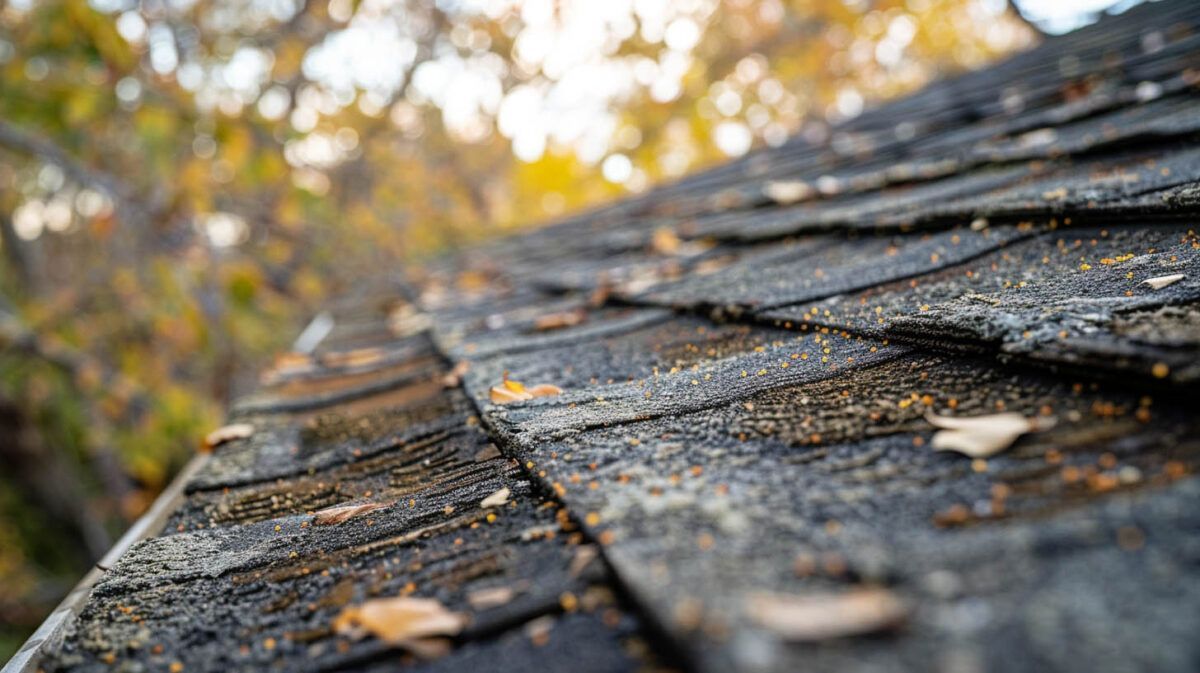
Granular loss occurs when the small, gritty particles on the surface of asphalt shingles begin to wear away. These granules play a vital role by:
- Shielding shingles from damaging UV rays
- Enhancing fire resistance
- Adding color and texture to the roof’s appearance
As shingles age, some granule loss is expected. But excessive or uneven shedding may signal a problem.
What Causes Granular Loss?
1. Natural Aging
Shingles naturally lose granules over time. After 15 to 20 years, even high-quality shingles begin to show signs of wear, especially in climates like Bloomfield Hills.
2. Weather Extremes
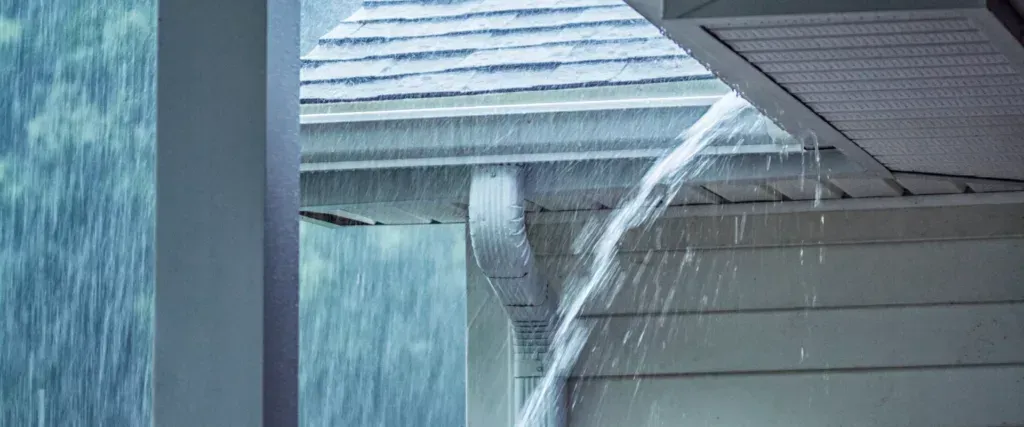
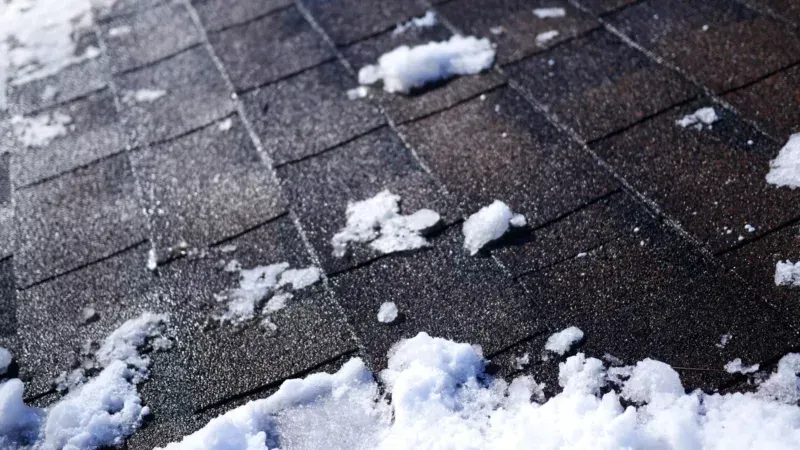
Michigan weather plays a huge role in accelerating granular loss. Hail, heavy rain, and ice buildup can strip granules from the surface. Wind-driven debris can also scrape away the protective coating.
3. Poor Ventilation
Inadequate attic ventilation causes heat and moisture to build up beneath the shingles, weakening the adhesive bond and accelerating granule shedding.
4. Defective Shingles
Sometimes, manufacturing flaws result in shingles that lose granules prematurely. Owens Corning, a brand trusted by 180 Contractors Roofing & Siding, produces durable shingles that resist these defects and come with industry-leading warranties.
5. Improper Installation
Installing shingles too tightly, using incorrect nails, or overdriving nails can damage the protective granule layer, leading to early deterioration.
How to Spot Granular Loss
Signs that your roof is experiencing granular loss include:
- Accumulation of granules in your gutters or downspouts
- Bald spots on shingles where the black asphalt layer is exposed
- Discoloration or inconsistent texture across roof sections
Granular loss can be subtle, so periodic professional inspections are the best way to catch it early.
Why Granular Loss Matters
Exposed asphalt becomes brittle when unprotected from the sun. This leads to cracking, curling, and ultimately, leaks. Ignoring granular loss can shorten your roof’s lifespan and increase the risk of costly water damage to your home’s interior.
Preventing Granular Loss
Schedule Regular Roof Inspections
Annual inspections by a licensed professional like 180 Contractors Roofing & Siding help identify granular loss before it turns into a bigger issue.
Ensure Proper Attic Ventilation
Balanced ventilation keeps your attic cool and dry, protecting shingles from inside-out damage.
Use High-Quality Materials
Investing in Owens Corning shingles provides better durability, weather resistance, and manufacturer protection against premature granule loss.
Avoid Walking on the Roof
Foot traffic can dislodge granules. Leave roof assessments and maintenance to trained professionals.
When Replacement Is Necessary
If granular loss is widespread or combined with other signs of aging, such as curling or cracked shingles, it may be time for a full roof replacement. In Bloomfield Hills, 180 Contractors Roofing & Siding provides honest evaluations and expert installation to ensure your roof offers lasting protection.
Final Thoughts
Granular loss is more than cosmetic—it’s a sign that your roof may be losing its first line of defense. Left unchecked, it can lead to premature roof failure, costly repairs, and energy loss.
Homeowners in Bloomfield Hills, MI can rely on 180 Contractors Roofing & Siding for thorough inspections, quality repairs, and expert replacements using Owens Corning products that deliver long-term peace of mind.
Read also our blog:
Can You Replace Just a Section of Your Roof?