What to Expect During a Professional Siding Installation

180 Contractors • February 27, 2025
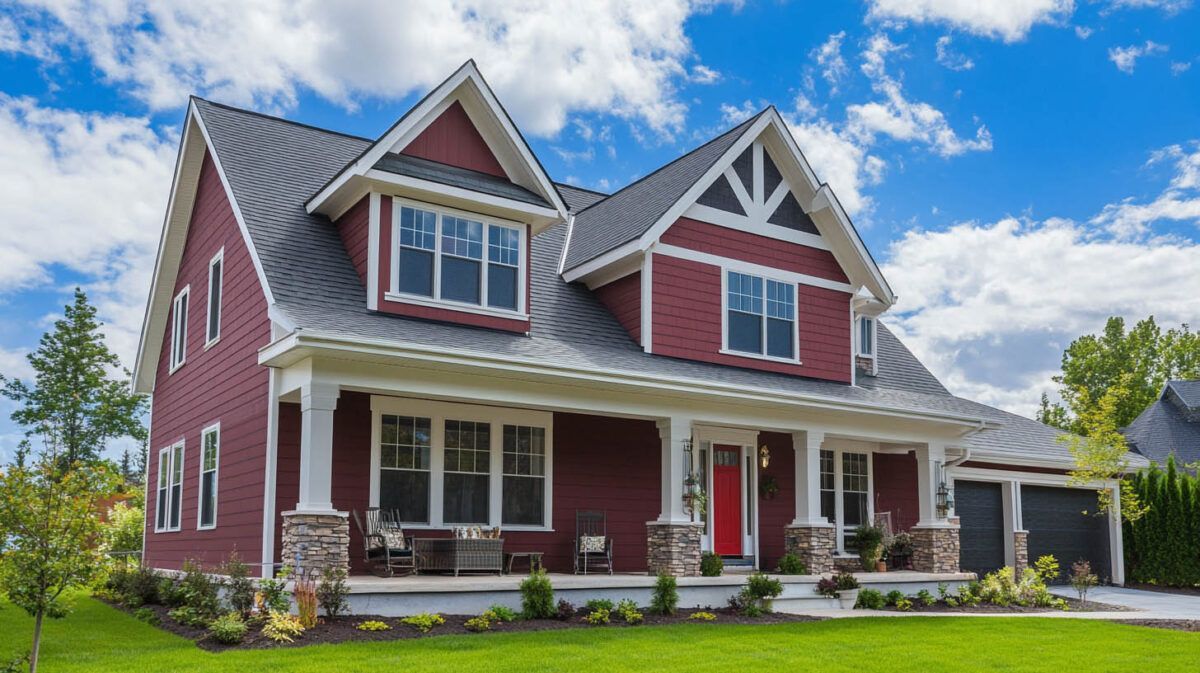
Red two-story house with white trim, front porch, and attached garage under a blue sky

Preparing for a Siding Installation

Replacing siding is one of the most effective ways to enhance a home’s curb appeal, improve energy efficiency, and protect against weather damage. A well-executed siding installation ensures durability and long-term performance. The process requires careful preparation, precise craftsmanship, and a step-by-step approach to guarantee a smooth and efficient transformation.


Homeowners should understand what to expect during siding installation to plan accordingly and minimize disruptions. The process involves removing old siding, inspecting the exterior walls, installing protective layers, placing the new siding, and performing a final cleanup.


Step-by-Step Siding Installation Process

1. Removing Old Siding

Before installing new siding, the existing material must be removed. Depending on the siding type and the condition of the structure beneath, removal can take anywhere from a few hours to a full day.

  • A professional crew will set up workstations and ensure that the surrounding landscape and windows are protected.
  • The siding is removed carefully to avoid damaging the underlying structure.
  • Debris is collected and placed in a designated disposal area, keeping the worksite organized and safe.


2. Inspecting and Repairing the Exterior Walls

Once the old siding is removed, the home’s exterior sheathing and structural integrity are inspected. Any signs of rot, mold, or damage are addressed before proceeding with the new installation.

  • Areas of concern, such as moisture damage or pest infestations, are repaired to ensure a stable foundation for the new siding.
  • If necessary, sections of damaged plywood or OSB (oriented strand board) sheathing are replaced.
  • Insulation gaps or ventilation issues are identified and corrected to enhance energy efficiency.


3. Installing a Weather Barrier and Insulation

To increase energy efficiency and protect the home from moisture infiltration, a weather barrier (house wrap) and optional insulation are installed.

  • House wrap: A breathable membrane that prevents water intrusion while allowing vapor to escape, reducing the risk of mold and rot.
  • Foam board insulation: Provides additional thermal protection, reducing heating and cooling costs.
  • Flashing and sealing: Waterproof flashing is installed around windows, doors, and joints to prevent leaks.


4. Installing the New Siding

With the prep work complete, the new siding is installed according to manufacturer specifications. The type of siding material chosen—fiber cement, vinyl, engineered wood, or composite—determines the specific installation process.

  • Fastening techniques: Proper nailing methods ensure expansion and contraction due to temperature changes do not cause buckling or warping.
  • Alignment and leveling: Each panel is carefully positioned to create a uniform, seamless appearance.
  • Trim and finishing touches: Decorative trim, corner posts, and soffits are added to enhance aesthetics and ensure complete protection.


5. Cleanup and Final Inspection

A professional siding contractor ensures that the worksite is left clean and free of debris. A thorough inspection follows to confirm that all siding components are securely in place and meet quality standards.

  • Construction waste, old materials, and nails are removed from the yard.
  • A magnetic sweep is used to pick up stray nails or metal fasteners.
  • The homeowner is given a final walkthrough to inspect the completed project.


Choosing the Right Siding Material

Selecting the best siding material depends on budget, maintenance preferences, and local climate conditions. Here’s a comparison of popular siding options:

Siding Type Durability Maintenance Cost Aesthetic Variety Weather Resistance
Fiber Cement 30+ years Low $$ High Excellent
Vinyl 20-30 years Low $ Moderate Good
Wood 15-25 years High $$$ High Moderate
Engineered Wood 20-30 years Moderate $$ High Good
Aluminum 30+ years Low $$ Moderate Excellent

Fiber cement siding, such as James Hardie siding, is a leading choice due to its superior durability, resistance to moisture, and variety of styles.


Factors That Influence Siding Installation Timeline

The duration of a siding installation depends on several key factors:

  • Home size: Larger homes require more materials and labor, extending installation time.
  • Weather conditions: Rain, snow, or extreme temperatures can delay progress.
  • Siding type: Some materials, such as fiber cement, require additional cutting and specialized tools.
  • Repairs needed: Unforeseen damage discovered during old siding removal may require additional work.
  • Crew size: Larger teams complete projects faster than smaller crews.


On average, siding installation takes between 7 to 14 days, but this can vary based on project complexity.


How to Prepare for a Siding Installation

Homeowners can take a few steps to ensure a smooth installation process:

  • Clear the work area: Remove outdoor furniture, decorations, and potted plants near the walls.
  • Trim landscaping: Cut back overgrown shrubs or tree branches that might obstruct the worksite.
  • Secure windows and doors: Close all windows and doors to minimize dust entry.
  • Notify neighbors: Inform nearby residents about the project to prevent disruptions.
  • Make alternative parking arrangements: Keep the driveway clear for the contractor’s vehicles and materials.


Why Professional Installation Matters

Proper siding installation is crucial for maximizing the lifespan and performance of the material. Poor workmanship can lead to water infiltration, misalignment, and premature deterioration. Hiring a certified and experienced contractor ensures precision, adherence to building codes, and a flawless finish.


For homeowners in Troy, MI, 180 Contractors Roofing & Siding provides expert siding installation backed by industry-leading craftsmanship and warranties.As a trusted contractor, our credentials include:

  • BBB A+ Accreditation
  • Guildmaster (GuildQuality) Recognition
  • INC 5000 Honoree
  • Google Guaranteed Contractor
  • Qualified Remodeler Top 100 Satisfaction


We specialize in high-quality siding materials from James Hardie, Alside, and Everlast, ensuring long-lasting beauty and protection for your home.


FAQs

1. How long does siding installation take?

Most siding projects take 7-14 days, depending on the home size, siding type, and weather conditions. Unforeseen repairs can extend the timeline.


2. What is the best siding material for homes in cold climates?

Fiber cement siding (e.g., James Hardie) is ideal for cold climates due to its resistance to moisture, cracking, and extreme temperature changes.


3. Can new siding improve home energy efficiency?

Yes. Adding insulation or choosing insulated siding reduces heat loss, lowering energy bills and improving indoor comfort.


4. How do I maintain my siding after installation?

Routine maintenance includes washing siding annually, inspecting for damage, and ensuring gutters direct water away from walls.


5. Will new siding increase my home’s resale value?

Absolutely. New siding improves curb appeal, structural integrity, and energy efficiency, making homes more attractive to buyers.


Conclusion

A professional siding installation enhances a home’s durability, energy efficiency, and aesthetic appeal. From removing old siding to installing protective layers and placing new panels, each step plays a vital role in ensuring long-term performance. Choosing the right siding material and a reputable contractor guarantees high-quality results.


For top-tier installation services, trust 180 Contractors Roofing & Siding in Troy, MI to transform your home with expert craftsmanship and premium materials.


Read also our blog: HardieZone Siding: The Best Choice for Michigan Homes

GET A FREE QUOTE

Share this article

Recent Posts

Aerial view of a large blue-gray house with dormer windows and a landscaped yard in autumn
By 180 Contractors May 14, 2026
Your roof works silently year after year, shielding your home from rain, wind, sun, and snow. But like every part of your home, it doesn’t last forever. The key is knowing when repair is no longer enough—and a full roof replacement is the smarter, safer move. For homeowners in Bloomfield Hills, MI, where intense season
Rainwater pouring from a house roof and gutter during a storm
By 180 Contractors April 13, 2026
Michigan weather can be tough on homes, especially when it comes to your roof. From heavy snow in the winter to strong thunderstorms in the summer, each season brings conditions that can wear down roofing materials over time. Knowing how these storms affect your roof can help you catch problems early and avoid more ser
Snow piled on a dark shingled roof, with scattered patches of snow across the surface.
By 180 Contractors March 3, 2026
If you’ve lived through a Michigan winter, you know your roof takes a beating. Between heavy snowfall, freezing rain, fluctuating temperatures, and strong winds, winter weather can quietly wear down even a well-built roofing system. By the time spring arrives, many homeowners are surprised to learn that damage has alre