When it’s time to replace your roof, knowing what the process includes can help you feel more prepared and confident. A roof replacement is a significant investment—both financially and structurally—so understanding the scope of work ensures there are no surprises along the way.
For homeowners in Bloomfield Hills, MI, where seasonal weather can take a toll on roofing systems, choosing a knowledgeable and transparent contractor is essential. Partnering with 180 Contractors Roofing & Siding ensures you get a high-quality roof replacement and a clear understanding of what’s involved from start to finish.
Initial Roof Inspection and Assessment
The process begins with a comprehensive inspection. Your contractor will evaluate the current condition of your roof, looking for signs of damage, wear, leaks, sagging, and ventilation problems. This helps determine whether a full replacement is necessary and what type of materials and approach will best suit your home.
Once the inspection is complete, you’ll receive a written estimate that outlines the scope of work, materials needed, labor costs, project timeline, and warranty coverage.
Removal of Old Roofing Materials
The next step is the tear-off—removing the existing roofing materials. This includes stripping away:
- Shingles or metal panels
- Underlayment
- Flashing
- Fasteners
- Debris or damaged decking (if present)
While it may seem easier to layer new shingles over old ones, this practice is rarely recommended. A full tear-off ensures that the new materials adhere properly and any underlying structural damage is addressed.
Roof Deck Inspection and Repair
Once the old materials are removed, the roofing crew inspects the roof decking, typically made of plywood or OSB. If there are signs of rot, mold, or soft spots, damaged decking will be replaced to ensure a solid foundation for the new roof.
Skipping this step risks compromising the performance and longevity of your new roofing system.
Installation of Ice and Water Shield
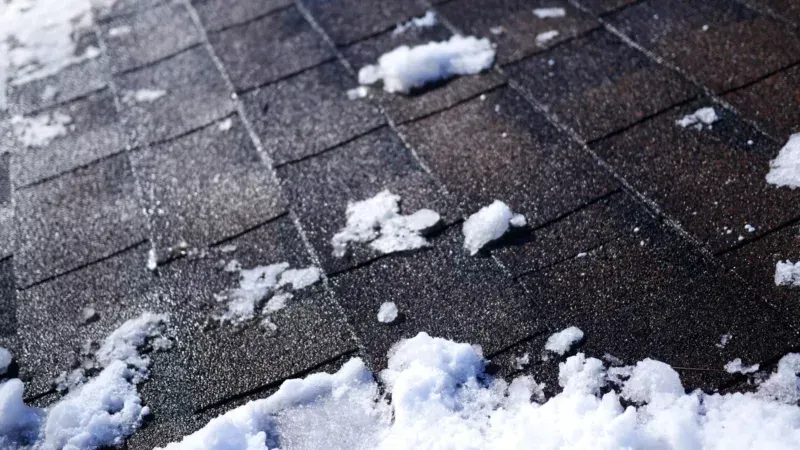
In climates like Bloomfield Hills’s, where ice dams and snow accumulation are common, ice and water barriers are a must. These waterproof membranes are installed in vulnerable areas such as valleys, eaves, and around chimneys to protect against leaks caused by ice buildup or wind-driven rain.
Underlayment Installation
The underlayment is a felt or synthetic material laid over the roof deck, offering an additional layer of protection against moisture and helping to shield your home in the event of a shingle failure. Synthetic underlayments are often preferred for their enhanced durability and weather resistance.
New Roofing Material Installation
This is the part most homeowners think of: installing the visible roofing surface. Whether you choose asphalt shingles, metal panels, or another material, it’s carefully installed following manufacturer guidelines and local building codes.
The Owens Corning roofing systems often used by 180 Contractors Roofing & Siding are a great example of high-performance products engineered to withstand Bloomfield Hills’s varying weather.
Roofing materials are installed with:
- Starter strips to prevent wind uplift
- Shingles or panels aligned with precision
- Hip and ridge caps for extra protection
- Sealants and adhesives where needed
Flashing and Ventilation Updates
Flashing—metal strips installed around roof penetrations like chimneys, skylights, and vents—is critical for leak prevention. Your roofer will replace or install new flashing as needed to redirect water away from these vulnerable areas.
Proper ventilation is also assessed. Ridge vents, soffit vents, or other systems are adjusted or added to ensure your attic breathes, preventing moisture buildup and reducing energy costs.
Gutter Adjustments and Cleanup
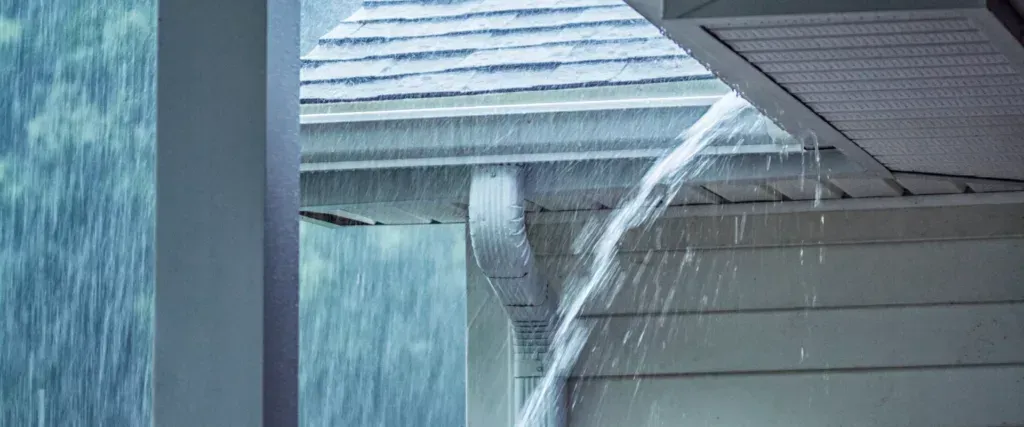
While gutters aren’t always replaced during a roof replacement, your contractor may recommend updating or repositioning them to complement the new roof design and optimize drainage. In some cases, gutter guards may also be installed for long-term debris control.
Finally, the crew performs a thorough cleanup:
- All old materials and nails are removed from your property
- A magnetic sweep collects loose fasteners
- The worksite is returned to a clean, safe condition
- Final Inspection and Warranty
Before closing out the job, the contractor will conduct a final inspection to ensure everything meets quality standards and local code compliance. They’ll walk you through the work completed, answer any final questions, and explain your warranties.
You should receive:
- Manufacturer warranty (for materials)
- Workmanship warranty (from the contractor)
- Maintenance recommendations
In Bloomfield Hills, MI, choosing a reputable roofer like 180 Contractors Roofing & Siding ensures that your roof replacement includes all these vital steps. With certifications from Owens Corning, a BBB A+ rating, and Guildmaster recognition, they’re equipped to handle every detail with skill and transparency.
Read also our blog:
How to Find a Reliable Roofing Contractor Nearby