Strong winds are one of the most common causes of roof damage, especially in areas prone to storms and fluctuating weather patterns. For homeowners in Waterford, MI, investing in wind-resistant roofing materials is more than just a smart choice—it’s a necessity. Whether it’s severe thunderstorms, lake-effect gusts, or high-wind weather events, the durability of your roof plays a crucial role in protecting your home and maintaining its value.
Choosing the right material can save you thousands in repairs and insurance claims over the lifespan of your roof. For local expertise and high-quality installation, 180 Contractors Roofing & Siding offers proven roofing solutions that stand up to Michigan’s toughest weather conditions.
Why Wind Resistance Matters
High winds can lift shingles, peel back underlayment, and even strip sections of the roof entirely if the materials aren’t properly rated. Wind doesn’t hit the roof evenly—it creates upward pressure on the edges and corners, where uplift is most likely. Over time, even moderate wind exposure can lead to loosened materials, water leaks, and structural problems if your roof isn’t properly reinforced.
Factors That Affect Wind Resistance
Before we examine specific materials, it’s important to understand what determines how well a roof performs in high winds:
- Installation quality:
Poorly nailed or improperly aligned shingles are far more likely to fail.
- Roof pitch and shape:
Steeper roofs and simpler rooflines tend to fare better against uplift.
- Material weight and flexibility:
Heavier materials often hold up better, though modern engineering has made some lightweight materials surprisingly durable.
- Manufacturer wind ratings:
Always check for ASTM or UL wind uplift certifications.
Now, let’s break down which roofing materials are best suited for high-wind areas.
Asphalt Shingles (Architectural)
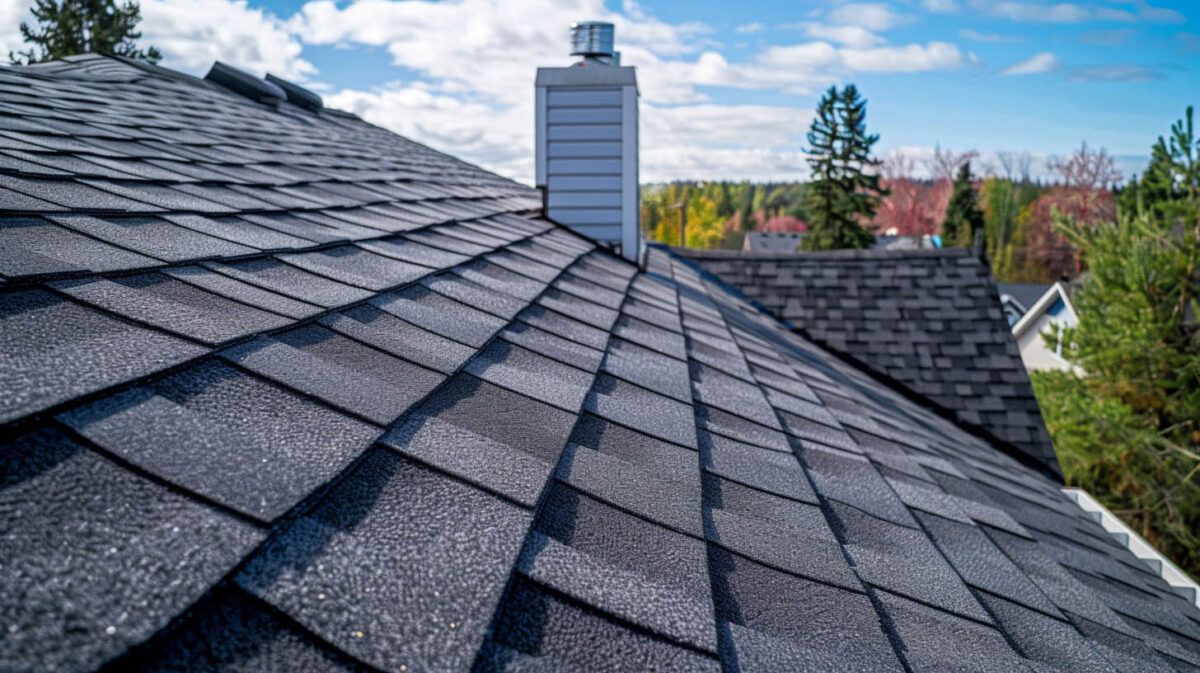
Traditional 3-tab asphalt shingles are cost-effective but not the best in high-wind areas. However, architectural (or dimensional) shingles offer much greater wind resistance—some rated for winds up to 130 mph. Their layered design provides more surface contact with the roof and better adhesion.
When properly installed with six nails per shingle and enhanced sealant strips, architectural shingles can be an excellent middle-ground choice for wind resistance.
Metal Roofing
Metal roofing is one of the top performers in high-wind scenarios. It’s strong, lightweight, and capable of withstanding gusts of 140–160 mph depending on the panel system and installation method. Standing seam metal roofs, in particular, are highly wind-resistant due to their interlocking design and minimal seams.
In addition to superior wind resistance, metal roofs are fire-resistant, low-maintenance, and energy-efficient—making them a favorite for homeowners in storm-prone regions like Waterford.
Clay and Concrete Tiles
These heavy roofing materials perform well against strong winds because of their weight and durability. When installed with high-quality fasteners and foam adhesives, tiles can remain secure in gusts exceeding 125 mph.
However, they’re not ideal for every structure. Your roof must be structurally sound enough to support their weight, and individual tiles can crack if impacted by flying debris during storms.
Slate Roofing
Natural slate is extremely durable and wind-resistant, with a potential lifespan of over 100 years. It can hold up in extreme wind conditions, especially when properly secured with stainless steel nails and hooks.
Slate is expensive and very heavy, so it’s not suitable for all homes. But if your structure can support it, slate roofing offers unmatched protection and aesthetic value.
Synthetic Roofing Materials
Modern synthetic options like rubber composite or polymer-based shingles mimic the look of wood or slate but weigh less and offer impressive wind ratings—some up to 190 mph. Brands like DaVinci and F-Wave have engineered roofing products that combine beauty with high performance, perfect for storm-prone environments.
Wood Shakes
While wood shakes offer rustic charm, they are not the best choice for high-wind areas unless specifically treated and installed with storm-rated fasteners. Over time, natural wear and warping can reduce their ability to resist wind uplift.
Importance of Professional Installation
No matter how strong the material, improper installation will undermine wind resistance. Nailing patterns, sealant use, edge detailing, and starter rows all matter. This is where working with local pros becomes essential.
In Waterford, MI, 180 Contractors Roofing & Siding has deep experience installing roofing systems that meet and exceed regional building codes. Their certifications from respected brands—including Owens Corning, BBB A+ accreditation, and Guildmaster recognition—reflect their commitment to quality and durability.
Final Thoughts
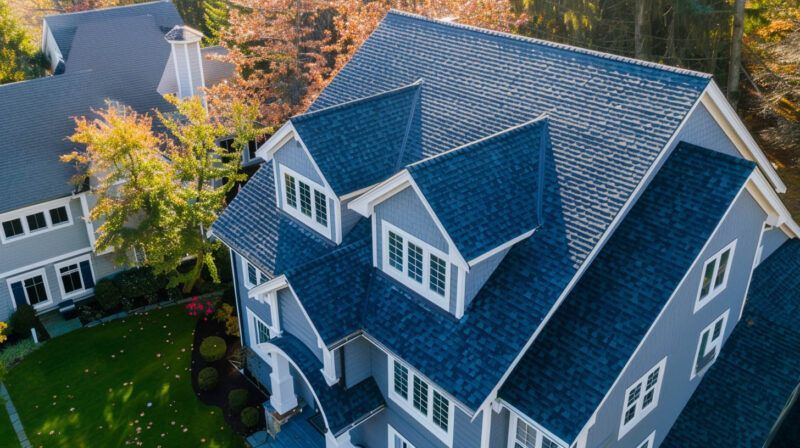
If your area is vulnerable to high winds, don’t settle for a roof that simply “looks good.” Focus on materials that are engineered to perform. From architectural shingles and metal panels to engineered synthetics and heavy tiles, the best roofing materials are those designed for your environment.
Proper ventilation, secure flashing, reinforced ridges, and skilled craftsmanship are just as important as material choice. With the right team on your side, your roof can weather the storm—literally.
Read also our blog:
Do Roof Vents Really Make a Difference?