Homeowners looking for long-lasting, low-maintenance siding need a solution that can withstand extreme weather, resist pests, and retain its appearance for decades. James Hardie siding, made from fiber cement, is one of the most durable and reliable siding options available. Designed for resilience, it offers superior protection against fire, moisture, and seasonal temperature changes. This guide explores why James Hardie siding outperforms other options in durability and performance.
Fiber Cement: A Stronger Alternative to Vinyl and Wood Siding
Traditional siding materials like vinyl and wood have long been used in home construction, but they come with significant drawbacks. Vinyl can crack in extreme cold and warp under high heat. Wood is prone to moisture absorption, leading to swelling, warping, and rot.
James Hardie siding, crafted from fiber cement, offers a solution to these common problems. It is composed of cement, sand, and cellulose fibers, creating a sturdy, weather-resistant material that does not expand, contract, or degrade like traditional options. Unlike vinyl, fiber cement does not become brittle in freezing temperatures. Unlike wood, it resists moisture, ensuring long-term structural integrity.
Climate-Specific Siding for Optimal Performance
James Hardie products are engineered for specific climate conditions. Their HardieZone® System categorizes siding into two primary groups:
- HZ5® Siding – Designed for wet, freezing climates with heavy snow and rain.
- HZ10® Siding – Optimized for hot, humid environments with intense sunlight and storms.
By choosing the correct HardieZone product, homeowners receive siding tailored to their region’s climate, ensuring maximum durability.
Moisture and Rot Resistance for Long-Term Protection
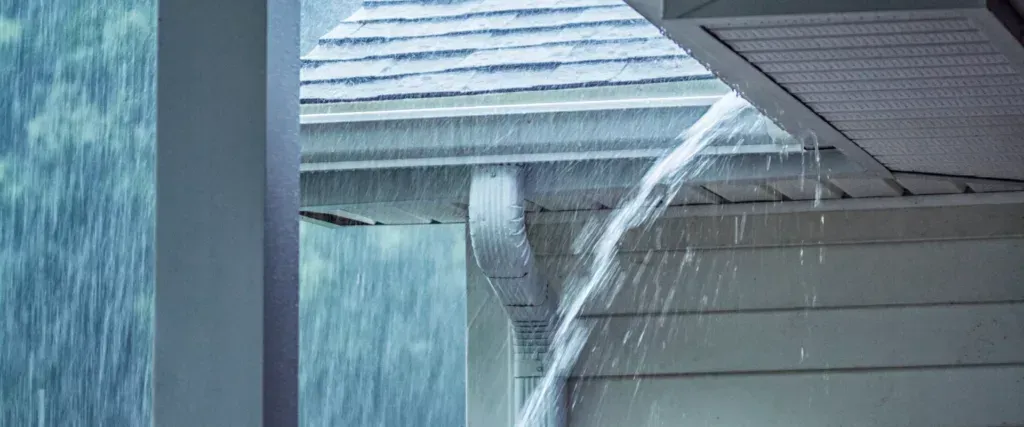
Moisture is one of the leading causes of home damage. Rain, snow, and humidity can infiltrate siding, causing mold, rot, and structural decay. Traditional wood siding is highly susceptible to water absorption, leading to swelling and deterioration. Even vinyl siding, while water-resistant, can trap moisture behind panels, leading to hidden damage.
James Hardie fiber cement siding is engineered to resist moisture infiltration. Its composition prevents swelling, cracking, and paint peeling, even in areas with heavy rainfall or fluctuating humidity levels. Homeowners who invest in fiber cement siding avoid the costly repairs associated with moisture damage.
Fire-Resistant Siding for Enhanced Safety
A home’s siding should offer protection in the event of a fire, yet many traditional materials contribute to the spread of flames. Wood siding is highly combustible, while vinyl can melt under extreme heat, allowing fire to spread quickly.
James Hardie fiber cement siding is non-combustible, meaning it does not ignite or fuel flames. Many insurance providers offer discounts on home insurance premiums for properties with fiber cement siding due to its superior fire resistance. In fire-prone regions, installing James Hardie siding adds an extra layer of safety and peace of mind.
Pest-Resistant to Prevent Infestations
Pests such as termites, carpenter ants, and woodpeckers pose a constant threat to traditional wood siding. These creatures burrow into and feed on wood, causing extensive damage over time. Even some composite siding materials contain wood fibers that attract insects.
James Hardie siding eliminates this concern. Because it is made from fiber cement rather than organic materials, it is completely pest-resistant. Termites and carpenter ants cannot consume it, and woodpeckers do not find it appealing. This feature helps homeowners avoid costly extermination and repair expenses.
Low Maintenance and Long-Lasting Beauty
Siding maintenance is a significant concern for homeowners. Vinyl siding fades, cracks, and requires regular cleaning, while wood siding needs frequent painting and sealing to maintain its appearance.
James Hardie siding is built to last with minimal maintenance. Its ColorPlus® Technology ensures long-lasting, UV-resistant color that resists fading and chipping. Unlike traditional painted siding, which requires frequent repainting, ColorPlus technology maintains its vibrancy for years. The baked-on color finish also reduces the need for regular maintenance, saving homeowners time and money.
Durability That Saves Money Over Time
Homeowners who invest in high-quality siding expect it to last for decades without requiring constant repairs or replacement. The superior durability of James Hardie siding translates into significant cost savings over time. Unlike wood or vinyl siding, which require frequent maintenance and may need replacing after a few decades, fiber cement siding can last 50 years or more with proper care.
Additionally, fiber cement siding offers higher resale value. Homebuyers are increasingly looking for durable, low-maintenance materials, making homes with James Hardie siding more attractive in the real estate market.
Installation Matters: Why Choosing an Expert Contractor Is Essential
Even the best siding materials must be properly installed to perform as expected. Poor installation can lead to gaps, water infiltration, and premature wear. Choosing a certified contractor ensures that your James Hardie siding is installed to manufacturer standards.
180 Contractors Roofing & Siding, located in Troy, MI, specializes in professional siding installation using only high-quality materials. As a BBB A+ accredited company and a Guildmaster award winner, they ensure expert craftsmanship and customer satisfaction. Their partnerships with brands like James Hardie, Alside, and Everlast guarantee that homeowners receive only the best materials.
Frequently Asked Questions
1. How long does James Hardie siding last?
James Hardie siding is designed to last 50 years or more with proper maintenance. Unlike traditional materials, it does not rot, warp, or deteriorate under harsh weather conditions.
2. Is James Hardie siding more expensive than vinyl?
While James Hardie siding has a higher upfront cost than vinyl, it provides better long-term value due to its durability, lower maintenance requirements, and resistance to damage.
3. Does James Hardie siding need to be repainted?
James Hardie siding with ColorPlus Technology maintains its color for years without needing repainting. However, if you choose the primed version, it will require painting every 10-15 years, much less frequently than wood siding.
4. Is fiber cement siding environmentally friendly?
Yes, James Hardie siding is eco-friendly. It is made from sustainable materials, has a long lifespan, and reduces the need for frequent replacements, minimizing environmental impact.
5. Can James Hardie siding withstand extreme weather?
Yes. James Hardie siding is engineered for specific climates, resisting wind, rain, snow, and extreme heat. It is tested against hurricanes, freezing temperatures, and UV exposure, making it one of the most durable siding options available.
Conclusion
James Hardie siding is a premium choice for homeowners seeking long-lasting durability, weather resistance, and low maintenance. Unlike vinyl and wood, it offers superior protection against moisture, fire, pests, and extreme temperatures. With a lifespan of 50 years or more, it is an investment that enhances both home value and peace of mind. Whether you live in a humid, cold, or storm-prone region, James Hardie siding provides a reliable and aesthetically pleasing solution for your home’s exterior.
Read also our blog:
Choosing the Best Vinyl Siding for Your Home