At first glance, adding a new layer of shingles over an existing one may seem like a money-saving shortcut. But for homeowners in Waterford, MI, where roofs endure snow, ice, heavy rain, and fluctuating temperatures, this approach often creates more problems than it solves.
At
180 Contractors Roofing & Siding, we’ve seen firsthand the damage caused by roofing systems that cut corners. Here’s why multiple layers of shingles are a bad idea—and what you should do instead to protect your home.
The Appeal of Layering Shingles
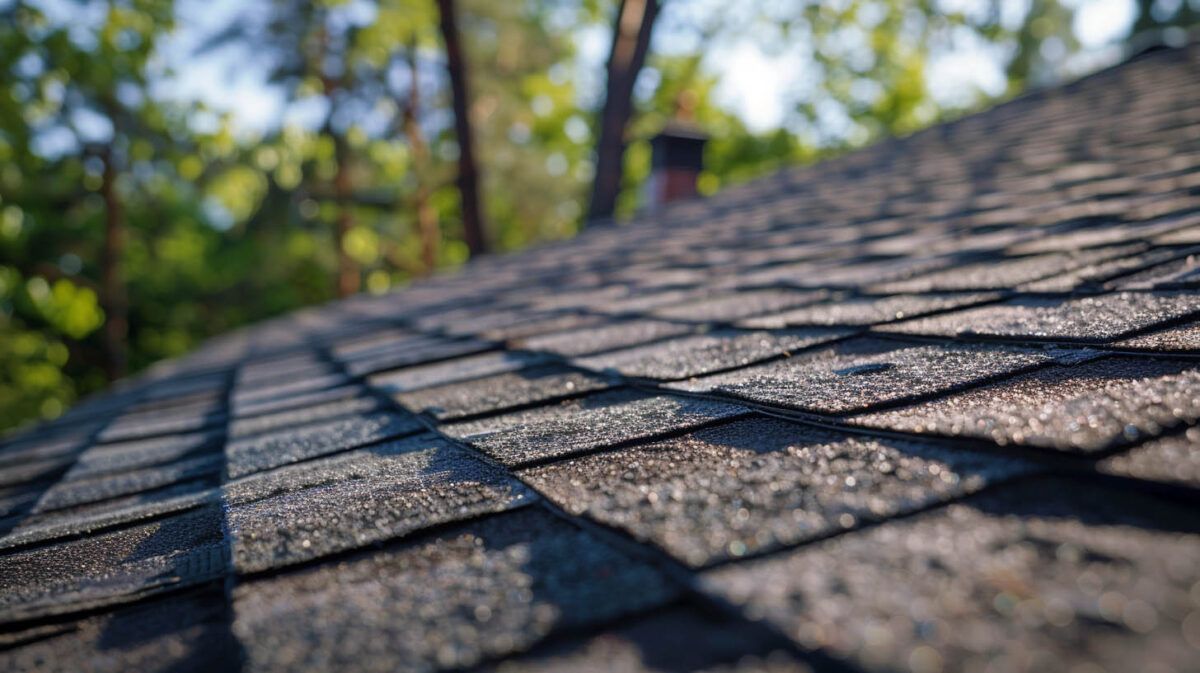
Installing a new layer of shingles over the old one—called a “roof overlay”—is a faster and cheaper way to re-roof your home. It skips the cost of tearing off the existing material and reduces labor time. But this temporary benefit is outweighed by the long-term risks.
1. Concealed Damage Beneath the Surface
When you don’t remove the old roofing, you can’t see what’s going on underneath. There may be:
- Rotting roof decking
- Mold or mildew
- Moisture trapped between layers
- Compromised underlayment
Covering these issues only makes them worse—and more expensive to repair later.
2. Excess Weight on Your Roof Structure
Each layer of asphalt shingles adds hundreds of pounds of weight to your roof. Most residential roofing structures in Waterford, MI are designed to handle only one layer of shingles safely.
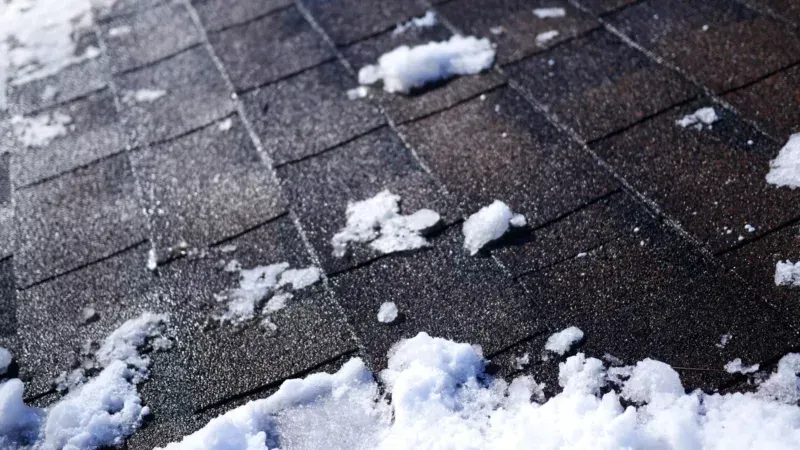
The additional weight from multiple layers can stress the roof framing, cause sagging, and even affect the home’s structural integrity—especially in winter when snow loads compound the burden.
3. Reduced Lifespan of the New Shingles
New shingles need a flat, solid surface to seal and perform correctly. Laying them over old, uneven shingles leads to:
- Poor adhesion
- Improper water shedding
- Increased vulnerability to wind and ice
As a result, the new roof wears out faster and is more likely to leak.
4. Voided Warranties and Insurance Issues
Many manufacturers—including Owens Corning, whose shingles we trust—will not honor warranties on products installed over an existing roof. Insurance companies may also deny claims if damage is linked to an improper roofing installation.
Skipping tear-off today could mean losing financial protection tomorrow.
5. Higher Future Replacement Costs
When it’s finally time to replace your roof again, removing two layers of shingles will be more expensive and time-consuming than if you had done a full tear-off in the first place.
You may also be required by local codes in Waterford to remove both layers—especially if the added weight violates building safety standards.
The Right Way: Full Tear-Off and Replacement
A full roof replacement means removing the old shingles and underlayment down to the roof decking. This gives your contractor a chance to:
- Inspect the structure for damage
- Replace rotted wood
- Install high-quality underlayment
- Ensure proper ventilation
- Apply new shingles correctly
At 180 Contractors Roofing & Siding, we always recommend a full tear-off when installing new roofing. It’s the only way to ensure lasting performance and peace of mind.
Owens Corning Systems: Designed for Long-Term Protection
We use durable materials from Owens Corning, engineered to provide superior wind resistance, energy efficiency, and weather protection—especially important for homes in Waterford, MI. A full replacement lets us install their system the way it was intended.
Make the Right Investment
It’s understandable to want to save money—but adding another layer of shingles is a short-term fix that leads to long-term headaches. For lasting protection, performance, and resale value, choose a full roof replacement.
At 180 Contractors Roofing & Siding, we’ll guide you through the smartest and safest options for your home.
Read also our blog:
Should You Replace Your Roof If It Isn’t Leaking?