Homeowners looking to refresh their exterior may consider replacing only one wall of siding to save money. While this might seem like a cost-effective solution, it can lead to significant issues in the long run. Proper siding replacement ensures structural integrity, aesthetic uniformity, and long-term durability.
The Problems with Partial Siding Replacement
1. Mismatched Appearance Reduces Curb Appeal
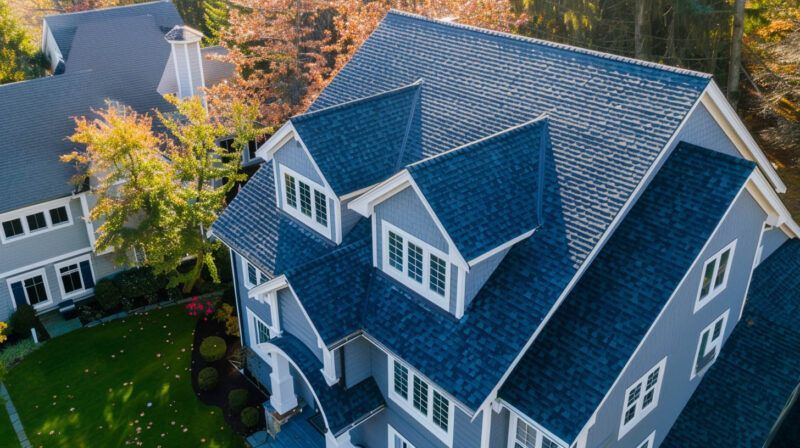
Replacing one wall of siding creates an uneven, mismatched look. Even if a close color match is found, the difference between new and aged siding is noticeable. Sun exposure, weathering, and material composition changes over time, making it nearly impossible to achieve a seamless blend.
2. Uneven Aging Affects Long-Term Performance
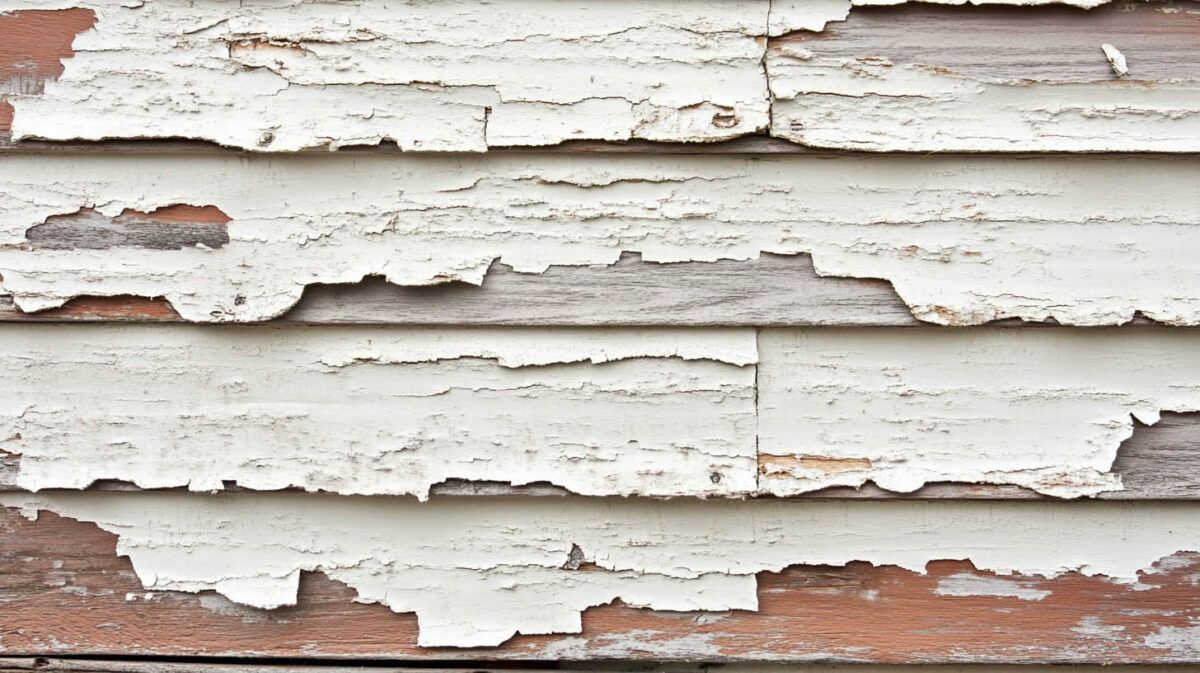
When a home’s siding is installed, all panels experience the same weather exposure and aging process. Replacing only one section means other walls will continue to age, leading to inconsistencies in protection, durability, and energy efficiency.
3. Risk of Structural Weakness
Older siding may already have minor cracks, hidden moisture damage, or weakened fasteners. Replacing one wall without addressing the entire home’s exterior can create weak points, increasing the likelihood of future damage.
The Impact of Wear and Tear on Home Siding
1. Extreme Weather Conditions
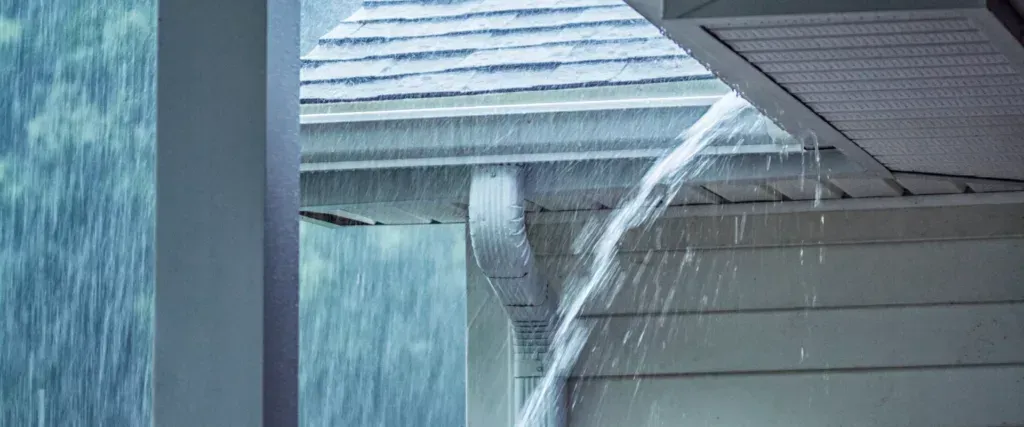
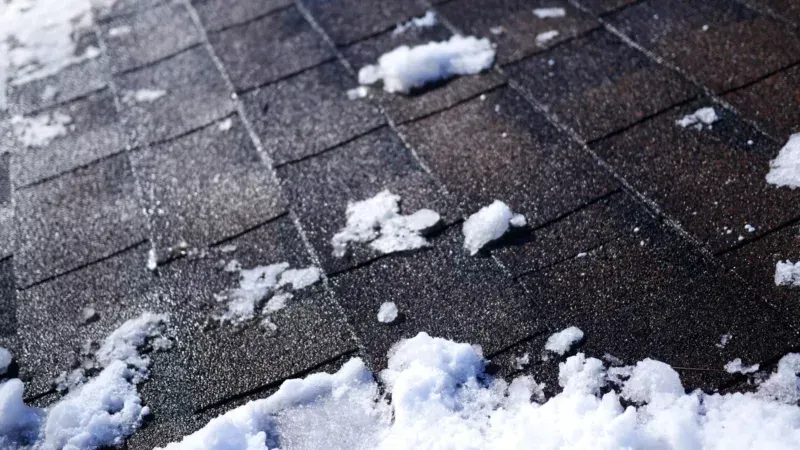
Harsh weather, including high winds, heavy rain, snow, and hail, can weaken siding over time. If only one wall is replaced, the rest of the home remains vulnerable to potential structural issues.
2. Damage to Adjacent Panels
Siding is designed to interlock and work as a protective system. Replacing a single section may disrupt this system, leading to improper sealing and water infiltration.
3. Future Material and Color Availability Issues
Siding manufacturers frequently update their product lines, meaning the exact color or material used in the past may no longer be available. Homeowners may struggle to find an exact match when attempting a partial replacement.
Warranty and Maintenance Considerations
1. Voiding Manufacturer Warranties
Most siding manufacturers provide warranties that cover defects, performance, and durability. Replacing only one section of siding may void the existing warranty, leaving homeowners without coverage for future issues.
2. Increased Maintenance Costs
A mismatched home exterior often requires additional maintenance to prevent aesthetic inconsistencies. Homeowners may need to repaint or treat older sections more frequently, increasing long-term costs.
The Best Approach: Full Siding Replacement
1. Long-Term Cost Savings
Investing in a full siding replacement ensures a consistent and durable exterior, reducing the likelihood of repeated repairs.
2. Improved Home Value
A fully updated exterior enhances curb appeal and increases property value, making it a worthwhile investment for homeowners considering future resale.
3. Optimal Energy Efficiency
New siding provides better insulation and protection against heat loss, leading to lower energy bills and improved home comfort.
Choosing a Trusted Siding Contractor
Selecting an experienced contractor ensures quality installation and long-term performance. 180 Contractors Roofing & Siding, located in Rochester Hills, MI, provides expert siding services using top-quality materials, including James Hardie, Alside, and Everlast.
Our Certifications:
- BBB A+ Accredited:
Recognized for outstanding customer service.
- Guildmaster (GuildQuality): Awarded for superior craftsmanship.
- INC 5000:
Ranked among the fastest-growing companies.
- Google Guaranteed:
Verified for top-quality service.
- Qualified Remodeler Top 100 Satisfaction:
Recognized for industry excellence.
Frequently Asked Questions
1. Can I replace just one wall of siding?
While possible, replacing only one wall is not recommended due to color mismatching, uneven aging, and warranty voidance.
2. How long does new siding last?
James Hardie fiber cement siding lasts 30-50 years, while vinyl siding typically lasts 20-30 years with proper maintenance.
3. Will partial siding replacement affect my home’s resale value?
Yes, inconsistent siding can reduce curb appeal and lower property value, making full replacement a better investment.
4. What siding material is best for long-term durability?
Fiber cement siding, such as James Hardie, offers superior longevity, weather resistance, and fire protection.
5. Can new siding improve energy efficiency?
Yes, modern siding materials enhance insulation, reducing heating and cooling costs.
Conclusion
Replacing only one wall of siding may seem like a cost-saving measure, but it often leads to mismatched aesthetics, structural vulnerabilities, and long-term maintenance issues. A full siding replacement provides the best return on investment, ensuring durability, energy efficiency, and enhanced home value. Homeowners should work with experienced siding contractors to achieve lasting, high-quality results.
Read also our blog:
Can Siding Be Painted? Understanding Your Options for a Lasting Exterior