Why Replacing Wood Siding with Vinyl Is a Smart Choice

Choosing the right siding for your home is an important choice. If you are thinking about new siding, vinyl siding is a great option for homeowners. It offers a nice look and is easy to maintain. This guide will explain why switching from wood materialto vinyl siding is a good idea for both looks and practicality. When looking to make this upgrade, consider reaching out to our company. Located in Waterford, MI, our team specializes in providing top-notch installation services. Visit our website at 180 Contractors Roofing & Siding to learn more about how we can help enhance the beauty and functionality of your home.
The Advantages of Vinyl Siding Over Wood
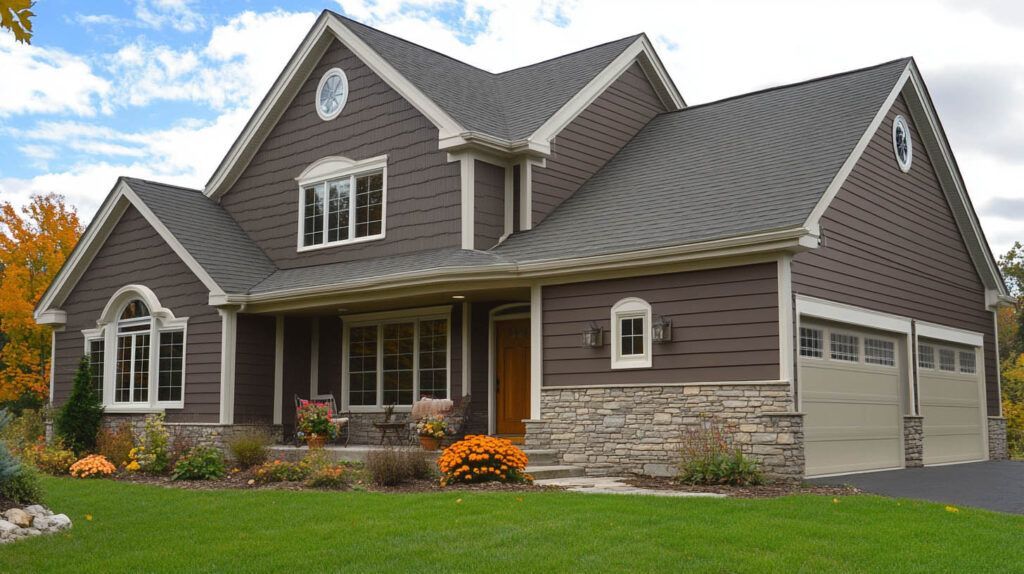
Vinyl siding surpasses wood due to its exceptional durability and longevity, offering a low maintenance option for homeowners. It withstands harsh weather conditions without the need for regular painting, unlike traditional wood siding or natural wood material such as cedar. In today’s competitive real estate market, the energy efficiency benefits of vinyl siding contribute to lower heating and energy bills by reducing heat transfer, creating a more comfortable home environment. Additionally, the wide range of colors and styles available in modern vinyl material allow for customization and versatility to match any architectural style, enhancing the beauty and curb appeal of your home.

Durability and Longevity
Vinyl siding stands out for its exceptional durability and longevity, making it an ideal choice for homeowners seeking a long-lasting option. Unlike traditional wood siding that is prone to rot, pests, and warping, modern vinyl siding is designed to withstand harsh weather conditions and resist moisture damage effectively, especially compared to wood shingles. Its durability translates to minimal upkeep, providing homeowners with peace of mind knowing their home’s exterior is well-protected.
Maintenance and Ease of Care
Vinyl siding offers homeowners low maintenance requirements, unlike traditional wood siding that demands regular maintenance, painting, and staining. With minimal upkeep, vinyl eliminates the need for constant care, providing peace of mind and saving homeowners time. Its durability ensures it can withstand harsh weather conditions without warping, rotting, or developing mildew. Key differences between cleaning vinyl and wood siding allow for simple maintenance, requiring only occasional wash-downs to maintain the beauty of your home.

Understanding the Cost Benefits
While the upfront costs of vinyl siding may be a bit more than wood siding, it’s important to think about the long-term cost benefits. Vinyl siding is strong and needs low maintenance, which can save you a lot of money over time and ultimately make it a cost-effective option in the long run. You won’t have to pay for painting, staining, or repairs like you would with wood siding.
Upfront Costs Compared to Wood Siding
Vinyl material typically presents a more budget-friendly option upfront when compared to traditional wood siding. Although wood siding can exude a classic charm and a traditional look, its initial expense can be significantly higher due to the cost of materials and installation. On the other hand, vinyl material offers a wide range of styles, including board and batten, and numerous advantages as a more cost-effective solution without compromising on aesthetics or quality, making it a popular choice for homeowners. Homeowners looking to enhance their property with a durable and visually appealing exterior can benefit from choosing vinyl siding, which provides a balance between affordability and durability.

Long-Term Savings and ROI
Considering long-term savings and return on investment (ROI) is crucial when choosing siding for your home. Vinyl material offers exceptional durability, requiring minimal upkeep and maintenance compared to traditional wood siding. By opting for vinyl, homeowners can save significantly on regular painting, repairs, and replacement costs over the years. Additionally, considering the environmental impact, the insulation properties of vinyl material contribute to lower energy bills, enhancing the overall cost-effectiveness and your home’s curb appeal.
Call Us (248) 714-9158
Conclusion
In conclusion, switching from wood siding to vinyl is a smart choice and may be the right choice for homeowners. There are many reasons for this. Vinyl material is durable and requires low maintenance. It is also cost-effective and improves energy efficiency. If you are thinking about making this change, contact local professionals for quotes. They can help you find the best options for your home. Additionally, we are proud to partner with reputable brands such as James Hardie, Alside, and Everlast. Our awards include being BBB A+ accredited, Guildmaster (Guildquality), INC 5000, Google Guaranteed, and Qualified Remodeler top 100 satisfaction.
Frequently Asked Questions
Should you replace wood siding with vinyl?
If you want something that lasts longer and needs less care, switching from wood to vinyl siding is a smart choice. Vinyl is better at resisting moisture and humidity, insect infestation, pests, and rot. This means you will have to do minimal upkeep. Plus, it can save you money over time.
What is the downside of vinyl siding?
A downside of vinyl siding is that it can harm the environment because it does not break down. Also, if the temperature changes a lot, the siding may warp or fade. If it is not put up the right way, it could also get damaged by moisture.
Learn more about
what to expect during the installation process.
GET A FREE QUOTE
We will get back to you as soon as possible.
Please try again later.
Recent Posts