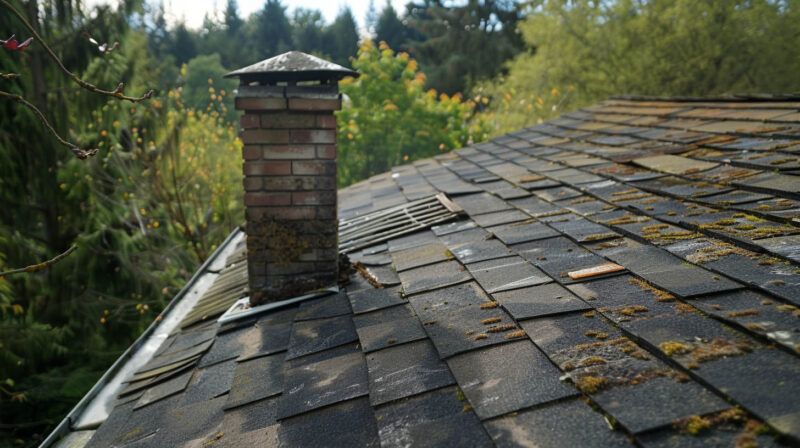
When it comes to protecting your home from water damage, shingles alone aren’t enough. Roof flashing plays a vital role in sealing vulnerable areas and directing water away from places where leaks are most likely to occur. In Troy, MI, where heavy rain, snow, and wind can put any roofing system to the test, understanding the importance of flashing can make a major difference in your roof’s performance and longevity.
What Is Roof Flashing?
Roof flashing is typically made of thin metal—like aluminum, galvanized steel, or copper—and is installed around areas of the roof that intersect or protrude. These include:
- Chimneys
- Skylights
- Vents and pipes
- Roof valleys
- Dormers and wall intersections
The purpose of flashing is to create a watertight seal in these joints and to guide water off the roof instead of letting it seep into your home’s structure.
Why It Matters More Than You Think
Even the most durable roofing materials are prone to leaks if the flashing is poorly installed, damaged, or missing. Water naturally flows to seams and edges—precisely where flashing is placed. Without this protective barrier, moisture can penetrate your underlayment, roof decking, and insulation, leading to:
- Mold and mildew growth
- Rotting wood and framing
- Interior ceiling stains and drywall damage
- Premature roof failure
In Troy’s variable climate, where rain can be followed by freezing temperatures, any trapped moisture can freeze and expand—worsening cracks and openings around flashing points.
Signs of Flashing Failure
Flashing doesn’t last forever. Look for these signs that your flashing may need repair or replacement:
- Rust or corrosion on metal flashing
- Lifting or gaps around flashing edges
- Visible water stains inside your home near chimneys or roof valleys
- Missing or displaced shingles around flashing zones
Catching these problems early can save you thousands in future repairs.
Types of Flashing
There are several types of flashing used depending on the area of the roof:
- Step flashing: Used where the roof meets vertical walls.
- Valley flashing: Installed in roof valleys to manage runoff.
- Counter flashing: Often used with chimneys, embedded into the masonry to prevent water entry.
- Vent pipe flashing:
Specially shaped to seal plumbing or exhaust pipes.
A professional roofer will choose and install the right type of flashing based on your roof’s design.
Professional Installation Is Key
Flashing must be installed with precision. Even slight misalignments or improperly sealed edges can allow water to sneak in. That’s why it’s essential to hire an experienced contractor familiar with local building codes and weather conditions.
180 Contractors Roofing & Siding in Troy, MI specializes in leak-proof flashing installation and repair. Their team takes the time to inspect every vulnerable area of your roof, using high-quality materials and best practices to ensure long-lasting performance. Visit 180 Contractors Roofing & Siding to learn more.
Quality Materials Make the Difference
Flashing works best when paired with a complete roofing system. Owens Corning, a leader in the industry, offers integrated systems with flashing, underlayment, and shingles designed to work together for maximum water resistance. Using certified products installed by trained professionals ensures your home is protected for the long haul.
Final Thoughts
Roof flashing may be a small part of your roofing system, but it does some of the heaviest lifting when it comes to keeping water out. In a weather-prone area like Troy, MI, investing in proper flashing installation and maintenance is one of the smartest ways to extend your roof’s life and prevent costly damage.
Read also our blog:
When and Why You Should Schedule a Roof Inspection