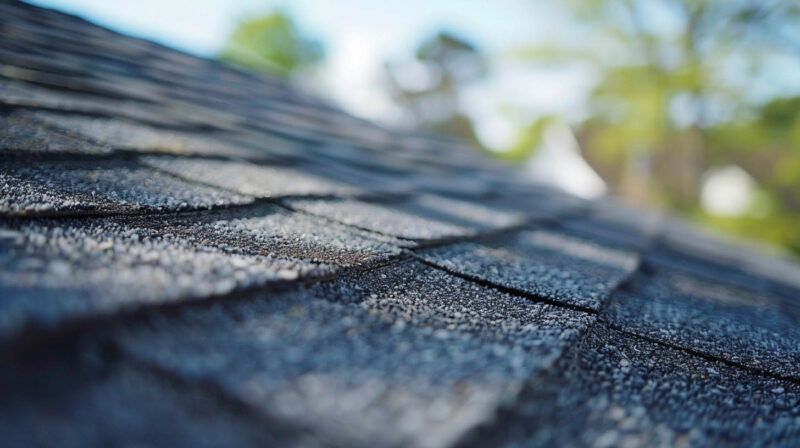
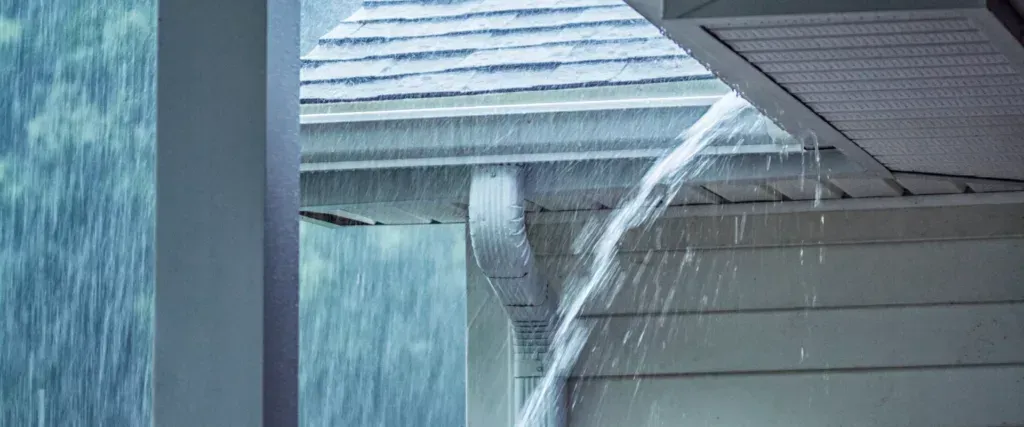
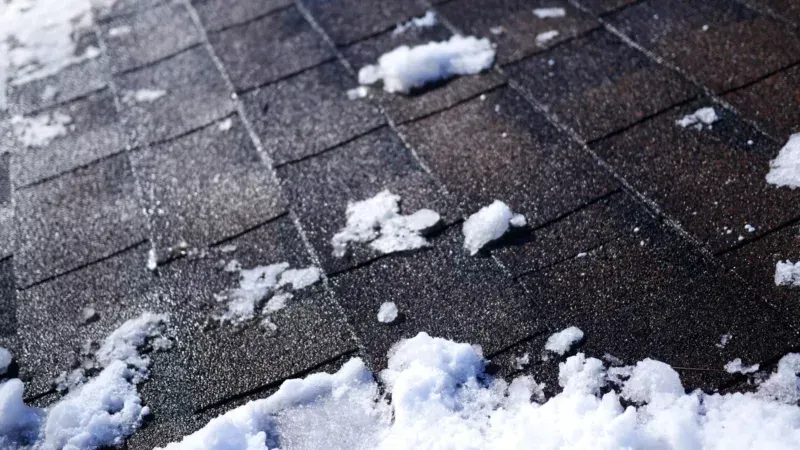
When strong winds roll through Troy, MI, it’s not uncommon to see scattered shingles on the ground or flapping loosely from rooftops. While shingles are designed to withstand typical weather conditions, high winds, improper installation, and aging materials can cause them to detach—leading to leaks, insulation issues, and expensive repairs. Understanding why shingles blow off and how to prevent it can help you safeguard your roof and your home year-round.
Common Causes of Shingle Blow-Off
1. Poor Installation
Shingles that aren’t properly nailed or are nailed in the wrong spot can easily lift with wind pressure. Each shingle has a designated nailing strip designed to anchor it firmly—if this is missed during installation, the risk of blow-off increases significantly.
2. Aging Materials
Over time, shingles dry out, become brittle, and lose their adhesive strength. This aging process makes them more vulnerable to separation during strong wind gusts.
3. Weather Exposure
Troy experiences a mix of snow, wind, rain, and extreme heat, all of which can break down roofing materials. Repeated freeze-thaw cycles and prolonged sun exposure degrade the shingle adhesive and backing, loosening their grip on the roof deck.
4. Inadequate Ventilation
Improper attic ventilation can trap heat and moisture beneath your shingles. This not only accelerates aging but can warp decking and loosen shingle fasteners.
5. High Winds and Storms
Even the best-installed shingles can come loose in extreme conditions, especially during thunderstorms or when wind speeds exceed the design tolerance of the materials used.
How to Prevent Shingles from Blowing Off
Invest in Quality Materials
Not all shingles are created equal. Premium options like those from Owens Corning are engineered for wind resistance and longevity. Choose shingles rated for high wind speeds and consider architectural or laminated shingles for extra durability.
Hire Certified Contractors
Professional installation is key to a wind-resistant roof. Certified contractors know how to correctly nail and align shingles, apply proper underlayment, and reinforce vulnerable areas like valleys and eaves.
Keep Up With Roof Maintenance
Annual inspections can catch early signs of shingle failure. Look for curling edges, missing granules, and loose or lifted shingles. Repair or replace damaged sections promptly to prevent chain-reaction blow-offs.
Improve Attic Ventilation
Ensure your attic has balanced intake and exhaust ventilation to keep moisture and heat levels under control. This stabilizes your roof structure and extends the life of your shingles.
Use Roofing Cement for Added Security
For areas prone to high winds—such as ridgelines or corners—applying roofing cement beneath shingles adds an extra layer of adhesion.
Why Timely Action Matters
Blown-off shingles leave your underlayment and roof deck exposed to the elements, making leaks almost inevitable. Moisture intrusion leads to insulation damage, interior water stains, and even mold. Taking preventive steps now can save you from major repairs down the road.
Trust the Local Experts
If you’ve noticed shingles lifting or falling off your roof, it’s time to consult the professionals. 180 Contractors Roofing & Siding in Troy, MI delivers precise roofing repairs and full replacements using premium materials designed to handle Michigan’s unpredictable weather. Visit 180 Contractors Roofing & Siding to schedule a roof inspection or get a quote.
Final Thoughts
Preventing shingle blow-off isn’t just about protecting your roof—it’s about preserving your entire home. With routine maintenance, proper ventilation, and quality materials, you can avoid costly damage and ensure your roof stays intact through every season in Troy, MI.
Read also our blog:
Essential Roof Maintenance Tips for Summer