Granules are a vital part of asphalt shingles, contributing to UV protection, fire resistance, and durability. Yet over time, even the highest-quality shingles will begin to shed these granules. In Bloomfield Hills, MI, where weather extremes and environmental conditions can be particularly challenging, it’s important to understand why granule loss occurs and when it becomes a concern. In this blog, we’ll explain the causes behind granule loss and how 180 Contractors Roofing & Siding can help keep your roof in optimal condition.
What Are Granules, and Why Are They Important?
Granules are small mineral particles added to asphalt shingles during manufacturing. They serve several critical functions:
- Shielding against UV rays
- Improving fire resistance
- Providing color and texture
- Enhancing overall durability
Without granules, shingles would degrade rapidly under sun exposure, become less fire-resistant, and look visually inconsistent.
Natural Aging of Shingles
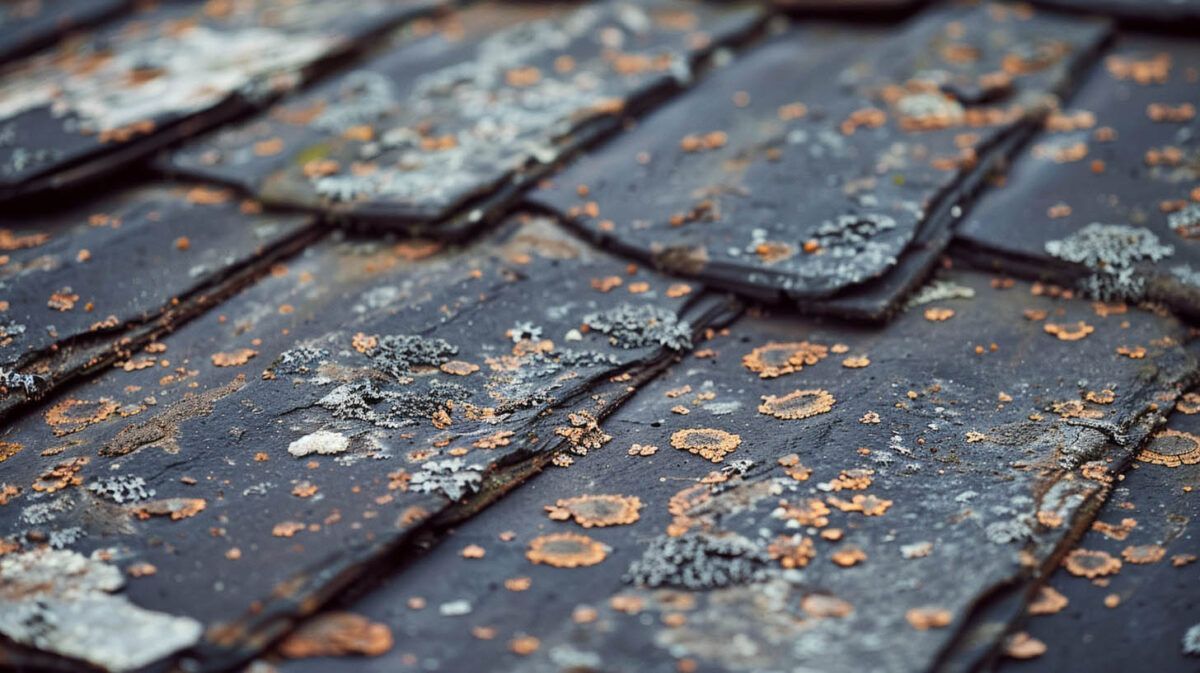
One of the most common reasons shingles lose granules is natural aging. As shingles are exposed to sunlight, heat, and moisture over time, the asphalt layer becomes brittle and less adhesive. This weakens the bond between the shingle surface and the granules, causing them to shed.
Impact From Weather Events
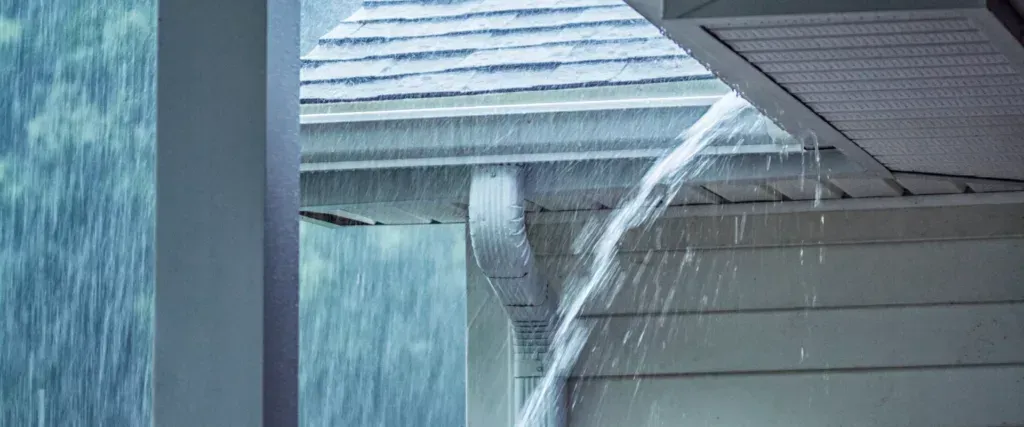
Bloomfield Hills experiences a range of weather—from heavy snow and ice to summer storms. These elements take a toll on roofing materials:
- Hail impact can knock granules loose on contact.
- Wind uplift may loosen shingles, which leads to friction and granule loss.
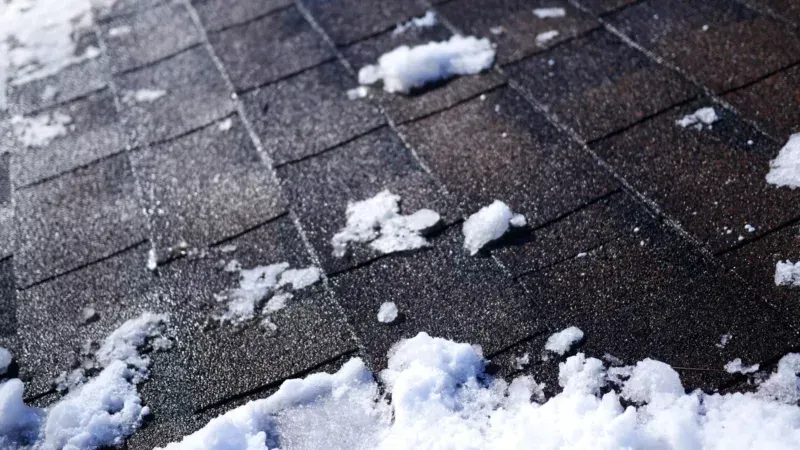
- Freeze-thaw cycles create expansion and contraction that weaken the shingle surface.
Mechanical Stress and Foot Traffic
Walking on the roof, placing ladders incorrectly, or performing installations (like satellite dishes or holiday lights) can dislodge granules. Foot traffic wears down the granule layer and compromises the shingle’s protective coating.
Manufacturing Variations
Not all shingles are created equal. Lower-quality products may begin losing granules prematurely due to:
- Inconsistent granule application
- Poor asphalt adhesion
- Inadequate curing processes
Choosing high-quality shingles—such as those from Owens Corning—helps ensure longer-lasting performance and more secure granule bonding.
Signs of Excessive Granule Loss
Some granule shedding is normal, especially right after a new installation. But watch for these red flags:
- Large accumulations of granules in gutters or at downspouts
- Exposed asphalt layers or bald spots on the shingles
- Dark streaks or uneven color patches on the roof surface
If you notice any of these, it’s time for a professional evaluation.
Can You Repair Granule Loss?
Unfortunately, once shingles lose granules, they cannot be re-coated or repaired. The best course of action depends on the extent of the damage:
- Spot repairs: For minor or localized granule loss, replacing individual shingles may suffice.
- Full replacement: Widespread granule loss usually signals the need for a new roof.
How to Slow Down Granule Loss
- Schedule annual roof inspections to catch early issues
- Trim overhanging branches to reduce abrasion from limbs and debris
- Clean gutters regularly to prevent water backup and ice dams
- Avoid unnecessary walking on your roof
- Use experienced, certified contractors for installation and repairs
Work With Local Experts
In Bloomfield Hills, 180 Contractors Roofing & Siding is the trusted name for quality roof inspections and repairs. As an Owens Corning Preferred Contractor with a BBB A+ rating, their team knows how to identify early signs of granule loss and recommend the best path forward—whether that’s a minor repair or full replacement.
Final Thoughts
Granule loss is an inevitable part of your roof’s aging process, but understanding its causes and catching it early can extend your roof’s life and prevent costly damage. Whether you’ve noticed granules in your gutter or suspect your roof’s nearing the end of its lifespan, don’t wait.
Read also our blog:
What Are Roof Granules and Why They Matter