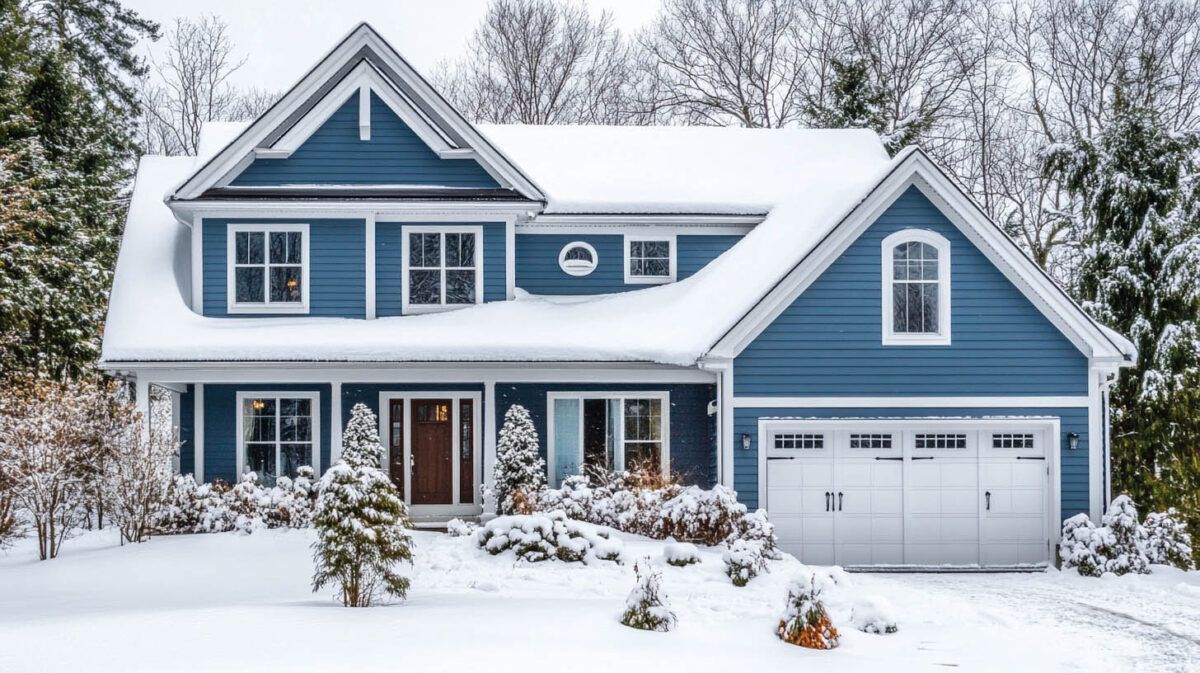
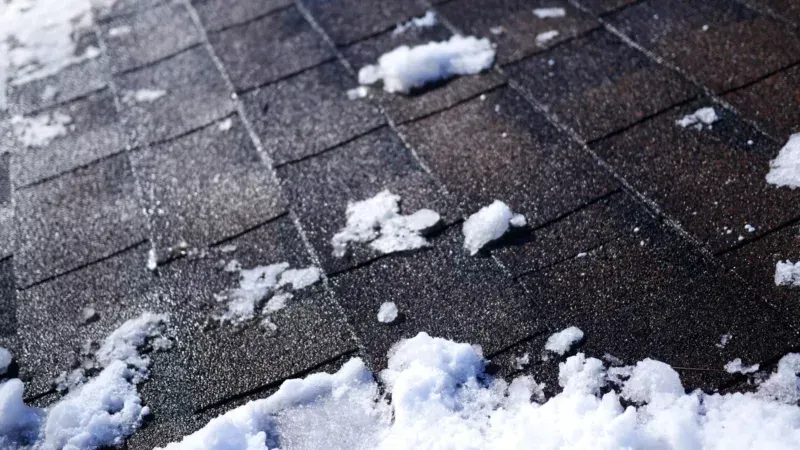
Winter can be particularly harsh on homes, with freezing temperatures, snow, and strong winds causing significant wear and tear on exterior materials. Choosing the right siding for your home is essential to protect it against these elements. Fiber cement siding stands out as a durable, long-lasting solution that offers superior protection, energy efficiency, and aesthetic appeal.
What Makes Fiber Cement Siding Ideal for Winter?
Fiber cement siding is composed of a unique blend of cement, sand, and cellulose fibers, creating a highly durable material that withstands extreme weather conditions. Here’s why it’s an excellent choice, especially for winter installations:
1. Resistance to Freezing and Thawing Cycles
Winter weather often brings repeated cycles of freezing and thawing, which can cause other siding materials, such as vinyl or wood, to crack, warp, or rot. Fiber cement siding remains stable under temperature fluctuations, making it less prone to damage.
2. Superior Moisture Resistance
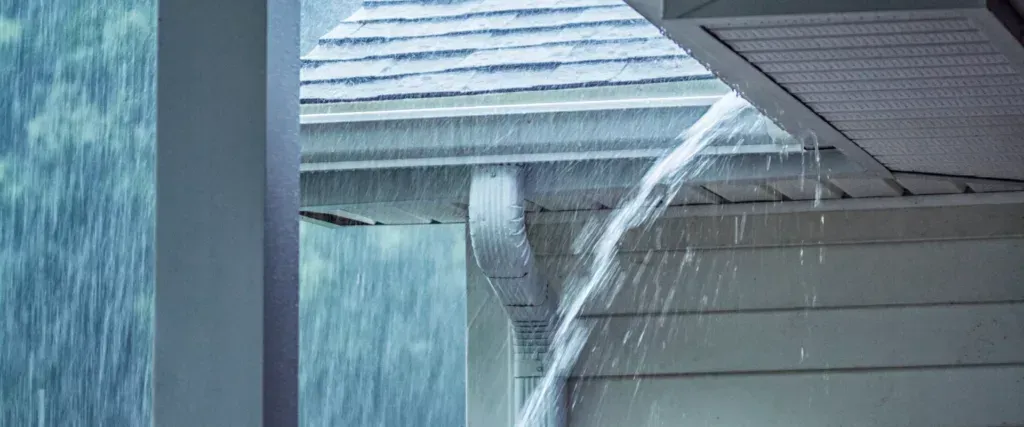
Excess moisture from snow and ice can lead to mold, mildew, and rotting in traditional wood siding. Fiber cement siding is highly resistant to moisture absorption, preventing these common winter-related issues and maintaining its integrity over time.
3. Withstands High Winds and Impact Damage
Winter storms can bring high winds, ice, and debris, all of which can damage weaker siding materials. Fiber cement siding can withstand winds up to 130 mph and resists damage from hail, making it one of the most durable siding options available.
4. Fire Resistance for Added Protection
Fiber cement siding is non-combustible, providing an extra layer of fire protection. Unlike vinyl siding, which can melt under high heat, fiber cement siding does not ignite, offering increased safety for homeowners.
5. Pest and Insect Resistance
Unlike wood siding, which can attract termites and other pests, fiber cement siding is resistant to insect damage. Its composition makes it unappealing to termites, woodpeckers, and other critters that can cause costly damage to homes.
Why Install Fiber Cement Siding in Winter?
Homeowners often assume that siding installation should be done in warm weather, but winter can be an ideal time for fiber cement siding installation. Here’s why:
1. Lower Installation Costs and Faster Scheduling
Winter is considered an off-season for many exterior home improvement projects, meaning contractors may offer better pricing and quicker scheduling. Homeowners can take advantage of these benefits and complete their siding project without long delays.
2. Minimal Disruption to Landscaping
Spring and summer siding installations can cause significant disruption to landscaping, as heavy equipment and scaffolding may damage gardens and lawns. In winter, plants are dormant, and yards are less susceptible to damage.
3. Immediate Energy Efficiency Benefits
Fiber cement siding enhances a home’s insulation and reduces heat loss, leading to immediate energy savings during the colder months. By installing siding in winter, homeowners can enjoy a more comfortable home while lowering their heating bills.
Choosing the Right Fiber Cement Siding Brand
When selecting fiber cement siding, choosing a reputable brand ensures long-lasting performance and aesthetic appeal. Some of the top manufacturers include:
- James Hardie: Known for its durability and extensive color options.
- Alside: Offers energy-efficient siding solutions.
- Everlast: Features innovative, low-maintenance designs.
Key Considerations for Fiber Cement Siding Installation
Before installing fiber cement siding, homeowners should consider the following factors:
1. Proper Installation Techniques
Fiber cement siding is heavier than other siding materials, requiring professional installation to ensure a secure and long-lasting fit. Improper installation can lead to issues such as water infiltration and premature wear.
2. Sealing and Painting
While fiber cement siding comes pre-primed or pre-painted in many cases, additional sealing or painting may be necessary for added protection. Using high-quality, weather-resistant paint ensures durability and long-term color retention.
3. Maintenance Requirements
Although fiber cement siding is low-maintenance compared to wood, periodic cleaning and inspections are recommended. Checking for any minor cracks or gaps and addressing them promptly helps maintain the siding’s longevity.
How Fiber Cement Siding Compares to Other Siding Materials
Vinyl Siding vs. Fiber Cement Siding
- Durability: Vinyl siding can crack in extreme cold, while fiber cement remains intact.
- Fire Resistance: Vinyl siding melts under high heat; fiber cement is non-combustible.
- Aesthetic Appeal: Fiber cement closely resembles wood and offers a more natural appearance.
Wood Siding vs. Fiber Cement Siding
- Moisture Resistance: Wood siding is prone to rotting; fiber cement is highly resistant.
- Maintenance: Wood requires regular staining and painting; fiber cement has minimal upkeep.
- Pest Resistance: Wood attracts termites and insects; fiber cement does not.
The Best Siding Installation Professionals
Choosing a reputable contractor is crucial for a successful fiber cement siding installation. 180 Contractors Roofing & Siding, located in Waterford, MI, has built a strong reputation for quality craftsmanship and customer satisfaction.
Our Certifications:
- BBB A+ Accredited: A testament to our commitment to high standards.
- Guildmaster (GuildQuality): Recognized for exceptional service.
- INC 5000: Ranked among the fastest-growing companies.
- Google Guaranteed: Verified and trusted by homeowners.
- Qualified Remodeler Top 100 Satisfaction: Industry recognition for outstanding work.
Frequently Asked Questions
1. How long does fiber cement siding last?
Fiber cement siding can last 30 to 50 years with proper installation and minimal maintenance.
2. Does fiber cement siding require repainting?
Yes, but much less frequently than wood siding. Pre-finished options from top brands can last up to 15 years before requiring a fresh coat.
3. Is fiber cement siding environmentally friendly?
Yes, it is made from sustainable materials and does not emit harmful chemicals.
4. How much does fiber cement siding cost compared to other materials?
While fiber cement siding is more expensive upfront than vinyl, it offers long-term savings due to its durability and low maintenance requirements.
Conclusion
Winter is an excellent time to upgrade to fiber cement siding due to its durability, energy efficiency, and resistance to extreme weather conditions. By choosing high-quality brands and working with experienced professionals, homeowners can protect their investment and enhance their home’s appearance. With its superior performance compared to other materials, fiber cement siding is a smart choice for homeowners looking for a long-term siding solution.
Read also our blog:
The Best Fire-Resistant Siding Options for Home Protection