5 Clear Signs That It’s Time to Replace Your Home’s Siding

180 Contractors • May 11, 2025
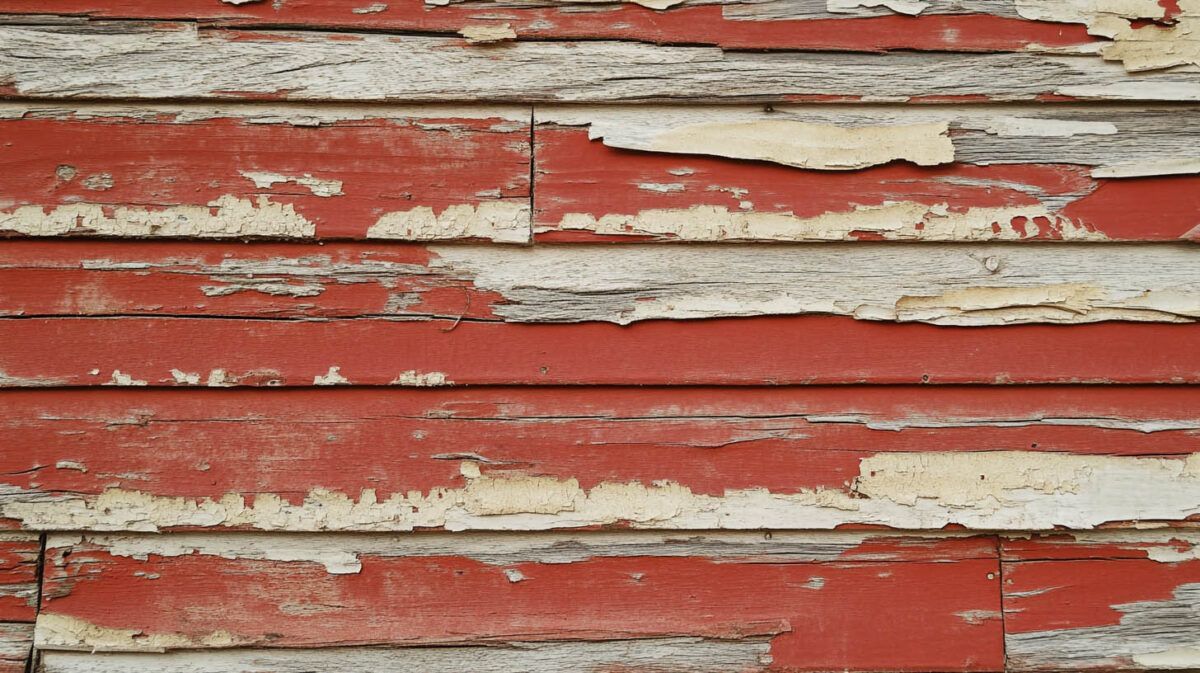
Peeling red-painted wooden boards with white weathered patches and horizontal planks

Siding is an essential part of a home’s exterior, providing protection from the elements, enhancing curb appeal, and contributing to overall energy efficiency. Over time, even the most durable siding materials will show signs of wear, potentially leading to structural issues and higher utility costs. Knowing when to replace your siding can prevent costly repairs and improve the longevity of your home.


Fading and Discoloration

Fading and discoloration are among the most noticeable signs that siding needs to be replaced. Exposure to UV rays, rain, and fluctuating temperatures can cause colors to fade, making a home’s exterior look dull and outdated.


Causes of Siding Fading

  • Sun Exposure: Prolonged exposure to sunlight breaks down the pigments in siding materials.
  • Weather Damage: Heavy rain, snow, and storms can cause uneven fading and stains.
  • Low-Quality Materials: Older siding may not have been manufactured with UV-resistant coatings, making it prone to discoloration.


When Fading Indicates Replacement Is Needed

  • If the siding has become noticeably patchy or uneven.
  • If repainting no longer restores the original color.
  • If fading is accompanied by signs of material deterioration, such as brittleness or cracking.


Cracks, Warping, and Physical Damage

Visible cracks, warped panels, or buckling siding are clear signs of structural problems. These issues can allow moisture and pests to infiltrate, leading to mold growth and damage to the home’s foundation.


Common Causes of Cracked and Warped Siding

  • Water Damage: Moisture trapped behind siding can cause it to expand and warp.
  • Temperature Fluctuations: Expanding and contracting materials may lead to buckling.
  • Improper Installation: Poorly installed siding may not have room to adjust with temperature changes, leading to warping.


Signs That Cracked or Warped Siding Needs Replacement

  • Large cracks that expose the underlying structure.
  • Warped panels that no longer fit properly.
  • Soft or rotting sections, especially in wood siding.


Increasing Energy Bills

Siding plays a crucial role in insulating a home. If heating and cooling costs have unexpectedly risen, damaged or aging siding may be allowing drafts and air leaks.


How Siding Affects Energy Efficiency

  • Gaps and Holes: Even small openings can let in cold air during winter and hot air in summer.
  • Loss of Insulation: Some siding materials have built-in insulation, which can deteriorate over time.
  • Poor Sealing: Siding that has separated from the home can disrupt insulation and airflow regulation.


Signs That Siding Is Causing Energy Loss

  • Frequent drafts near walls and windows.
  • Higher heating and cooling costs despite no changes in energy usage.
  • Uneven indoor temperatures throughout the home.


Replacing old siding with modern, energy-efficient materials such as insulated vinyl or fiber cement can significantly reduce energy consumption and improve comfort.


Pest Infestations and Structural Damage

Damaged siding can create entry points for pests such as termites, carpenter ants, and rodents, leading to extensive structural damage.


How Siding Protects Against Pests

  • Properly installed siding seals off cracks and gaps.
  • Durable materials like fiber cement and metal are pest-resistant.
  • Moisture-resistant siding prevents the conditions that attract termites and mold.


Signs That Pests Have Infested Siding

  • Small holes or tunnels in wooden siding.
  • Insect droppings or nests near siding seams.
  • Soft or crumbling areas indicating termite damage.


If pests have taken advantage of deteriorating siding, replacing it with a pest-resistant material such as fiber cement or vinyl is the best long-term solution.


Outdated Appearance and Diminished Curb Appeal

Even if siding is not structurally damaged, an outdated look can make a home appear neglected and reduce its market value. New siding can completely transform a home’s appearance and enhance its resale potential.


When to Consider Siding Replacement for Aesthetic Reasons

  • The siding color is outdated and no longer matches the neighborhood style.
  • Multiple repairs have resulted in mismatched materials and colors.
  • New siding trends offer better durability, energy efficiency, and visual appeal.


Modern siding materials come in a variety of textures, colors, and finishes, making it easier to customize the exterior to match contemporary styles while increasing property value.


Choosing the Right Replacement Siding

When replacing siding, selecting the best material is crucial for long-term durability and cost-effectiveness.

Best Siding Options for Replacement


Best Siding Options for Replacement
Siding Type Durability Maintenance Cost Weather Resistance
Vinyl 20–40 years Low Low Moderate
Fiber Cement 50+ years Moderate High Excellent
Wood 15–40 years High Moderate to High Moderate
Brick Veneer 50+ years Low High Excellent
Metal 40–60 years Low Moderate Excellent

Factors to Consider When Choosing Siding

  • Climate: Homes in humid or storm-prone areas should use moisture-resistant siding.
  • Budget: Vinyl is the most cost-effective, while fiber cement and brick offer better longevity.
  • Aesthetics: Wood and fiber cement provide a natural look, while metal siding suits modern homes.
  • Energy Efficiency: Insulated siding options can lower utility costs.


Professional Siding Replacement Services

For homeowners considering a siding upgrade, professional installation ensures lasting quality and protection. 180 Contractors Roofing & Siding, located in Rochester Hills, MI, specializes in expert siding replacement, offering homeowners superior craftsmanship and high-quality materials. Our industry-recognized credentials include:

  • BBB A+ Accredited – Recognized for outstanding customer service and quality workmanship.
  • Guildmaster (GuildQuality) – Awarded for excellence in home improvement.
  • INC 5000 – Ranked among the fastest-growing home improvement companies.
  • Google Guaranteed – Verified for superior service and reliability.
  • Qualified Remodeler Top 100 Satisfaction – Acknowledged for customer satisfaction and craftsmanship.


We partner with industry-leading brands such as James Hardie, Alside, and Everlast, ensuring that homeowners receive durable, long-lasting siding materials tailored to their needs.


Conclusion

Replacing siding is essential for maintaining a home’s structural integrity, energy efficiency, and curb appeal. Signs like fading, cracks, high energy bills, pest infestations, and outdated aesthetics indicate that it’s time for an upgrade. Investing in high-quality replacement siding enhances home protection, boosts property value, and provides long-term savings on energy costs. Working with experienced professionals ensures a seamless installation process and a home exterior built to last.


Frequently Asked Questions (FAQs)

  1. How often should siding be replaced?
    Siding lifespan varies by material, but most options last between 20–50 years with proper maintenance.
  2. What is the most cost-effective siding option?
    Vinyl siding is the most affordable and low-maintenance option, making it popular for budget-conscious homeowners.
  3. Can new siding improve home insulation?
    Yes, modern siding materials, such as insulated vinyl and fiber cement, enhance energy efficiency and reduce heating and cooling costs.
  4. How do I know if my siding needs repair or full replacement?
    Minor cracks and isolated damage can often be repaired, but widespread warping, mold growth, or severe fading typically require full replacement.
  5. What is the best siding material for pest resistance?
    Fiber cement and metal siding are highly resistant to pests such as termites and carpenter ants.


Read also our blog: Top Siding Choices for Your Home’s Exterior

GET A FREE QUOTE

Share this article

Recent Posts

Aerial view of a large blue-gray house with dormer windows and a landscaped yard in autumn
By 180 Contractors May 14, 2026
Your roof works silently year after year, shielding your home from rain, wind, sun, and snow. But like every part of your home, it doesn’t last forever. The key is knowing when repair is no longer enough—and a full roof replacement is the smarter, safer move. For homeowners in Bloomfield Hills, MI, where intense season
Rainwater pouring from a house roof and gutter during a storm
By 180 Contractors April 13, 2026
Michigan weather can be tough on homes, especially when it comes to your roof. From heavy snow in the winter to strong thunderstorms in the summer, each season brings conditions that can wear down roofing materials over time. Knowing how these storms affect your roof can help you catch problems early and avoid more ser
Snow piled on a dark shingled roof, with scattered patches of snow across the surface.
By 180 Contractors March 3, 2026
If you’ve lived through a Michigan winter, you know your roof takes a beating. Between heavy snowfall, freezing rain, fluctuating temperatures, and strong winds, winter weather can quietly wear down even a well-built roofing system. By the time spring arrives, many homeowners are surprised to learn that damage has alre