Top Siding Choices for Your Home’s Exterior

180 Contractors • May 11, 2025
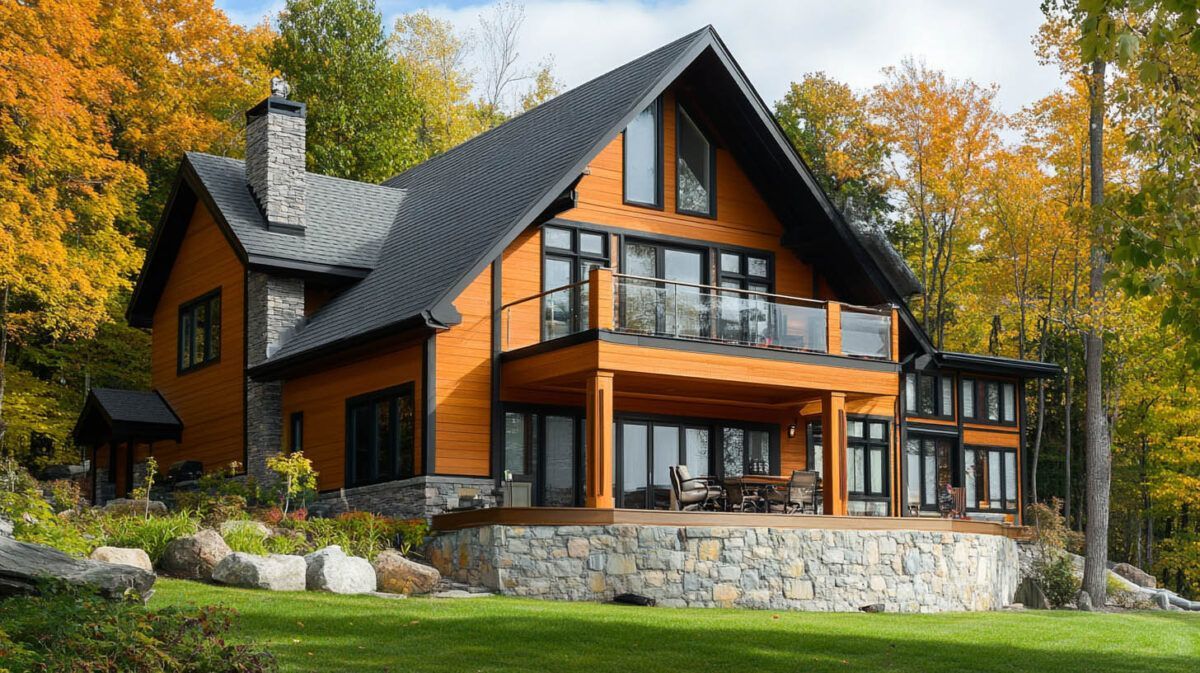
Modern wooden cabin with stone foundation and dark roof in an autumn forest setting

Choosing the right siding for a home is one of the most significant decisions a homeowner can make. Siding not only defines a home’s aesthetic appeal but also plays a crucial role in protecting it from harsh weather, improving energy efficiency, and increasing property value. With various materials available, each offering unique advantages and drawbacks, selecting the best siding requires careful consideration.


Understanding the Role of Siding

Siding serves as a protective barrier against external elements such as wind, rain, snow, and extreme temperatures. It also impacts insulation, helping regulate indoor temperature and reduce energy consumption. Additionally, the right siding enhances curb appeal and can significantly affect resale value.


The Most Popular Siding Options

1. Vinyl Siding: The Cost-Effective Choice

Vinyl siding is one of the most widely used materials due to its affordability, durability, and low maintenance.


Advantages:

  • Available in various styles, including traditional lap, Dutch lap, and board-and-batten.
  • Resistant to moisture, preventing issues like mold and rot.
  • Requires minimal upkeep—only occasional cleaning with soap and water.
  • Cost-effective compared to other siding materials.


Considerations:

  • Can crack in extreme cold temperatures.
  • May fade over time without UV-resistant coatings.
  • Not as impact-resistant as fiber cement or brick.


2. Fiber Cement Siding: Durability and Versatility

Fiber cement siding is a premium option that combines the aesthetic appeal of wood with superior durability.


Advantages:

  • Resistant to fire, insects, and moisture damage.
  • Available in wood-look textures and various color options.
  • Can last 50 years or more with proper maintenance.


Considerations:

  • Heavier than other siding materials, requiring professional installation.
  • More expensive than vinyl but offers superior longevity.
  • Periodic repainting may be required to maintain color vibrancy.


3. Wood Siding: A Classic and Natural Look

Wood siding provides a timeless aesthetic that complements traditional and rustic homes.


Advantages:

  • Can be painted or stained in any color.
  • Biodegradable and environmentally friendly.
  • Offers a high-end, natural appearance.


Considerations:

  • Requires frequent maintenance, including painting and sealing.
  • Prone to insect damage, rot, and mold without proper care.
  • More expensive than vinyl but can increase home value.


4. Brick Veneer Siding: A Durable and Elegant Option

Brick veneer siding gives homes a stately and elegant appearance while offering excellent durability.


Advantages:

  • Resistant to fire, pests, and extreme weather.
  • Requires minimal maintenance.
  • Increases home value due to its long lifespan.


Considerations:

  • Higher installation costs compared to other siding materials.
  • Limited color and design options.
  • Heavier than vinyl or fiber cement, requiring proper wall support.


5. Metal Siding: Modern and Weather-Resistant

Metal siding, including aluminum and steel, is gaining popularity for its sleek appearance and weather resistance.


Advantages:

  • Fire-resistant and highly durable.
  • Low maintenance and does not rot or warp.
  • Energy-efficient, reflecting heat and reducing cooling costs.


Considerations:

  • Can dent upon impact.
  • Limited color options compared to vinyl and fiber cement.
  • May require periodic repainting or protective coatings.


6. Stucco Siding: Ideal for Certain Climates

Stucco siding is a common choice in warm, dry climates due to its ability to regulate indoor temperatures.


Advantages:

  • Resistant to fire and pests.
  • Provides excellent insulation.
  • Customizable with various textures and finishes.


Considerations:

  • Prone to cracking in areas with frequent freeze-thaw cycles.
  • Requires professional installation for optimal durability.
  • Can absorb moisture if not properly sealed.


Comparing Siding Materials

Siding Type Durability Maintenance Cost Weather Resistance
Vinyl 20–40 years Low Low Good
Fiber Cement 50+ years Moderate High Excellent
Wood 15–40 years High Moderate to High Moderate
Brick Veneer 50+ years Low High Excellent
Metal 40–60 years Low Moderate Excellent
Stucco 50+ years Moderate High Good (in dry climates)

Choosing the Right Siding for Your Home

Factors to Consider

  • Climate:
  • Homes in humid regions should avoid wood due to potential rot.
  • Cold climates may require impact-resistant siding like fiber cement or brick.
  • Budget:
  • Vinyl is the most budget-friendly option.
  • Brick and fiber cement have higher upfront costs but offer long-term value.
  • Aesthetic Preferences:
  • Wood and brick provide a classic look.
  • Metal and fiber cement offer a modern appearance.
  • Maintenance Commitment:
  • If low maintenance is a priority, vinyl or brick veneer are excellent choices.
  • Wood requires the most upkeep to prevent deterioration.


Installation Considerations

Proper siding installation is essential for long-term durability and performance. Incorrect installation can lead to moisture issues, warping, or gaps that compromise energy efficiency.


Signs of Poor Siding Installation:

  • Visible gaps between panels.
  • Siding that appears wavy or uneven.
  • Loose or missing fasteners.
  • Water stains or mold growth behind siding panels.


Hiring an experienced contractor ensures the siding is installed correctly, protecting the home for years to come.


Professional Siding Services

For high-quality siding installation and exterior home improvements, 180 Contractors Roofing & Siding, located in Troy, MI, provides expert services tailored to homeowners’ needs. Our team is backed by industry-recognized credentials, including:

  • BBB A+ Accredited – Recognized for excellence and reliability.
  • Guildmaster (GuildQuality) – Awarded for superior craftsmanship and customer satisfaction.
  • INC 5000 – Ranked among the fastest-growing home improvement companies.
  • Google Guaranteed – Verified for top-quality service.
  • Qualified Remodeler Top 100 Satisfaction – Recognized for outstanding home remodeling.


We work with top brands such as James Hardie, Alside, and Everlast, ensuring homeowners receive the best siding materials available.


Conclusion

Choosing the right siding material is a crucial decision that impacts a home’s durability, energy efficiency, and curb appeal. Vinyl remains the most cost-effective option, while fiber cement and brick provide superior longevity. Wood offers timeless beauty but requires ongoing maintenance, and metal siding is ideal for homeowners seeking a modern, low-maintenance solution. By selecting the best siding for climate, budget, and style preferences, homeowners can enhance their property’s value and long-term protection.


Frequently Asked Questions (FAQs)

  1. What is the longest-lasting siding material?
    Brick and fiber cement siding can last over 50 years with proper maintenance.
  2. Which siding requires the least maintenance?
    Vinyl and brick veneer require minimal upkeep compared to wood or stucco.
  3. What is the most energy-efficient siding option?
    Insulated vinyl and fiber cement siding provide the best thermal resistance.
  4. How much does siding installation cost?
    Costs vary by material, but vinyl is the most affordable, while brick and fiber cement have higher upfront expenses.
  5. Can I install new siding over old siding?
    In some cases, vinyl siding can be installed over existing materials, but removing old siding ensures proper installation and prevents hidden damage.


Read also our blog: Signs of Poor Siding Installation and How to Fix It
GET A FREE QUOTE

Share this article

Recent Posts

Aerial view of a large blue-gray house with dormer windows and a landscaped yard in autumn
By 180 Contractors May 14, 2026
Your roof works silently year after year, shielding your home from rain, wind, sun, and snow. But like every part of your home, it doesn’t last forever. The key is knowing when repair is no longer enough—and a full roof replacement is the smarter, safer move. For homeowners in Bloomfield Hills, MI, where intense season
Rainwater pouring from a house roof and gutter during a storm
By 180 Contractors April 13, 2026
Michigan weather can be tough on homes, especially when it comes to your roof. From heavy snow in the winter to strong thunderstorms in the summer, each season brings conditions that can wear down roofing materials over time. Knowing how these storms affect your roof can help you catch problems early and avoid more ser
Snow piled on a dark shingled roof, with scattered patches of snow across the surface.
By 180 Contractors March 3, 2026
If you’ve lived through a Michigan winter, you know your roof takes a beating. Between heavy snowfall, freezing rain, fluctuating temperatures, and strong winds, winter weather can quietly wear down even a well-built roofing system. By the time spring arrives, many homeowners are surprised to learn that damage has alre