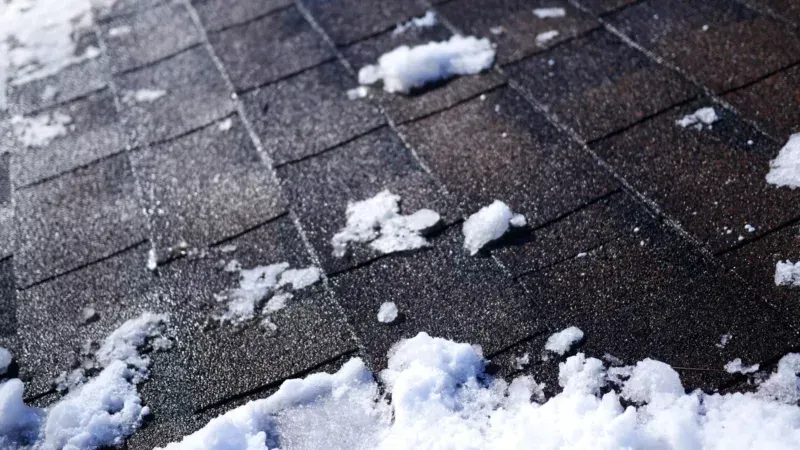
Siding is more than just an exterior covering—it plays a crucial role in protecting a home from the elements, improving energy efficiency, and enhancing its overall appearance. A well-maintained and high-quality siding system ensures a home remains durable, comfortable, and visually appealing for years. Below, we explore six key ways that siding safeguards a home and provides lasting value.
1. Shields Against Harsh Weather Conditions
Protection from Moisture and Water Damage
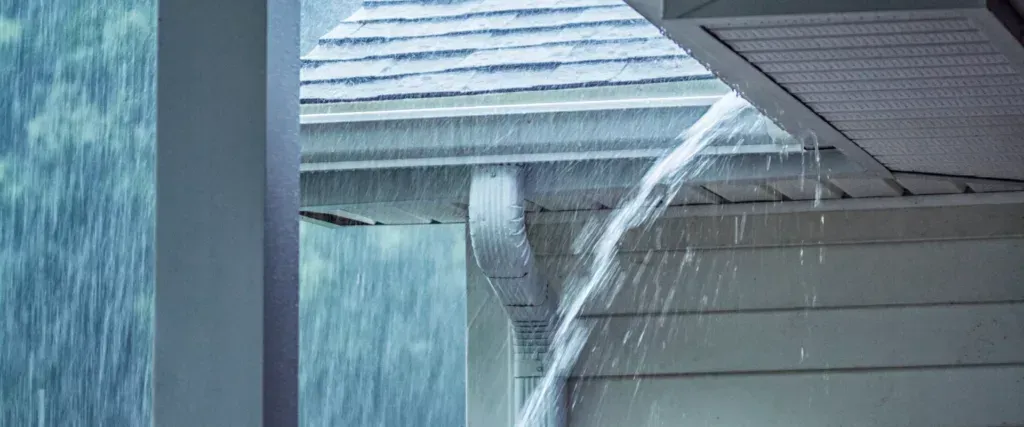
Siding serves as the first line of defense against rain, snow, and humidity, preventing water from seeping into a home’s structure. Without proper siding, moisture can penetrate the walls, leading to:
- Mold and mildew growth, which can cause health issues.
- Wood rot, weakening the structural integrity of a home.
- Foundation damage, caused by prolonged water exposure.
Resisting Wind, Hail, and UV Exposure
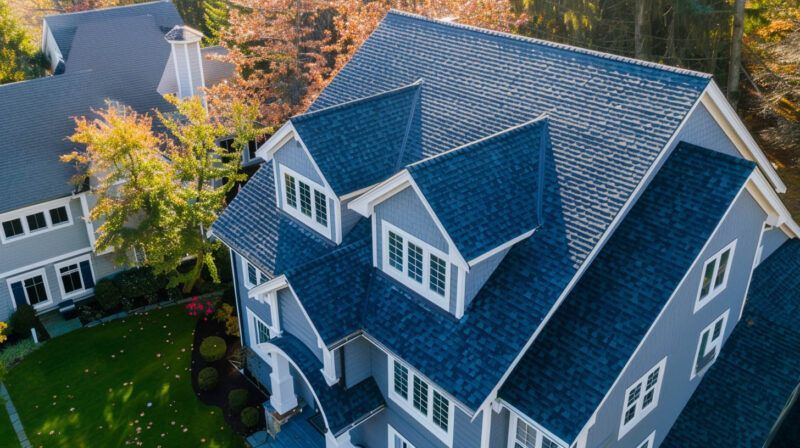
Extreme weather conditions, such as high winds, hail, and intense sunlight, can deteriorate a home’s exterior over time. Durable siding materials, like fiber cement or insulated vinyl, withstand these elements, ensuring longevity and reducing the need for frequent repairs.
Temperature Regulation
Siding acts as a protective barrier against temperature fluctuations, helping a home maintain a stable indoor climate and preventing damage from freeze-thaw cycles that cause cracks and warping.
2. Prevents Pest Infestations
Barrier Against Termites, Ants, and Woodpeckers
Pests, such as termites, carpenter ants, and woodpeckers, can cause extensive damage to wooden siding. Fiber cement and vinyl sidings are resistant to insect infestations, providing superior protection against:
- Structural damage from burrowing insects.
- Holes and nesting sites created by birds and rodents.
- Hidden infestations that lead to costly extermination and repairs.
Seals Entry Points for Mice and Insects
Cracks or gaps in deteriorating siding provide easy access for mice, cockroaches, and other small pests. Properly installed siding seals these vulnerabilities, reducing the risk of infestations that compromise a home’s health and safety.
3. Enhances Curb Appeal and Aesthetic Value
Visually Transforms a Home’s Exterior
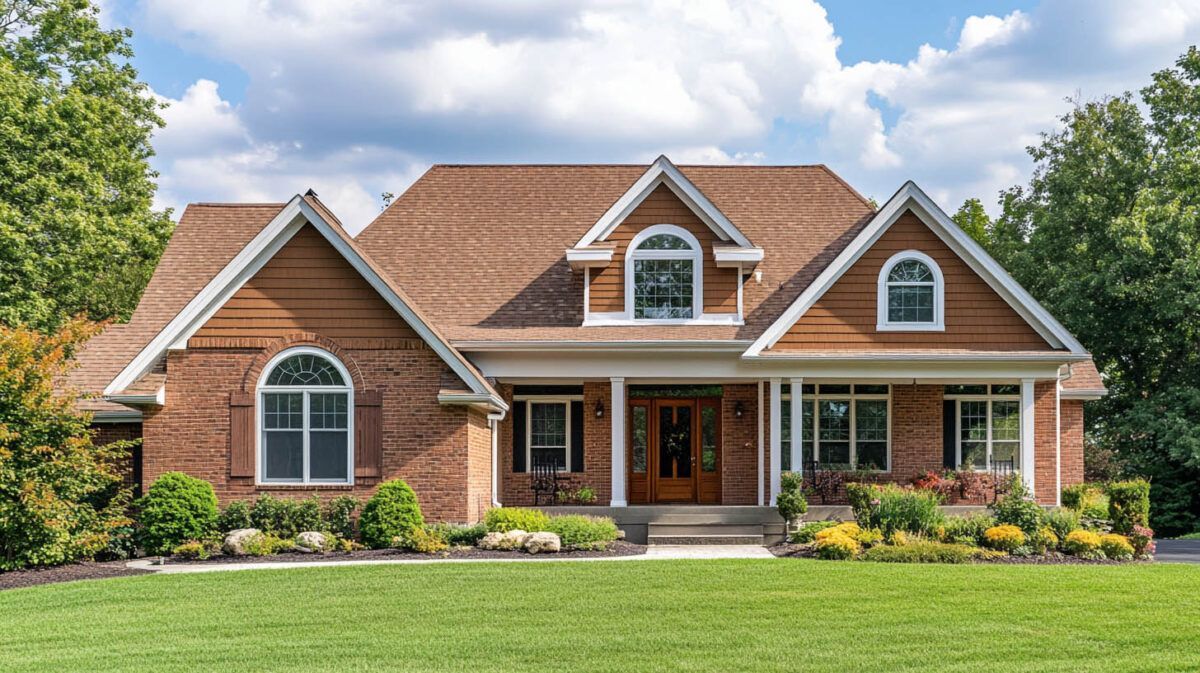
Siding is one of the most noticeable elements of a home’s exterior. A fresh, well-maintained siding system enhances curb appeal, making a property more attractive to guests, neighbors, and potential buyers.
Wide Range of Styles and Colors
Homeowners can choose from a variety of siding materials, textures, and colors to match their architectural style and personal preference:
- Traditional Look – Fiber cement lap siding mimics wood grain while offering superior durability.
- Modern Appeal –
Vertical board and batten siding creates a sleek, contemporary look.
- Rustic Charm – Stone veneer or shingle siding adds character and texture.
Low Maintenance and Fade Resistance
Pre-finished siding options, such as James Hardie’s ColorPlus® Technology, provide fade-resistant coatings, ensuring vibrant colors for 15+ years with minimal maintenance.
4. Increases Home Value and Marketability
High Return on Investment (ROI)
New siding is one of the best home improvement investments, offering an ROI of 80-90%. High-quality siding increases a home’s resale value by:
- Making it more appealing to potential buyers.
- Demonstrating that the home is well-maintained.
- Reducing the need for immediate repairs, making the property move-in ready.
Energy Efficiency and Sustainability
Energy-efficient siding reduces heating and cooling costs, making a home more attractive to buyers seeking eco-friendly and cost-saving features. Modern insulated siding options enhance thermal efficiency, increasing a home’s desirability in competitive markets.
5. Reduces Noise Pollution
Creates a Quieter Indoor Environment
Siding acts as a sound barrier, reducing the impact of outside noise from:
- Traffic and highways
- Construction and landscaping equipment
- Loud neighbors or barking dogs
Insulated Siding for Sound Dampening
Insulated siding with foam backing significantly improves noise reduction, making indoor spaces more peaceful and comfortable, particularly in urban or high-traffic areas.
6. Improves Energy Efficiency and Insulation
Regulates Indoor Temperature
Siding plays a critical role in energy conservation by preventing heat transfer between a home’s interior and exterior. Proper siding reduces energy consumption by:
- Trapping warm air inside during winter.
- Blocking excessive heat during summer.
- Minimizing drafts and cold spots.
Combining Siding with Insulation for Maximum Efficiency
Pairing siding with house wraps, rigid foam insulation, or insulated vinyl enhances thermal resistance (R-value), leading to:
- Lower heating and cooling costs throughout the year.
- Improved indoor comfort by maintaining a consistent temperature.
- Reduced carbon footprint by lowering energy consumption.
Why Choose 180 Contractors Roofing & Siding?
For homeowners seeking durable, energy-efficient siding solutions, 180 Contractors Roofing & Siding, located in Troy, MI, provides expert craftsmanship and top-tier materials. We hold industry-leading certifications, including BBB A+ accreditation, Guildmaster (GuildQuality), INC 5000, Google Guaranteed, and Qualified Remodeler Top 100 Satisfaction. Partnering with premium brands like James Hardie, Alside, and Everlast, we ensure long-lasting, beautiful siding installations tailored to each home’s needs.
Frequently Asked Questions (FAQs)
1. How often should siding be replaced?
The lifespan of siding depends on the material:
- Vinyl:
20–30 years
- Fiber Cement:
50+ years
- Wood:
15–25 years with regular maintenance
- Aluminum:
30–40 years
2. What is the most durable siding option?
Fiber cement siding offers superior durability, resisting moisture, fire, pests, and extreme weather conditions.
3. Can new siding improve energy efficiency?
Yes, insulated siding and properly installed fiber cement siding enhance thermal performance, reducing heating and cooling costs.
4. How does siding protect against mold and mildew?
Water-resistant siding prevents moisture penetration, reducing the risk of mold, mildew, and rot within the home’s walls.
5. What siding requires the least maintenance?
Fiber cement and vinyl siding require the least maintenance, needing only occasional cleaning and minimal upkeep compared to wood.
Conclusion
Siding is an essential component of a home’s defense system, providing protection against weather damage, pests, energy loss, and noise pollution. Choosing high-quality, properly installed siding ensures long-term durability, increased property value, and enhanced curb appeal. Investing in professional installation guarantees a secure, energy-efficient, and visually stunning home exterior for years to come.
Read also our blog:
Choosing the Right Color and Style for Your Fiber Cement Siding