Selecting the perfect color and style for fiber cement siding enhances a home’s curb appeal, complements its architectural character, and increases its overall value. With a wide range of color palettes and design options available, homeowners can customize their exterior to reflect their unique vision. Understanding how to balance color tones, architectural features, and environmental factors ensures a long-lasting and visually appealing result.
1. Understanding Color Psychology for Siding
Neutral and Earthy Tones
Neutral colors such as beige, taupe, and warm brown create a timeless and sophisticated look. These shades blend well with natural elements like stone and wood, making them ideal for homes in wooded or suburban settings. Popular fiber cement siding options include:
- Cobble Stone – A warm, soft beige that pairs well with white or dark brown trim.
- Monterey Taupe –
A mid-tone neutral that complements both traditional and modern homes.
Crisp Whites and Soft Grays
For a classic, elegant aesthetic, white, off-white, and light gray shades provide a clean, crisp appearance. These hues are commonly used in Colonial, Cape Cod, and modern minimalist homes. Recommended options include:
- Pearl Gray – A subtle, refined tone that enhances contemporary designs.
- Light Mist – A soft gray with hints of blue, perfect for a calm, coastal look.
Bold and Dark Colors
Darker shades create a striking, modern look that adds depth and contrast. Deep browns, charcoal grays, and black shades are increasingly popular in urban and contemporary settings. Recommended shades:
- Timber Bark – A rich gray-brown that pairs well with lighter trim.
- Iron Gray – A bold, deep charcoal that creates a modern and dramatic effect.
Warm Reds and Vibrant Yellows
For a farmhouse or Craftsman-style home, warm reds and golden yellows evoke a welcoming and cheerful atmosphere. These colors are ideal for homes with rustic or vintage architectural elements. Popular options include:
- Countrylane Red –
A deep, earthy red reminiscent of barn-style homes.
- Golden Tones – Warm shades that enhance traditional and cottage-style homes.
Cool Blues and Refreshing Greens
Blue and green hues offer a soothing, nature-inspired feel. These colors work well on homes near coastal regions or in areas with lush landscaping. Ideal shades include:
- Boothbay Blue – A soft, muted blue that adds a calming touch.
- Mountain Sage –
A subtle, earthy green that blends well with natural surroundings.
2. Choosing the Right Siding Style
Traditional Horizontal Lap Siding
Horizontal lap siding is the most common and versatile option, suitable for various architectural styles, including Colonial, Ranch, and Craftsman homes. Fiber cement lap siding provides the look of wood while offering superior durability and moisture resistance.
Vertical Panel Siding (Board and Batten)
For a modern or farmhouse aesthetic, vertical fiber cement panels create a bold, streamlined appearance. Board and batten siding enhances height and adds depth, making it an excellent choice for contemporary and rustic homes.
Shingle and Shake Siding
Mimicking the look of cedar shakes, fiber cement shingle siding adds texture and character. This option is popular for Cape Cod, Victorian, and coastal homes. Fiber cement shingles provide the charm of traditional wood shakes without the risk of warping or insect damage.
Artisan Siding for a Luxury Finish
For homeowners seeking a high-end, custom look, Artisan fiber cement siding offers thicker boards with precise, deep shadow lines. This premium option enhances architectural features and adds a luxurious touch to traditional and modern homes.
3. Factors to Consider When Selecting Siding Colors
Roof and Trim Coordination
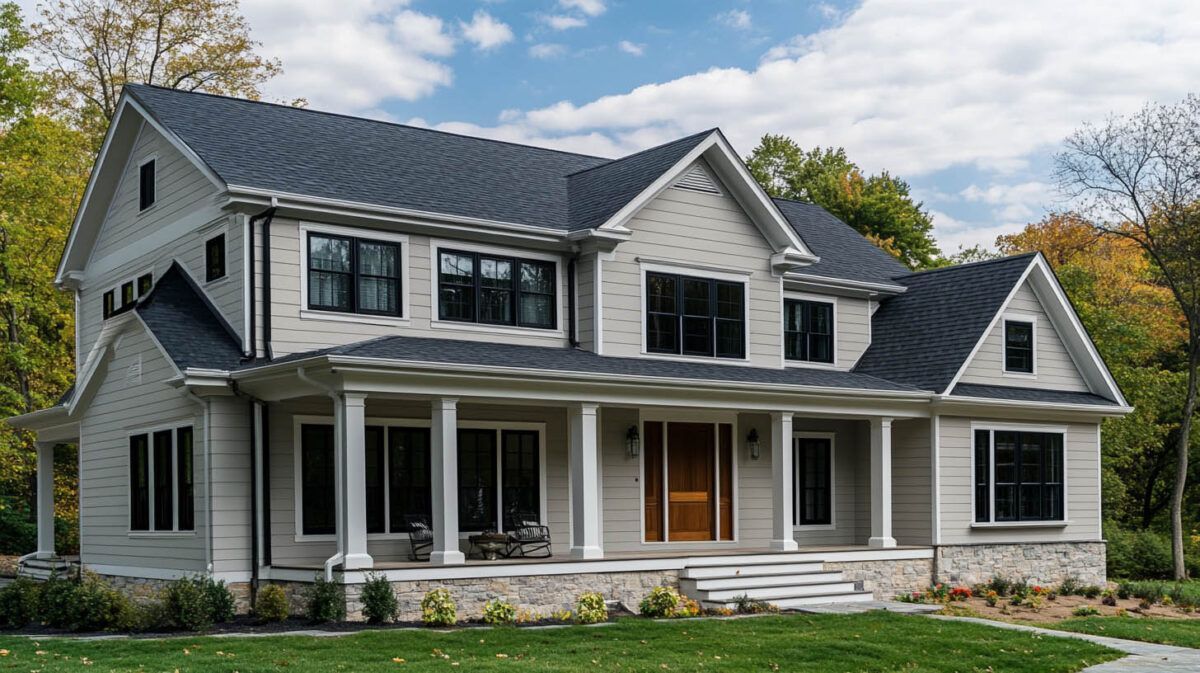
Siding should complement the color of the roof and trim to create a cohesive exterior design.
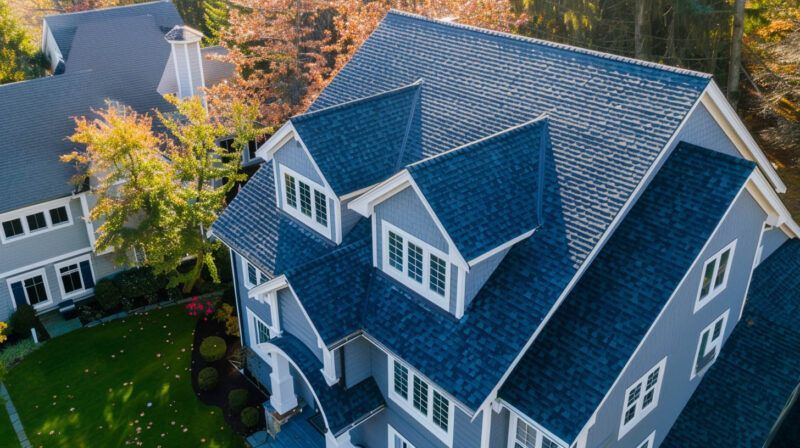
- Dark roofs pair well with light and neutral siding colors.
- Light-colored roofs provide contrast for deep, bold siding tones.
- Contrasting trim enhances architectural details and adds definition.
Climate and Sun Exposure
Color performance varies depending on sunlight and weather conditions. In areas with high UV exposure, lighter shades resist fading better than dark hues. Homes in colder climates benefit from warmer tones that create a welcoming atmosphere.
Neighborhood Aesthetics
While personal preference is important, siding should harmonize with surrounding homes to maintain property value. In historic districts, traditional hues like white, gray, and beige may be required to preserve neighborhood character.
4. Long-Lasting Color with Pre-Finished Fiber Cement Siding
James Hardie ColorPlus® Technology
Fiber cement siding is available in pre-finished colors that resist fading, chipping, and peeling. James Hardie’s ColorPlus® Technology ensures long-lasting vibrancy with baked-on finishes that provide 15 years of fade resistance. Benefits include:
- Consistent color application in a controlled factory setting.
- Resistant to UV damage and extreme weather conditions.
- Reduces maintenance and eliminates frequent repainting.
Custom Paintable Fiber Cement Options
For homeowners seeking full customization, fiber cement siding can be primed and painted in any desired color. Professional painting ensures proper adhesion and long-term performance.
Why Choose 180 Contractors Roofing & Siding?
For expert fiber cement siding installation, 180 Contractors Roofing & Siding, located in Waterford, MI, provides high-quality craftsmanship and superior materials. Our industry certifications include BBB A+ accreditation, Guildmaster (GuildQuality), INC 5000, Google Guaranteed, and Qualified Remodeler Top 100 Satisfaction. We partner with leading brands such as James Hardie, Alside, and Everlast, ensuring long-lasting siding solutions tailored to your home’s style.
Frequently Asked Questions (FAQs)
1. What is the best color for fiber cement siding?
The best color depends on personal preference, architectural style, and climate. Neutral tones offer timeless appeal, while bold colors create a dramatic, modern effect.
2. Can fiber cement siding be repainted?
Yes, fiber cement siding can be repainted, especially if it is pre-primed rather than pre-finished. Factory-applied ColorPlus® finishes last up to 15 years before requiring repainting.
3. What siding style works best for a modern home?
Vertical board and batten siding or smooth fiber cement panels enhance modern and contemporary designs by creating clean, crisp lines.
4. How do I match siding color with my home’s exterior features?
Consider roof color, trim, landscaping, and architectural elements to select a complementary siding shade. Lighter siding works well with dark roofs, while contrasting trim adds definition.
5. Is fiber cement siding better than vinyl for color retention?
Yes, fiber cement siding holds color longer than vinyl, especially when pre-finished with ColorPlus® Technology, which resists fading and requires less maintenance.
Conclusion
Choosing the right color and style for fiber cement siding enhances a home’s aesthetic appeal and long-term durability. Homeowners can achieve a customized, visually striking exterior by selecting pre-finished fiber cement siding, coordinating colors with exterior elements, and considering architectural style. Investing in high-quality installation ensures a lasting, low-maintenance solution that retains its beauty for decades.
Read also our blog:
Fiber Cement vs. Aluminum Siding: A Detailed Comparison