Taking care of your home’s roof is one of the most important responsibilities of homeownership. While full roof replacements or structural work should always be left to professionals, there are some minor roofing tasks that confident DIYers can safely and effectively handle. If you live in Bloomfield Hills, MI, where changing weather can quickly expose small issues, knowing how to tackle basic roof repairs can prevent costly damage and extend the life of your roof.
At
180 Contractors Roofing & Siding, we often work with homeowners who attempt small fixes themselves but aren’t sure where to begin. This beginner’s guide will walk you through the essentials of DIY roof repairs—what you can reasonably take on, what to leave to professionals, and how to keep your home protected in the process.
Know Your Roof’s Materials
Before you climb a ladder, it’s crucial to understand the type of roofing material you’re working with. In Bloomfield Hills, many homes use:
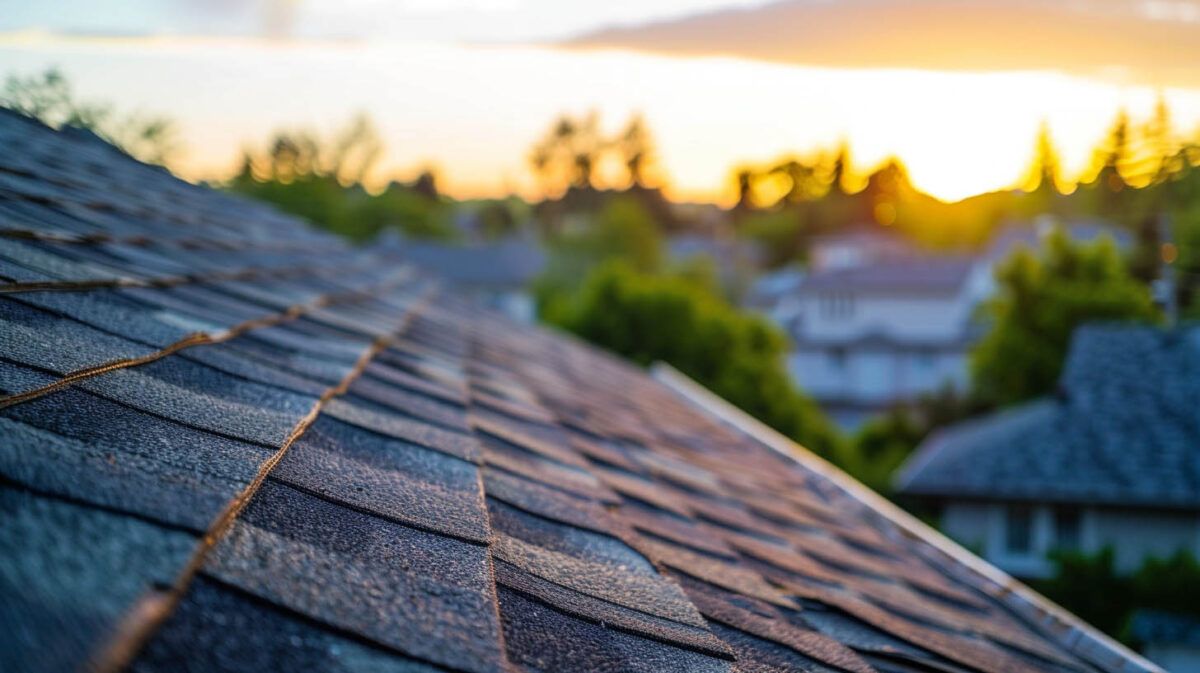
- Asphalt shingles:
The most common roofing material, affordable and relatively easy to repair.
- Metal roofing:
Durable and long-lasting, but requires specialized tools and techniques.
- Wood shakes or shingles:
Visually appealing but more susceptible to rot and insect damage.
- Flat roofs with rubber membranes:
Typically found on additions or garages, requiring different sealing methods.
Knowing your roof type will guide your repair approach and ensure you use the correct tools and materials.
What DIY Repairs Are Reasonably Safe?
Not all roofing tasks are suitable for DIY, especially anything involving significant structural damage, steep pitches, or full replacement. However, many homeowners can safely perform the following:
1. Replacing a Few Missing Shingles
If a storm has dislodged a shingle or two, you can replace them using roofing nails, a pry bar, and fresh shingles that match your current roof. Be sure to remove the damaged shingle completely, slip the new one under the existing row, and nail it down securely.
2. Sealing Small Roof Leaks
For small leaks, especially around flashing or vents, roofing sealant or a patch kit can work as a short-term solution. These are especially useful in emergency situations while you wait for a professional repair.
3. Cleaning Debris and Moss
Gently sweeping or rinsing away debris, moss, or algae can help prolong your roof’s health. Avoid power washing, which can damage shingles, and opt for a soft-bristle broom or garden hose.
4. Repairing Flashing or Caulking
If you notice gaps around chimneys or vent pipes, applying roofing caulk can stop leaks before they spread. Be sure to clean and dry the area before application.
Safety First: What You Should NEVER Do
Even minor roofing tasks come with risks. Before taking on any DIY roof work, remember:
- Use a stable ladder and secure it to the ground
- Wear rubber-soled shoes for grip
- Never work alone—always have someone nearby
- Avoid steep slopes or roofs over two stories
- Do not attempt repairs in bad weather or on wet surfaces
If you feel uneasy at any point, stop immediately. The cost of a roofing repair is never worth a fall or injury.
When to Call the Pros
Some roofing issues require immediate professional attention:
- Widespread shingle damage or curling
- Sagging roof lines
- Structural concerns or rotted decking
- Persistent leaks despite patching
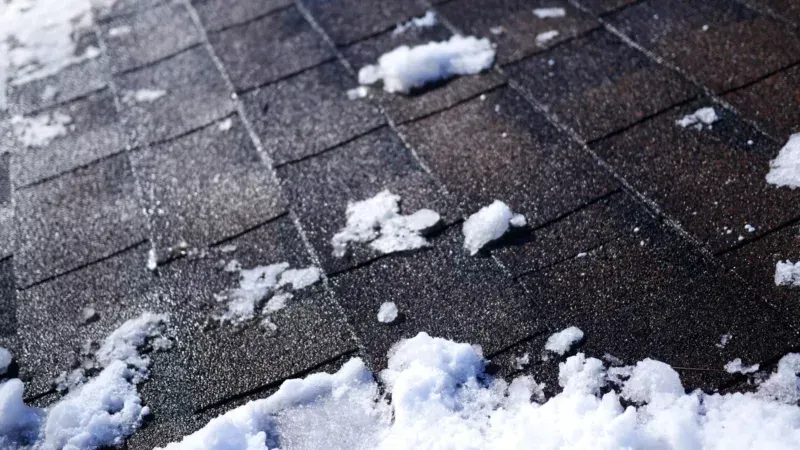
- Ice dam buildup or ventilation problems
DIY repairs should only serve as stopgaps or maintenance—not long-term solutions to major issues. Partnering with a licensed, insured roofing company ensures the work meets building codes and warranty requirements.
Tools Every DIY Roofer Should Have
If you’re planning to handle small roof fixes yourself, invest in a few essentials:
- Sturdy extension ladder
- Pry bar and hammer
- Roofing nails and roofing cement
- Caulk gun and waterproof sealant
- Utility knife
- Replacement shingles
- Safety harness (for added protection)
Having the right tools on hand makes all the difference in safety, speed, and success.
The Weather Factor in Bloomfield Hills
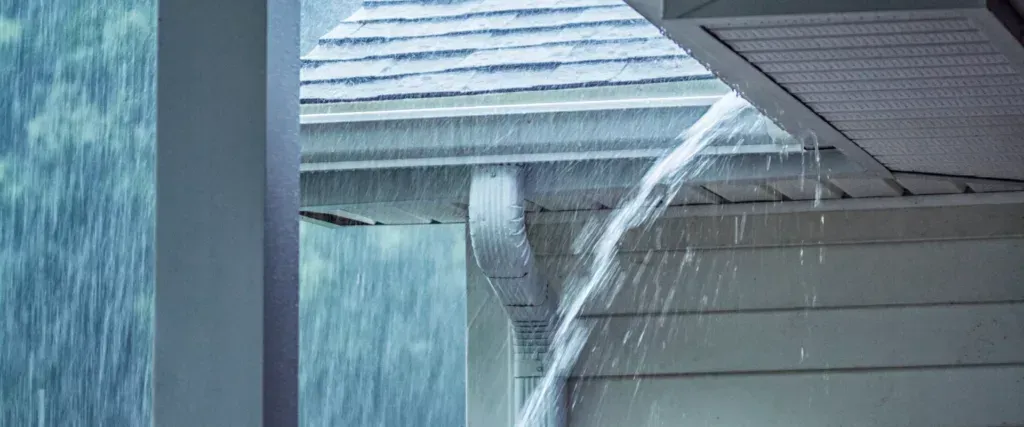
In Bloomfield Hills, MI, seasonal changes can accelerate roof wear and tear. Freeze-thaw cycles, heavy snow loads, wind gusts, and spring rains can all expose vulnerabilities. That’s why it’s smart to inspect your roof regularly—particularly after storms—and address issues early.
Fall and spring are the best times for DIY inspections and light repairs, as the weather is milder and materials are easier to work with.
A Word About Warranties
If your roof is under warranty—especially from a major brand like Owens Corning—always read the fine print. DIY repairs may void certain warranties, especially if they’re done incorrectly or with non-approved materials. When in doubt, consult a contractor to preserve your coverage.
DIY With Confidence, Backed by Local Experts
Tackling your own roof repairs can be empowering—and cost-effective—if done safely and correctly. But when the project becomes too large or complicated, it’s important to bring in experienced professionals who can do the job right.
In Bloomfield Hills, 180 Contractors Roofing & Siding is proud to offer expert inspections, professional repairs, and full roofing replacements tailored to Michigan homes. With our BBB A+ rating, Guildmaster award, and Owens Corning Preferred Contractor designation, we provide peace of mind that your roof is in the best hands.
Read also our blog:
Roofing Mistakes and How to Avoid Them