Your roof works silently, shielding your home from wind, rain, hail, and harsh sunlight year-round. But over time, even the strongest roofs begin to show their age. In Troy, MI, where seasonal storms and extreme temperature shifts are common, shingles endure a constant beating—and eventually, they wear out. The key to avoiding costly repairs or water damage? Knowing how to recognize the early signs of wear and tear.
At
180 Contractors Roofing & Siding, we’ve inspected and replaced thousands of roofs across Michigan. One thing we always tell homeowners: stay ahead of the damage by learning what your shingles are trying to tell you. In this blog, we’ll highlight the three most common warning signs of shingle deterioration—and what to do next.
1. Curling, Cracking, or Buckling Shingles
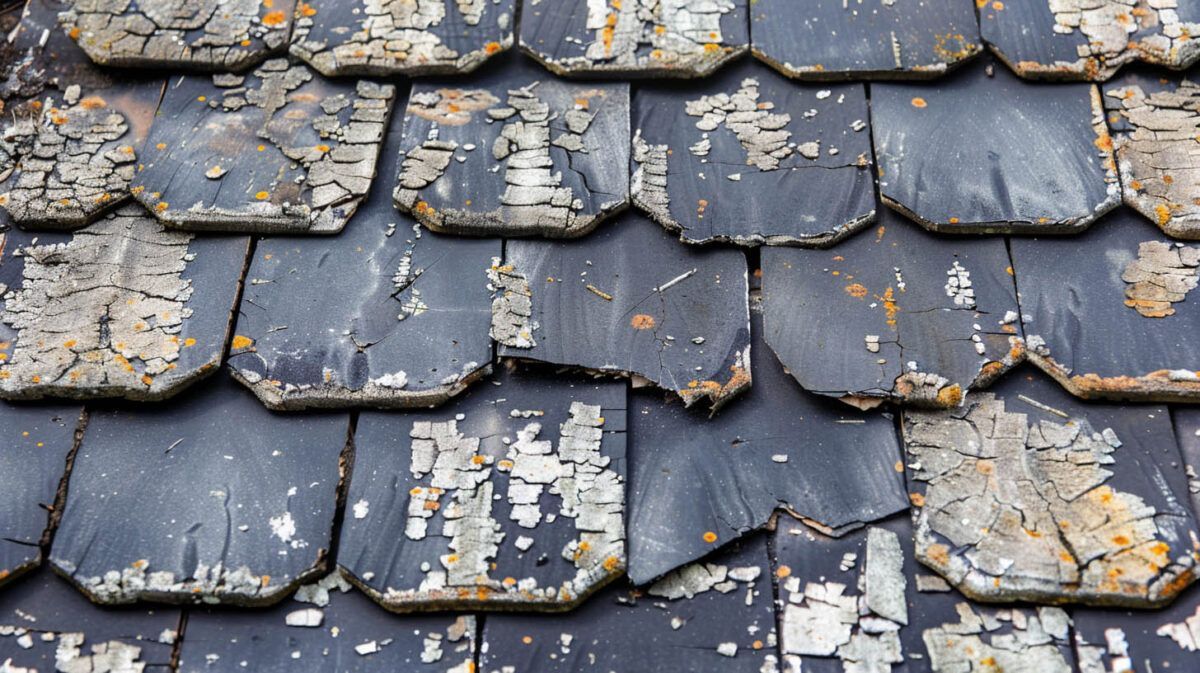
Shingles are designed to lie flat and create a watertight barrier across your roof. When you see shingles that are curling up at the edges, cracking in the middle, or buckling in waves, it’s a clear signal that your roof is starting to fail.
These issues are typically caused by:
- Age and weathering
- Improper ventilation in the attic
- Repeated freeze-thaw cycles
- Inferior roofing materials or installation
Once shingles lose their shape, they can no longer protect your home effectively. Water can seep underneath, leading to roof leaks, rot, and mold in the attic.
If your shingles are visibly misshapen or brittle, it’s time to call in a professional for a full roof assessment.
2. Granule Loss and Bare Spots
Asphalt shingles are coated with protective granules that shield your roof from UV rays and weather damage. Over time, storms and sun exposure loosen these granules, which often end up in your gutters or at the base of your downspouts.
Signs of excessive granule loss include:
- Shiny or bare patches on the shingles
- Dark streaks or discoloration
- Loose granules collecting around your home
Without these granules, your shingles become more vulnerable to sun damage, heat absorption, and premature aging. If you spot large amounts of granules in your gutters or notice uneven coloration on your roof, it’s a good indication that your shingles are nearing the end of their lifespan.
3. Missing or Dislodged Shingles After a Storm
In Troy, heavy winds, rain, and hailstorms are a frequent part of the seasonal weather cycle. If your roof is missing shingles—or if shingles appear to be loose or sliding out of place—it’s a clear red flag.
Even a single missing shingle can expose the underlayment and roof deck to moisture, leading to costly repairs if not addressed quickly. After any major storm, we recommend a visual inspection of your roof from the ground and a professional follow-up if anything seems off.
If you’re seeing lifted shingles or irregular patterns, it’s time to schedule a roof inspection.
What Causes Shingle Wear in Michigan?
Michigan’s climate is particularly tough on roofing materials. The main contributors to wear and tear include:
- Ice dams and snow accumulation in winter
- UV degradation during hot summers
- Hail impact during spring and fall storms
- Poor ventilation or moisture buildup in the attic
Even high-quality shingles have a shelf life. If your roof is 15–20 years old, you should expect to see signs of wear, even if there haven’t been any leaks yet.
Why You Shouldn’t Wait to Address These Signs
Shingle damage doesn’t repair itself—it only gets worse. Left unchecked, worn shingles can allow water to penetrate your roof system, leading to:
- Attic mold and insulation damage
- Ceiling leaks and wall stains
- Wood rot and structural compromise
- Increased energy bills due to poor insulation
Acting quickly can save you thousands in repair costs—and help extend the life of your roofing system.
Schedule an Inspection Before It’s Too Late
The best way to protect your home is with regular roof inspections. At 180 Contractors Roofing & Siding, we offer comprehensive evaluations tailored for Michigan homes. We use advanced tools and years of local experience to detect early signs of damage and recommend the best course of action.
And when it’s time for a roof replacement, we rely on premium products from Owens Corning, a trusted brand known for high-performance, weather-resistant roofing systems.
Final Thoughts: Stay Ahead of Shingle Wear
Your shingles are the first defense against water, wind, and time—and they’ll tell you when they’re starting to fail. Don’t ignore the warning signs. By spotting curling, granule loss, or missing shingles early, you can make timely repairs or schedule a replacement before bigger problems develop.
Let the trusted professionals at 180 Contractors Roofing & Siding help you assess your roof’s condition and create a plan that keeps your home protected.
Read also our blog:
Michigan Hail Storm Support: How Absolute Roofing Assists